BUSINESS
UPI Payment Rules Every Indian Should Know: How to Avoid Failed Transactions, Fraud and Refund Delays
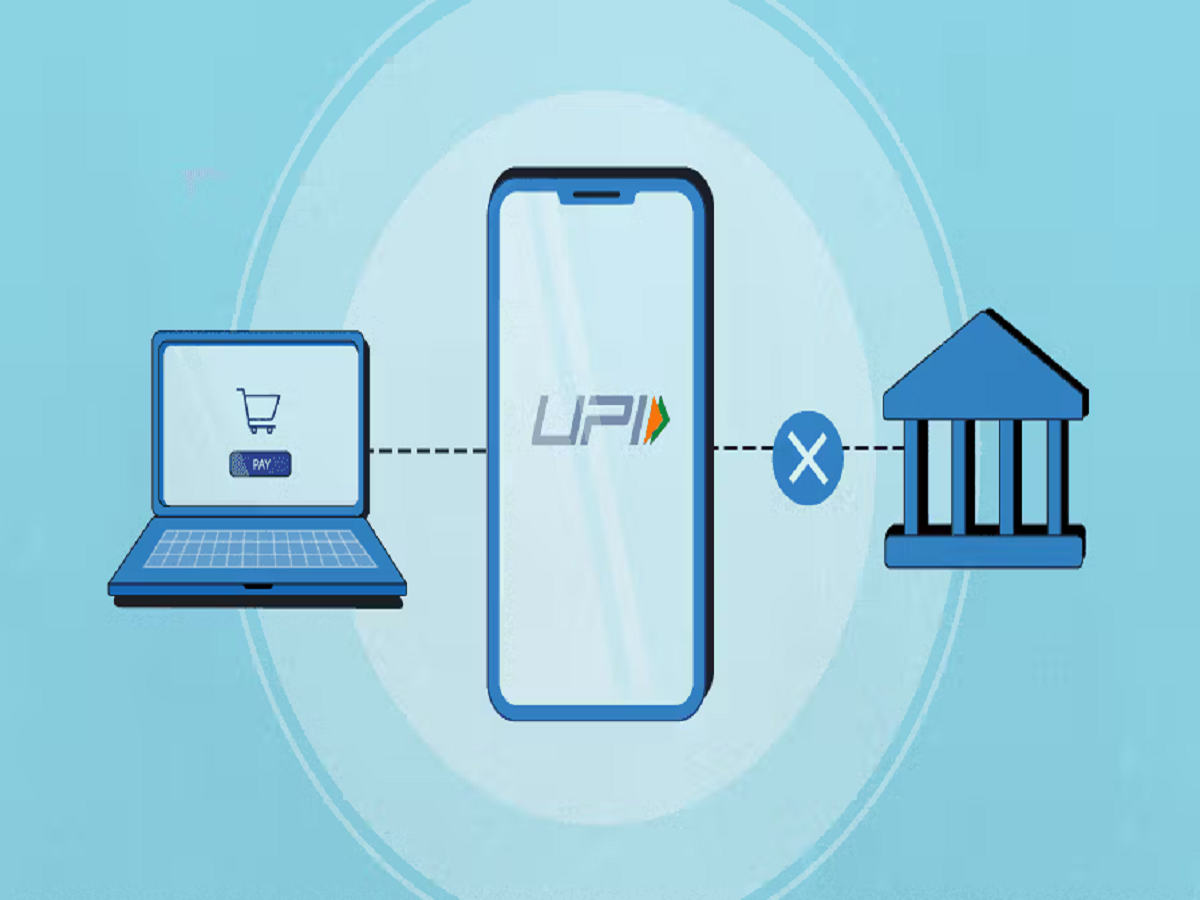
From buying groceries and paying electricity bills to splitting restaurant expenses with friends, Unified Payments Interface (UPI) has become a regular part of everyday life in India. Millions of people use UPI to transfer money instantly without needing cash or remembering bank account details.
However, failed payments, mistaken transfers and digital fraud can still create problems. Knowing how UPI transactions work and what to do when something goes wrong can help users protect their money and resolve payment issues more efficiently.
What Is UPI?
Unified Payments Interface is an instant payment system that allows users to transfer money between participating bank accounts through supported applications.
Users can generally make payments using a UPI ID, a linked mobile number where supported, a QR code or the recipient's bank details through the available payment options.
UPI is operated by the National Payments Corporation of India (NPCI) under the regulatory framework of the Reserve Bank of India.
Its convenience comes from the ability to make payments without entering bank account details for every transaction.
1. What Should You Do If Money Is Deducted but the Payment Fails?
One of the most common payment problems occurs when the sender's account is debited but the recipient does not receive the money.
This may happen because of temporary network issues, delays in bank processing or technical problems.
If this happens, follow these steps:
-
Check the transaction status in your payment application.
-
Avoid immediately repeating the payment if the original transaction is still being processed.
-
Save the transaction ID or reference number.
-
Check your bank statement to see whether the amount has been reversed.
-
Raise a complaint through the application or your bank if the issue remains unresolved.
Reversal timelines depend on the type of transaction and the applicable rules. If a failed UPI fund transfer is not credited back within the prescribed timeline, compensation provisions may apply under RBI's failed-transaction framework.
2. Can You Get Your Money Back After Sending It to the Wrong Person?
A completed UPI payment is generally difficult to reverse automatically because the transaction has already been authorised and processed.
If you accidentally send money to the wrong UPI ID, contact your bank and payment application immediately. Provide the transaction reference number and explain what happened.
You can also raise a complaint through the appropriate UPI grievance process.
However, a refund is not guaranteed simply because the sender made a mistake. Recovery may depend on the circumstances, the recipient's cooperation and the applicable banking procedures.
Always verify the recipient's name and payment details before entering your UPI PIN.
3. Never Enter Your UPI PIN to Receive Money
This is one of the most important digital-payment safety rules.
A UPI PIN is used to authorise certain transactions, including payments and transfers. You do not normally need to enter your UPI PIN merely to receive money into your bank account.
Fraudsters may pretend to be buyers, sellers, customer-care representatives or officials and ask victims to enter their PIN to receive a refund or payment.
Do not follow such instructions. If a transaction requires you to approve a payment, read the request carefully before proceeding.
4. Understand the Difference Between a UPI ID and a QR Code
A UPI ID identifies a payment address associated with a user's bank account. A QR code can contain payment information that allows an application to initiate a transaction.
Scanning a QR code does not automatically mean money will be received. Depending on the details encoded in the QR code, the action may instead prepare a payment to the displayed recipient.
Before approving a transaction, check the recipient's name and the amount shown on the screen.
Never approve a payment request merely because someone claims that scanning a code is necessary to receive money.
5. What Are the UPI Transaction Limits?
UPI transaction limits depend on the type of transaction, the participating bank, the payment application and the applicable NPCI and RBI rules.
There is no single limit that applies identically to every UPI payment.
Certain categories, including specified tax payments and some healthcare, education or other eligible merchant transactions, may have higher permitted limits under applicable rules.
Banks and applications may also impose their own limits within the permitted framework.
If a large payment is being rejected, check your bank's current UPI limits and whether the transaction category qualifies for a higher limit. Do not assume that a higher limit applies to ordinary person-to-person transfers.
6. How to Protect Yourself From UPI Fraud
Digital-payment fraud often relies on tricking users into approving transactions or sharing confidential information.
Follow these precautions:
-
Never share your UPI PIN, OTP or banking password.
-
Do not install remote-access applications at the request of unknown callers.
-
Verify payment requests before approving them.
-
Avoid using customer-care numbers found in random social media posts or comments.
-
Use official applications and keep them updated.
-
Enable bank transaction alerts and review your account regularly.
If you suspect fraud, contact your bank immediately and report the incident through India's cybercrime reporting channels. For financial cyber fraud, the national helpline number is 1930.
Reporting quickly may improve the chances of timely intervention, although recovery is not guaranteed.
7. What If Your UPI Account Is Blocked or Payments Keep Failing?
Repeated failures can result from incorrect PIN entries, bank-side restrictions, technical problems or application issues.
First, check whether your bank's services are functioning normally. Then verify that your application is updated and your account remains properly linked.
If you have forgotten your UPI PIN, use the official reset process provided by your payment application or bank.
Never disclose your PIN or account credentials to someone claiming they can unblock your UPI account.
If the issue continues, contact the bank or authorised payment-service provider through its official support channel.
8. How to Raise a Complaint About a UPI Transaction
If a payment fails or you notice an unauthorised transaction, do not ignore it.
Start by opening the transaction in your payment application and using the available complaint option. If the issue is not resolved, escalate it to your bank and follow the prescribed grievance process.
Keep the transaction reference number, date, amount and any relevant screenshots.
For eligible unresolved complaints involving regulated payment systems, the RBI's Integrated Ombudsman Scheme may provide an additional escalation route after the required complaint process has been followed.
Conclusion
UPI has made digital payments fast and convenient, but users still need to understand the basic rules of safe transactions.
Check the recipient before paying, never share your UPI PIN, and do not assume that every failed transaction requires an immediate second payment. If something goes wrong, keep the transaction reference and use official complaint channels.
A few simple precautions can help protect your money and make everyday digital payments safer and less stressful.