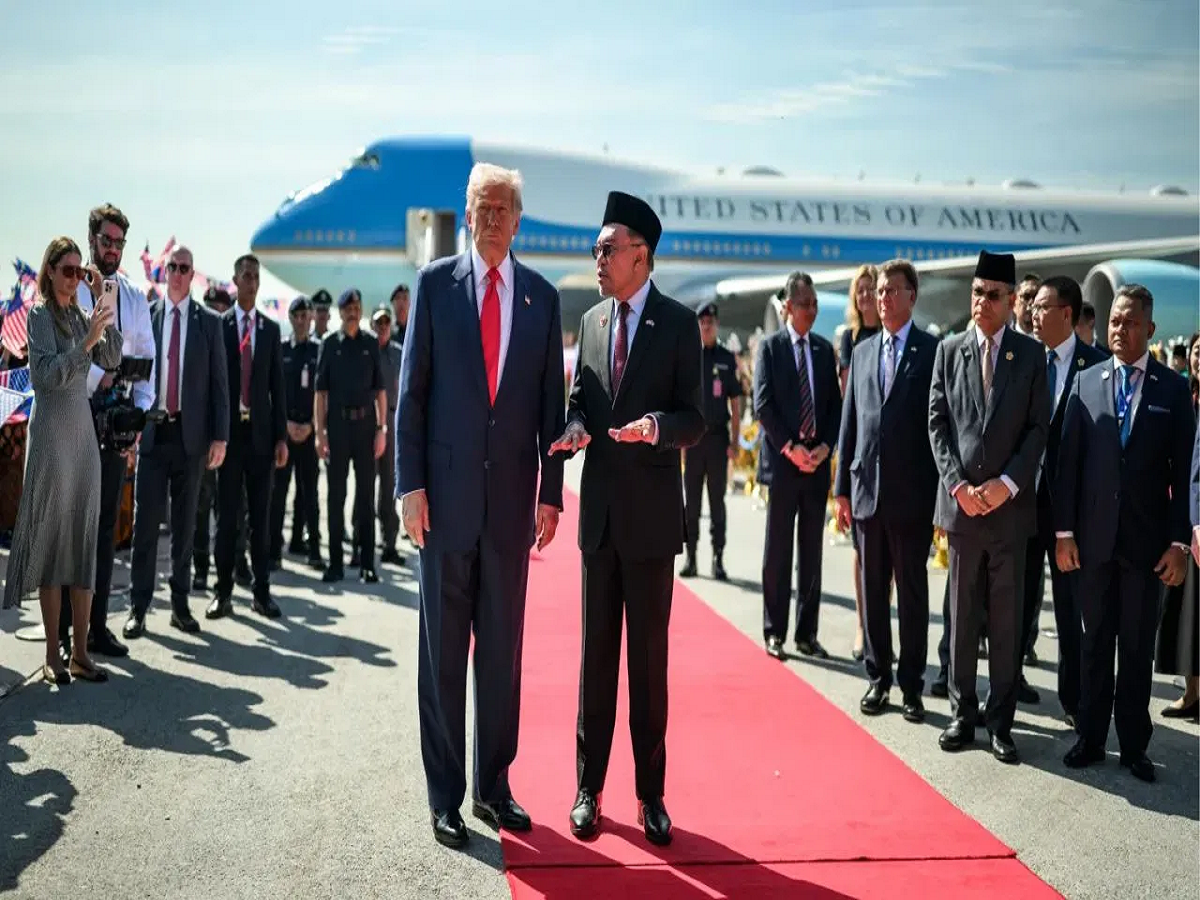
Amid rising geopolitical tensions and growing demand for critical minerals, the United States is reportedly shifting its focus to Malaysia as a new source of rare earth materials—traditionally dominated by China.
Why Rare Earths Matter
Rare earth elements are essential for advanced technologies, including missiles, radar systems, electronics, and renewable energy components. With increasing defense and tech needs, the U.S. is looking to secure more stable and diversified supply chains.
Malaysia Emerges as a Key Alternative
Recent discoveries of significant rare earth deposits in Malaysia—particularly near Kuantan—have positioned the country as a potential new player in the global supply chain.
Reports suggest:
- Large reserves of non-radioactive rare earth elements have been identified
- Around 270,000 tons of resources are confirmed across multiple regions
- Estimates indicate potential reserves of up to 1.5–2 million tons
Malaysia is also working with an Australian firm to boost extraction and processing capabilities.
Billion-Dollar Strategic Deal
According to reports, the Pentagon has initiated a deal worth nearly $1 billion with Malaysia. The funding is expected to support:
- Mining and extraction infrastructure
- Processing facilities
- Expansion of supply capacity
This move signals a long-term strategic shift by the U.S. to reduce reliance on China, which currently controls a major share of global rare earth supply.
Reducing China’s Dominance
China supplies nearly 90% of the world’s rare earth materials, giving it significant leverage in global markets. By partnering with Malaysia, the U.S. aims to:
- Diversify sourcing
- Strengthen supply chain security
- Support alternative producers in Asia
What It Means Going Forward
The U.S.–Malaysia collaboration could reshape the rare earth market if it scales successfully. While China remains dominant for now, emerging players like Malaysia may gradually reduce that dependency—especially as global demand continues to rise.