LIFESTYLE
Warm Water After Delivery, Covering the Head: How Accurate Is Grandmothers’ Advice? Doctors Explain
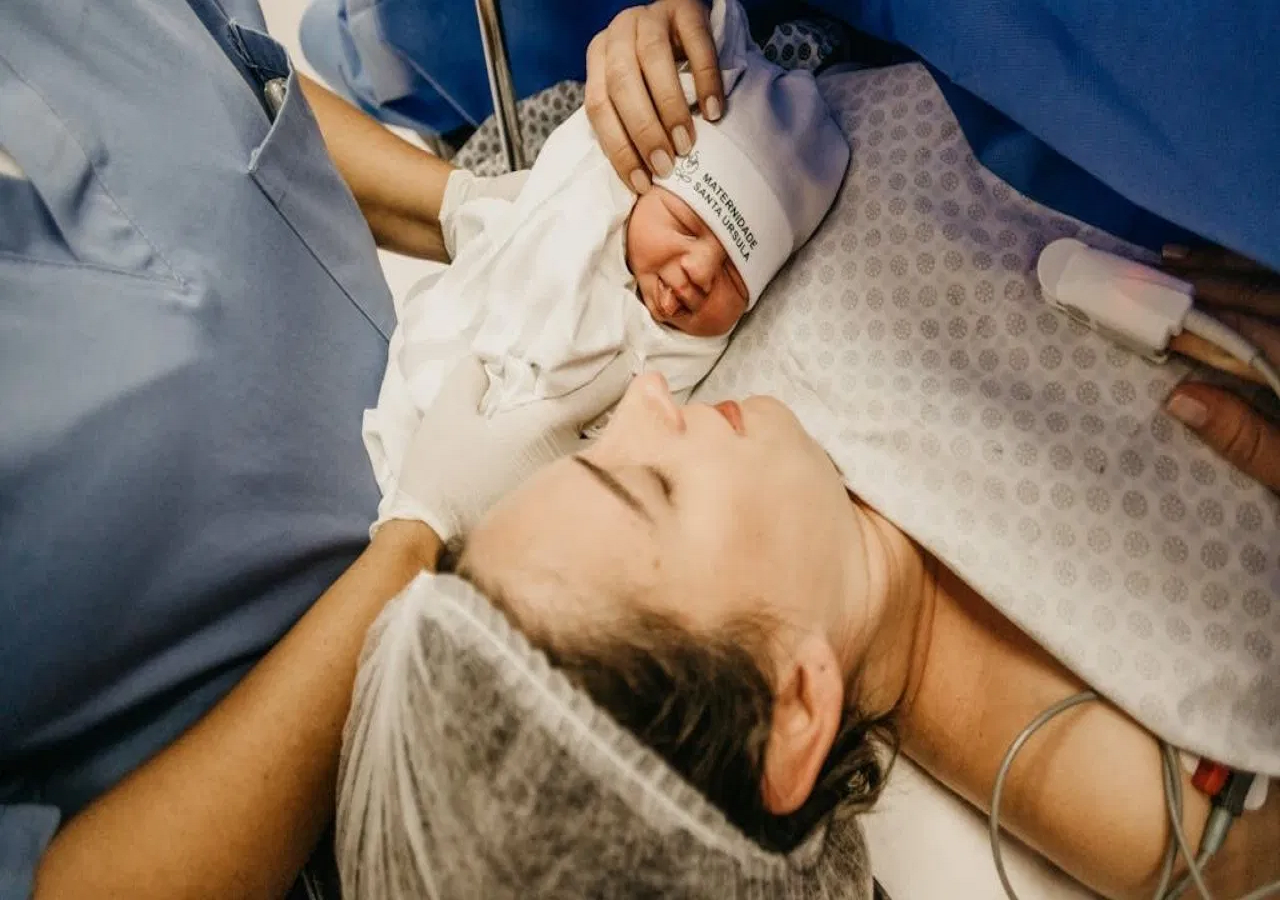
After childbirth, a woman’s body goes through major physical and hormonal changes. Processes like uterine contraction, postpartum bleeding (lochia), hormonal fluctuations, and physical exhaustion take several weeks to stabilise. If proper physical and mental care is not taken during this period, long-term health problems may arise.
Traditionally, grandmothers have advised new mothers to drink warm water, keep their head covered, avoid cold floors, and follow special postpartum diets. While many people today consider these practices outdated, doctors say some of this traditional wisdom does have scientific value—when followed sensibly.
We spoke to Dr DK Gupta, Chairman and Managing Director of Felix Hospital, to understand what holds true and what needs modification.
Why avoiding cold matters after delivery
According to Dr Gupta, protecting the body from cold after delivery is important. The body remains weak, immunity is lowered, and sudden exposure to cold can lead to joint pain, muscle stiffness, and infections.
-
Avoid walking barefoot on cold floors
-
Keep the body comfortably warm
-
Drink lukewarm water, not very hot water
Warm water helps digestion and circulation, but excessively hot water can cause dehydration and discomfort.
Should women really keep their head covered?
Grandmothers often insist that women keep their head covered after delivery. Doctors say this advice is partially correct.
-
Covering the head after bathing or when going outside in cold weather helps prevent colds
-
However, keeping the head covered all the time is not medically necessary
-
There is no scientific evidence that constant head covering improves recovery
Comfort and environmental conditions should guide this practice—not rigid rules.
Can fans or AC be used after delivery?
Traditionally, fans and air conditioners were avoided to protect the mother from cold air. Doctors now clarify that this belief is outdated.
-
Fans and AC can be used safely
-
Ideal room temperature should be maintained at 27–28°C
-
Extreme heat or extreme cold should be avoided
Good ventilation is essential for both the mother and the newborn.
Diet after delivery: balance is key
Postpartum nutrition is crucial, but excess is harmful. Dr Gupta advises:
-
Eat nutritious and easily digestible foods
-
Avoid overly oily, spicy, or very high-calorie foods
-
Excess ghee, oil, and spices in traditional foods can cause indigestion and acidity
The focus should be on recovery, not weight gain through heavy foods.
Final word from doctors
Medical experts agree that many traditional postpartum practices have a sound basis—but they should not be followed blindly. Every woman’s recovery is different, and postpartum care should be adapted to individual health conditions.
Doctors recommend discussing diet, lifestyle, and recovery routines with a medical professional rather than relying solely on traditional advice.