A Google account isn't just limited to Gmail; it can also contain important information like your photos, Drive, contacts, and saved passwords. Therefore, the damage caused by a hacked account can be significant.
Many important services on your phone are linked to your Google Account. Services like Gmail, Google Photos, Drive, Contacts, and Google Password Manager may store your personal and important information. So, if someone else gains access to your Google Account, the problem isn't limited to email; other information could also be at risk.
For this reason, it's important to monitor the security of your Google account. Google has certain security settings that can help you detect suspicious activity on your account and increase security by removing access from unknown devices or apps. So, let's explore what can be lost if your Google account is hacked and how to perform a security checkup.
What can be lost if your Google account is hacked?
If someone gains access to your Google Account, information such as Gmail, Google Photos, Drive, Contacts, and saved passwords could be at risk. Apps and websites you've signed in to with your Google Account could also be at risk.
How to run a Google Security Checkup?
Google's Security Checkup feature displays important account security information in one place. To check the security of your Google Account, open Google Security Checkup in your phone or computer's browser and sign in to your account. Google will then display your account's security status.
Here you can see which devices are logged into your account, whether Two-Step Verification is enabled, which third-party apps and websites have access to your Google Account, and whether your recovery phone number and email address are updated. If you notice any unknown devices, apps, or security issues, you can remove access from there by making the necessary changes.
Essential ways to keep your Google Account secure
1. Immediately change weak, similar, or data breached passwords and keep a strong password for each account.
2. Recovery numbers and email addresses are useful if you forget your password or your account gets locked. Always keep both information updated.
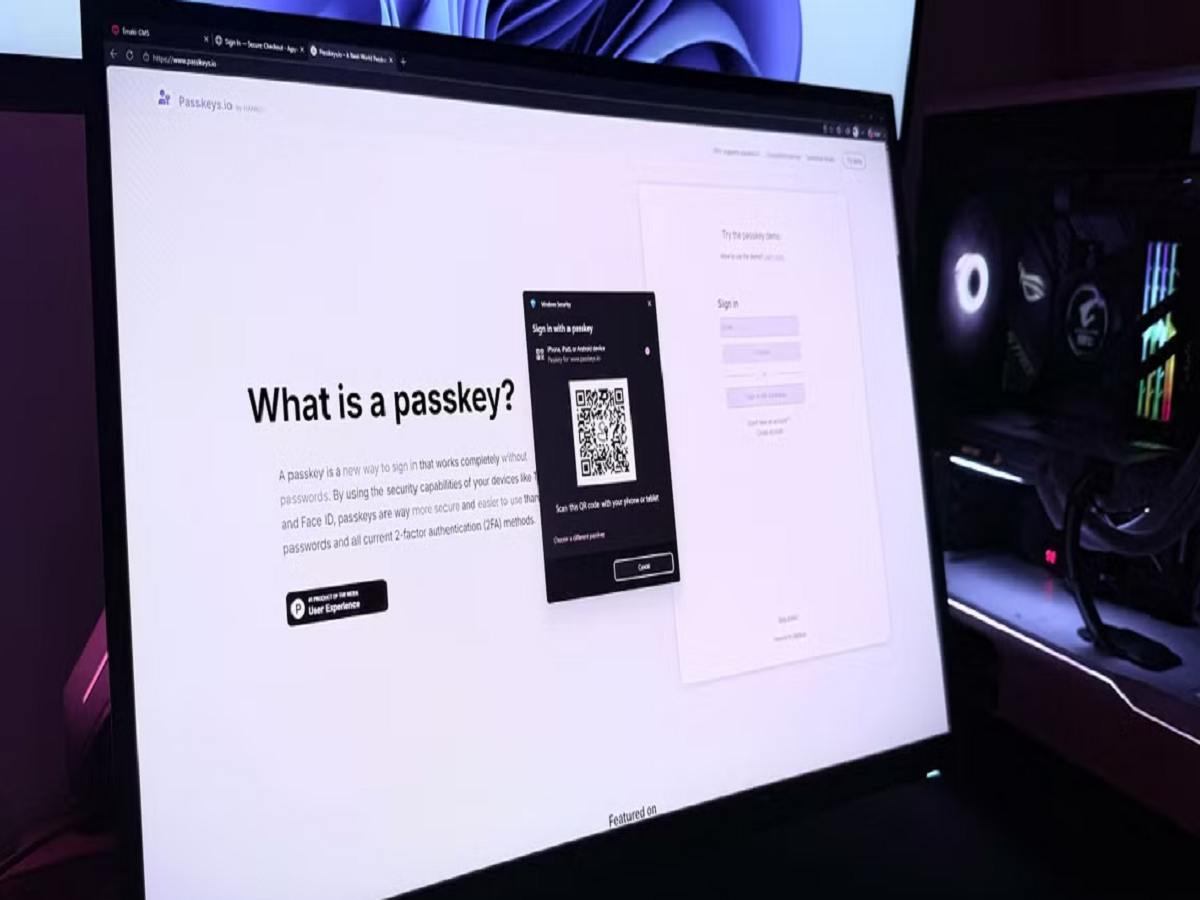
3. After 2FA is enabled, additional verification is required along with the password for login, which increases the security of the account.
4. Periodically check third-party apps and websites linked to your Google account and remove access to those you don't need.
5. Regularly check settings like passwords, recovery information, 2FA and app access to immediately detect any suspicious changes.
PC : ABP News