TECH
What Is Refresh Rate in a Smartphone and Why Does It Matter? Understand Before Buying Your Next Phone
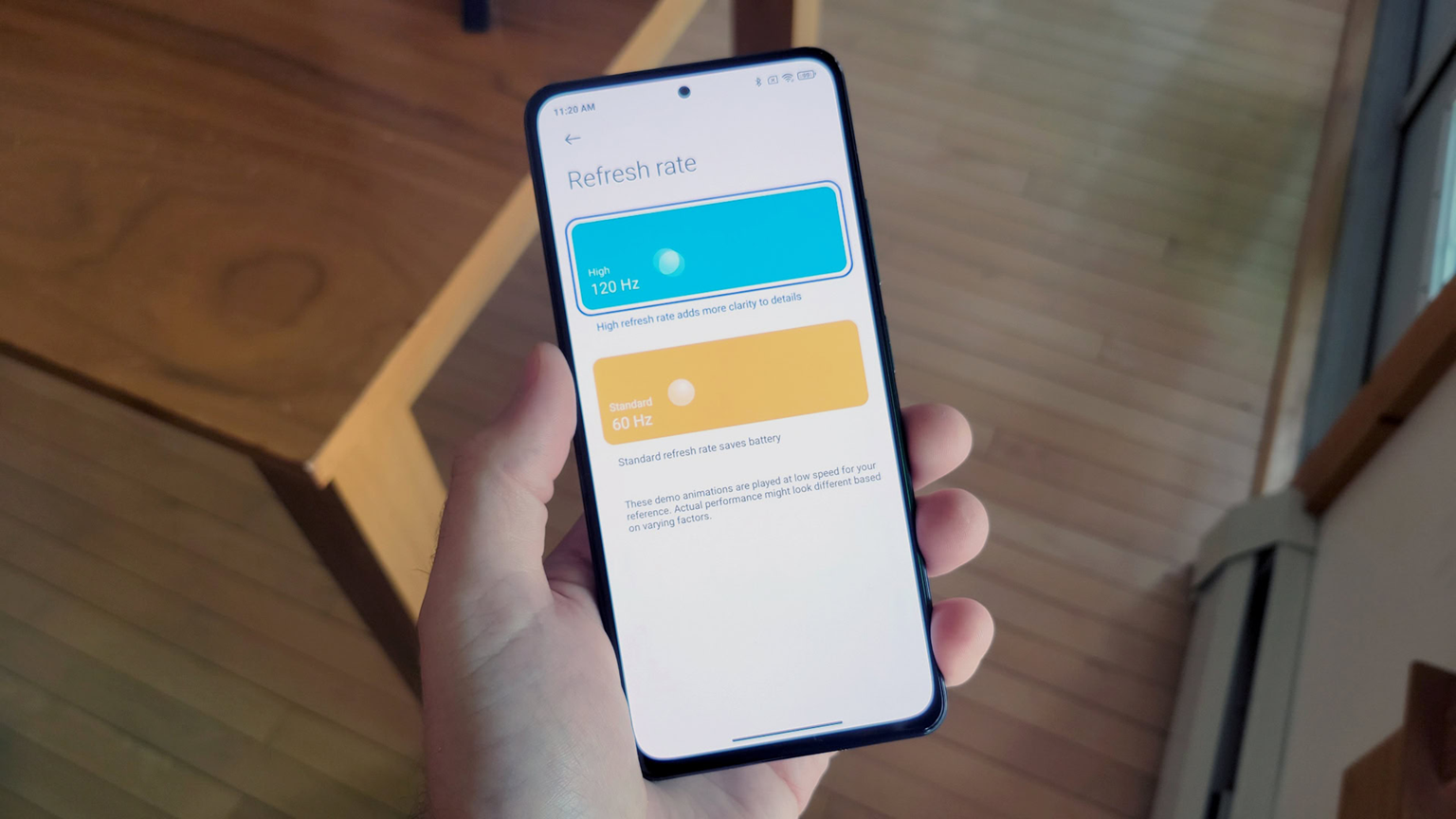
When shopping for a new smartphone or even a smart TV, you often come across terms like 60Hz, 90Hz, 120Hz, or 144Hz refresh rate. While it may sound technical, the refresh rate plays a big role in how smooth your screen feels in everyday use.
What Is Refresh Rate?
Refresh rate refers to how many times a display updates itself every second.
It is measured in Hertz (Hz).
For example:
-
A 60Hz display refreshes 60 times per second
-
A 90Hz display refreshes 90 times per second
-
A 120Hz display refreshes 120 times per second
Simply put, a higher refresh rate means your screen updates more frequently, making motion appear smoother.
Why Is Refresh Rate Important?
Every time you scroll, swipe, or play a video, the display is constantly refreshing images. A higher refresh rate improves this experience by making everything feel more fluid.
Benefits of Higher Refresh Rate:
-
Smoother scrolling on social media and web pages
-
More responsive gaming experience
-
Better animation quality in apps and UI
-
Reduced motion blur
This is why many modern smartphones and smart TVs now offer higher refresh rates.
Where You Will Notice the Difference
A higher refresh rate is most noticeable in:
-
Scrolling through apps like Instagram, Facebook, or Chrome
-
Playing fast-paced games
-
Navigating menus and animations
-
Watching high-frame-rate videos
Once you use a 90Hz or 120Hz display, a 60Hz screen may feel noticeably slower or less smooth.
Is Higher Refresh Rate Always Better?
Not always. While higher refresh rates improve smoothness, there are some trade-offs:
Possible downsides:
-
Higher battery consumption
-
Slightly more heat generation in some devices
-
May reduce battery backup if used continuously at max refresh rate
Many phones now include adaptive refresh rate technology, which automatically adjusts Hz based on usage to balance performance and battery life.
What Should You Choose?
-
60Hz: Good for basic users, budget phones, and normal usage
-
90Hz: Balanced option with smoother experience and decent battery life
-
120Hz or higher: Best for gamers, heavy users, and premium experience
Key Takeaway
Refresh rate is not just a marketing term—it directly affects how smooth and responsive your phone feels. While higher refresh rates offer a better visual experience, it’s important to balance it with battery life and usage needs before making a purchase decision.