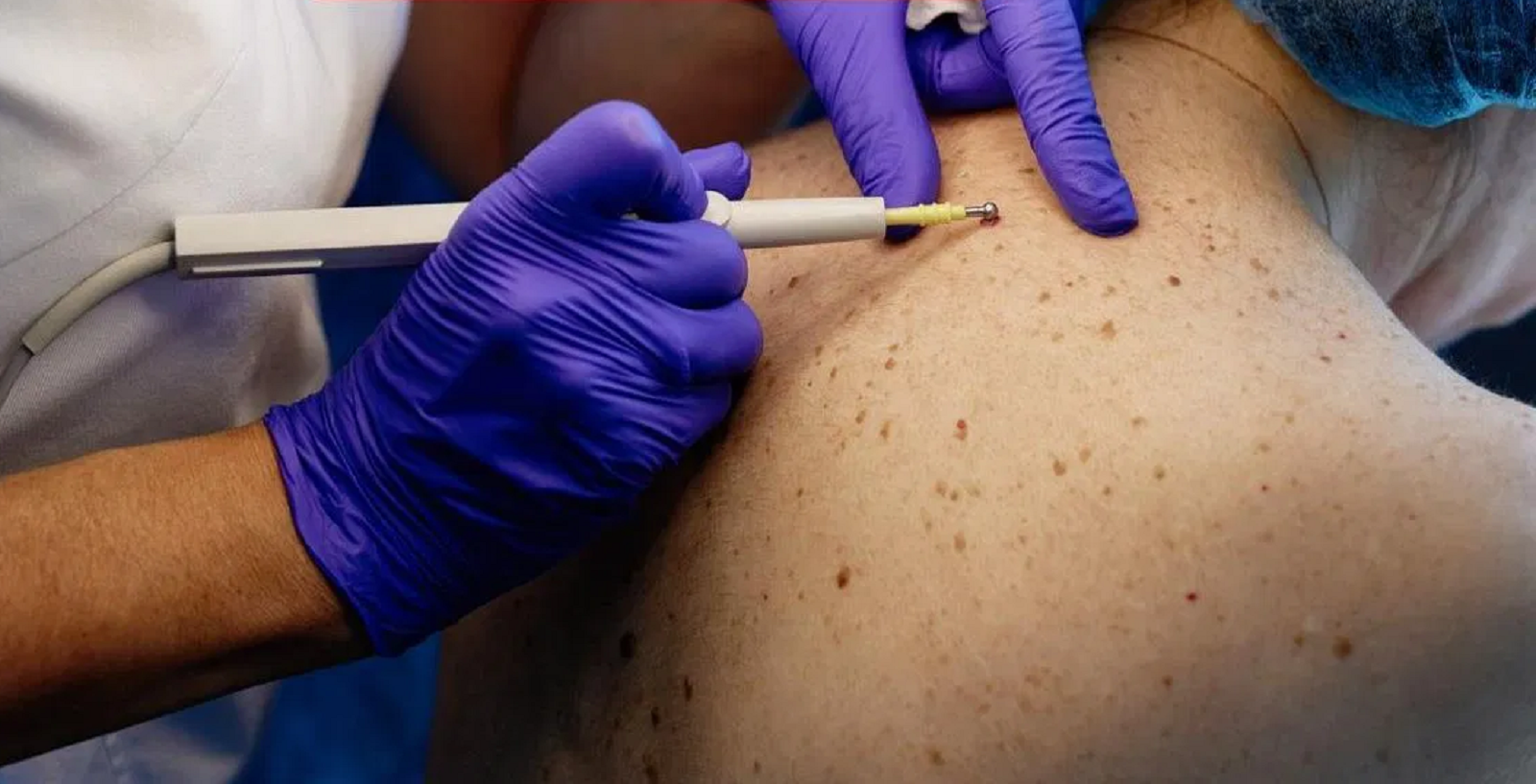
Skin cancer is a serious condition in which abnormal skin cells grow uncontrollably. There are three main types:
• Basal cell carcinoma (BCC): The most common and usually slow-growing.
• Squamous cell carcinoma (SCC): Forms in the upper layers of the skin and has a higher chance of spreading.
• Melanoma: The most dangerous type because it spreads quickly to other parts of the body.
Early detection and treatment can significantly reduce the risks.
Why does skin cancer occur?
The biggest cause is excessive exposure to UV rays from the sun. Spending long hours outdoors without sunscreen increases the risk. Other causes include:
• Genetic factors
• Weak immune system
• Exposure to chemicals or radiation
• Repeated skin injuries or burns
Skin cancer usually develops on sun-exposed areas like the face, neck, hands, arms, and legs. Melanoma often begins as a change in a mole, so regular skin checks are very important.
Who is at higher risk?
According to Dr. Soumya Sachdeva, dermatologist at Max Hospital, the following groups are more vulnerable:
• People with very fair or light skin
• Those who spend long hours in the sun
• People with a family history of skin cancer
• Elderly individuals
• People with weakened immunity
• Those who have many moles
Symptoms of Skin Cancer
Common warning signs include:
• New skin growths
• Wounds that don’t heal
• Changes in the size, shape, or color of a mole
• Itching, bleeding, or sudden pain in a mole
Symptoms of melanoma (the most dangerous type) include:
• Asymmetric or uneven mole shape
• Blurred or irregular borders
• Darkening of the mole or multiple colors in one mole
• Sudden, rapid increase in size
If you notice any unusual skin change, consult a dermatologist immediately.
How to Prevent Skin Cancer
• Apply SPF 30+ sunscreen whenever you step outside.
• Avoid strong sunlight between 11 AM and 3 PM.
• Wear hats, sunglasses, and full-sleeve clothing.
• Avoid tanning beds completely.
• Protect children's skin, as it is more sensitive to UV damage.
• See a doctor immediately if you notice a new or changing mole.
• Maintain a healthy diet to keep your immunity strong.