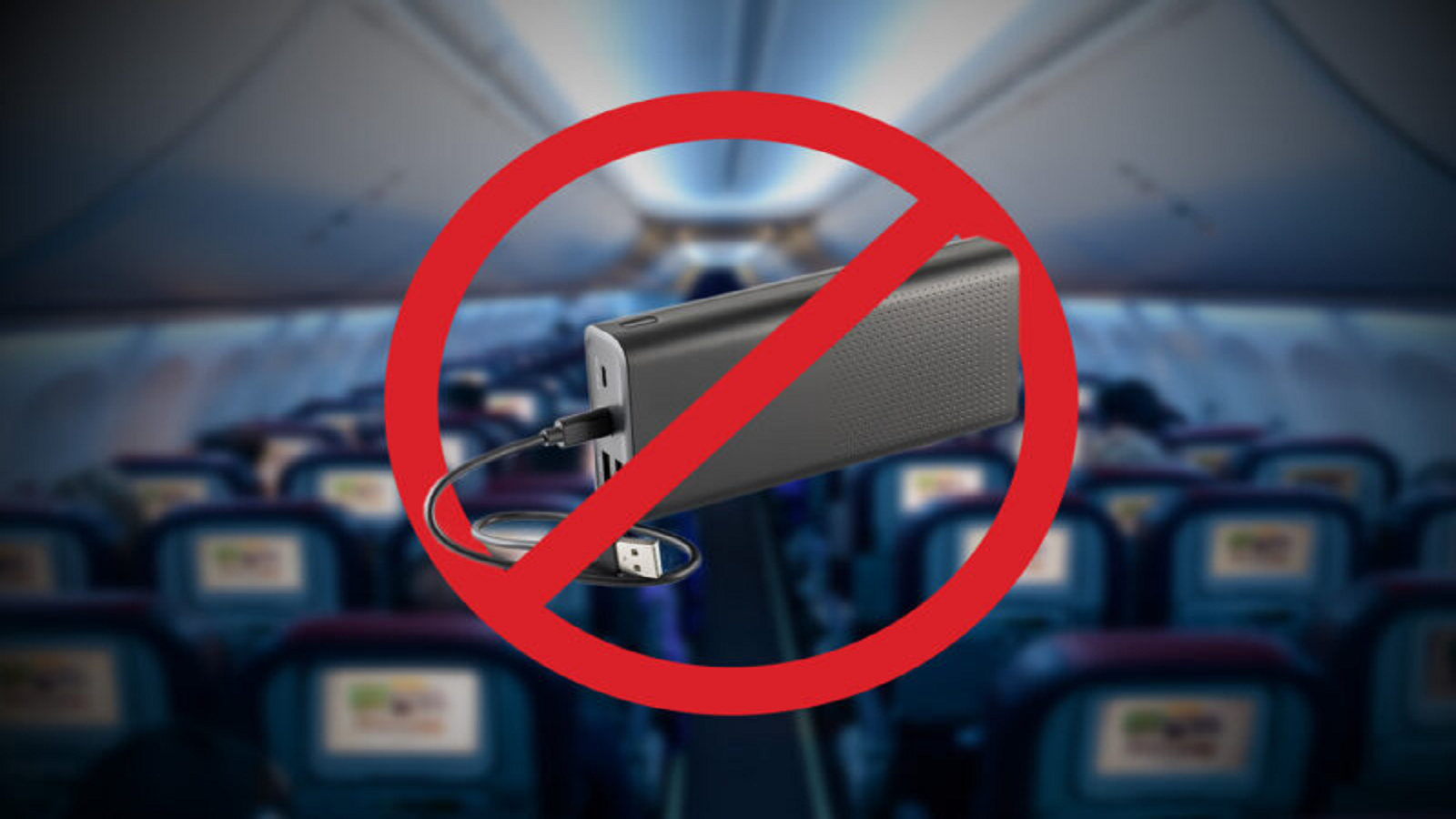
Effective October 1, 2025, Emirates Airlines has imposed a ban on using power banks onboard its flights, surprising many travelers who rely on these portable chargers. Under the new policy, passengers are allowed to carry only one power bank with a capacity of less than 100 watt-hours (Wh) in their hand luggage. The power bank must remain switched off throughout the flight and cannot be used to charge any personal devices onboard. Additionally, recharging power banks using the aircraft’s power supply is strictly prohibited.
The safety impetus behind this move is the growing number of lithium-ion battery-related incidents in aviation. Power banks, powered by lithium-ion or lithium-polymer batteries, carry risks such as overheating or thermal runaway—a chain reaction causing the battery to overheat, catch fire, or even explode. The ban aims to minimize such risks, especially from low-cost or faulty power banks lacking automatic shut-off features.
Passengers must store power banks either in the seat pocket or under the seat in front of them, but not in overhead bins or checked baggage. Emirates highlights that its aircraft are equipped with in-seat charging ports, encouraging passengers to charge their devices fully before boarding, particularly on long flights.
This ban aligns with broader international aviation safety guidelines, including those set by the International Air Transport Association (IATA), and similar restrictions adopted by other major airlines such as Singapore Airlines, Cathay Pacific, and Korean Air in 2025.
Travelers should double-check their power bank's capacity rating and ensure devices are in good condition and designed for personal use to avoid any inconveniences at the airport.