LIFESTYLE
Why Do Rotis Turn Hard After Cooking? Follow These Simple Dough-Kneading Tricks to Keep Them Soft for Hours
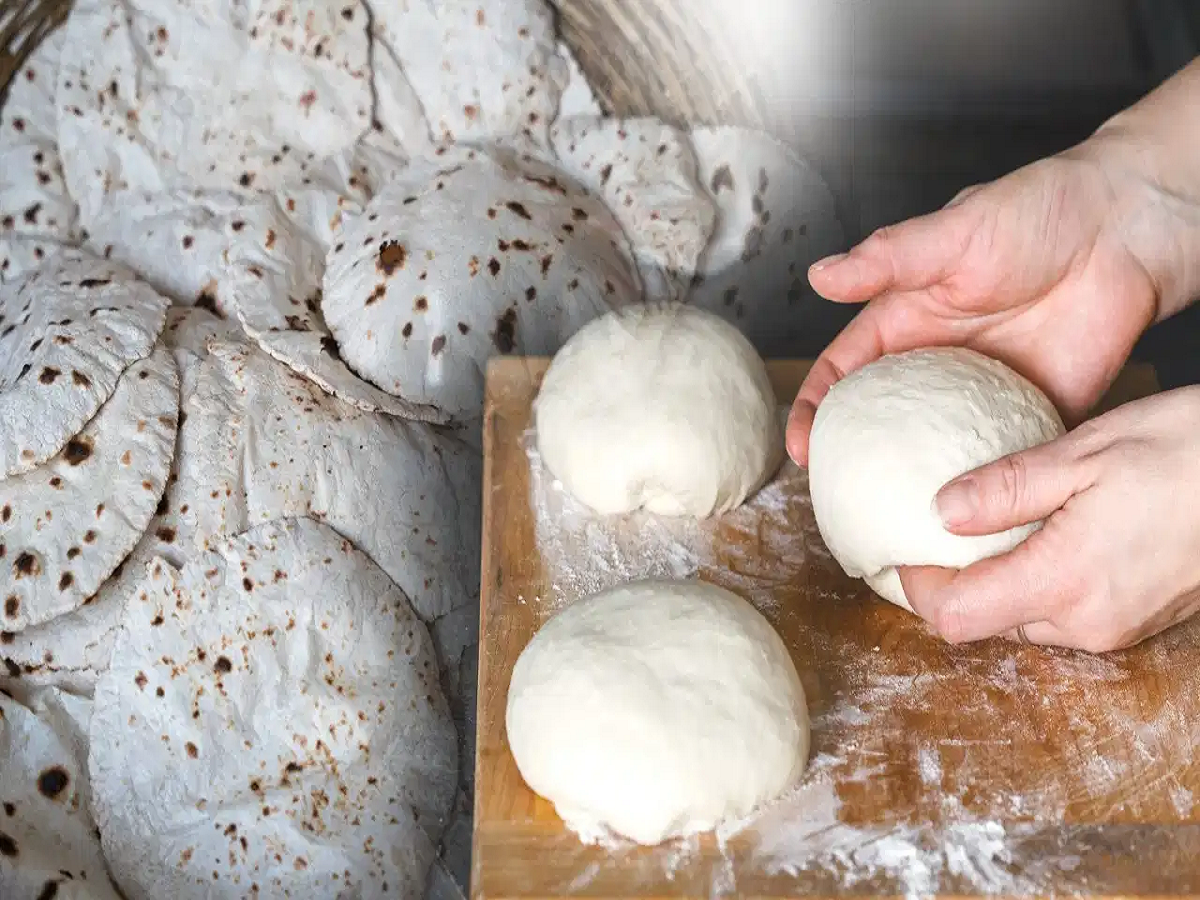
Soft, fluffy rotis are an essential part of everyday Indian meals. Whether served with dal, sabzi or a rich curry, freshly prepared rotis make every meal more enjoyable. However, one common problem faced in many kitchens is that rotis become hard, dry or chewy shortly after cooking.
The problem is not always the quality of the flour. Small mistakes during dough preparation, kneading, rolling and cooking can affect the final texture. The good news is that a few simple changes in your daily cooking routine can help you prepare soft rotis that remain fresh for much longer.
Here are some useful kitchen tips to make perfectly soft rotis every time.
1. Use Lukewarm Water While Kneading the Dough
The first step towards making soft rotis begins with preparing the dough correctly. Using lukewarm water can help the flour hydrate evenly and make the dough easier to knead.
Instead of adding all the water at once, pour it gradually while mixing the flour. Knead the mixture for around 8–10 minutes until it becomes smooth, soft and elastic.
Avoid making the dough too tight, as a stiff dough generally produces dry and hard rotis. Similarly, adding excessive water can make it sticky and difficult to handle.
2. Never Skip the Resting Period
One common mistake is preparing rotis immediately after kneading the dough. Giving the dough enough time to rest can significantly improve its texture.
Once the dough is ready, apply a little ghee or oil to its surface and cover it with a lid or a slightly damp cotton cloth. Allow it to rest for approximately 20–30 minutes.
This resting period allows the flour to absorb moisture properly and gives the gluten network time to relax. As a result, the dough becomes easier to roll and the rotis are more likely to remain soft after cooking.
3. Avoid Using Too Much Dry Flour While Rolling
Many people repeatedly dip their dough balls into dry flour to prevent them from sticking to the rolling surface. However, excessive dry flour can make the rotis dry and affect their texture.
Use only a small amount of dry flour while rolling. Apply gentle and even pressure so that the roti maintains a uniform thickness.
Pay special attention to the edges, as uneven rolling can prevent the roti from cooking properly and puffing up.
4. Maintain the Correct Tawa Temperature
The temperature of the tawa plays an important role in preparing soft rotis.
If the tawa is not sufficiently hot, the roti may take longer to cook and lose moisture. On the other hand, excessive heat can burn the outer surface before the inside is properly cooked.
Preheat the tawa over medium to medium-high heat. Place the rolled roti on it and flip it when small bubbles begin appearing on the surface. Cook the other side until light brown spots develop.
Avoid flipping the roti repeatedly, as unnecessary cooking time can make it dry.
5. Store Rotis Properly After Cooking
Even perfectly cooked rotis can become hard if they are left exposed to air for a long time.
As soon as a roti is cooked, transfer it to an insulated casserole or a covered container lined with a clean cotton cloth. The cloth helps manage excess condensation while the covered container reduces moisture loss.
If you are preparing rotis for later consumption, avoid leaving them uncovered on a plate.
6. Add a Little Ghee for Extra Softness
Another simple kitchen trick is to apply a thin layer of ghee to freshly cooked rotis. It adds flavour and helps improve their eating texture.
However, adding ghee is optional. Proper hydration, adequate resting time and correct cooking temperature are more important for achieving soft rotis.
The Secret to Soft Rotis Is in the Small Details
Making soft rotis does not require expensive ingredients or complicated cooking techniques. The right water quantity, proper kneading, sufficient resting time and controlled heat can make a noticeable difference.
Follow these simple practices in your daily kitchen routine, and you can enjoy delicious, soft homemade rotis with your favourite meals.