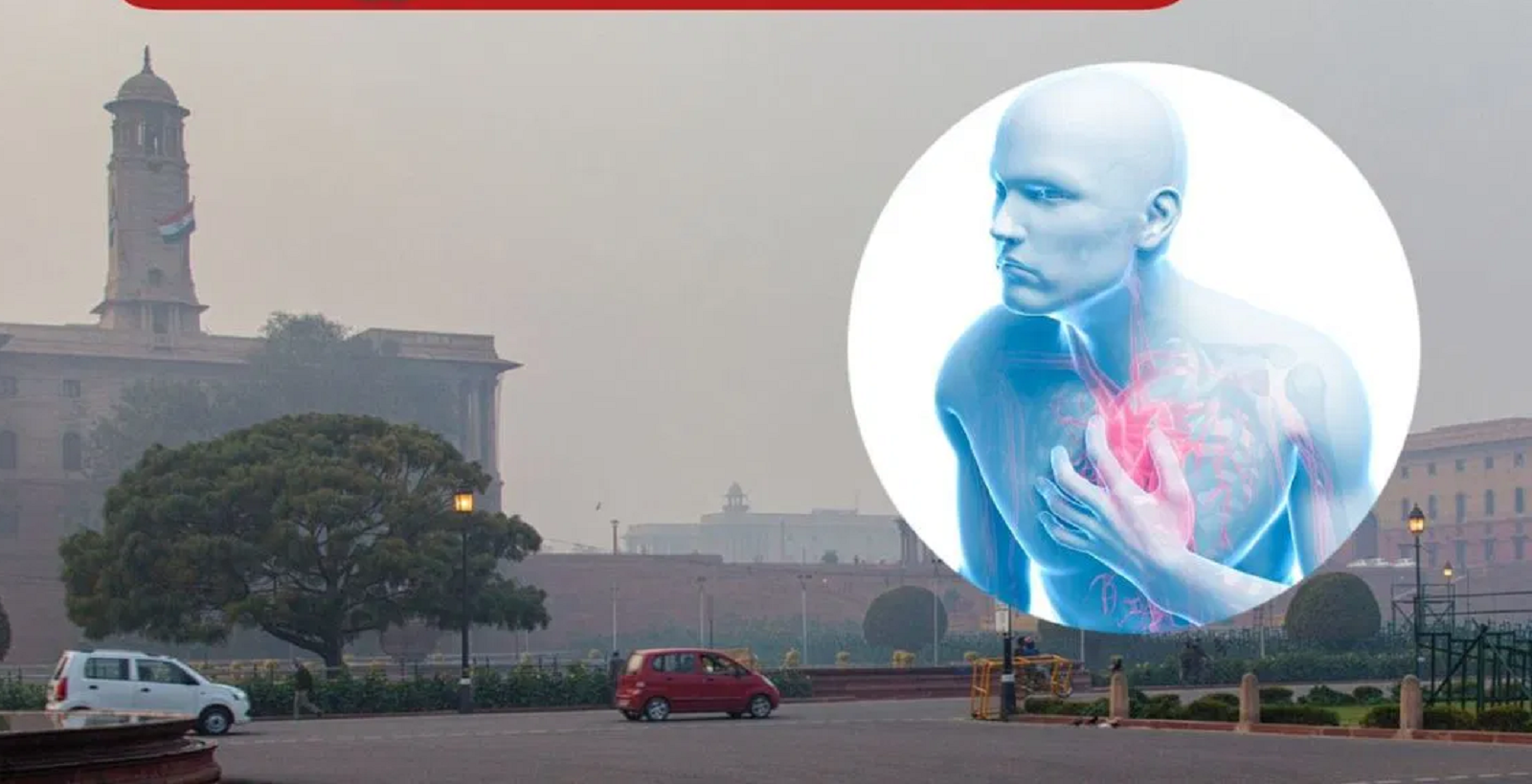
Pollution levels are continuously rising in many regions, especially in Delhi-NCR. Winter is one of the major reasons for this spike. When the air becomes cold, polluted particles settle near the ground, and airflow slows down. Thick layers of smog and haze block sunlight, making the air feel heavy and stagnant. All these factors increase breathing problems, eye irritation, and allergy symptoms. But the organ most affected by polluted air is the heart.
Fine particulate matter like PM2.5 and PM10 enters the body through the lungs and mixes directly with the bloodstream. These particles cause inflammation in the veins, constricting blood vessels and disturbing blood flow. Regular exposure to polluted air can lead to an irregular heartbeat, high blood pressure, and reduced oxygen levels in the body. Pollution also triggers oxidative stress, which weakens heart muscles. This becomes especially dangerous for people who already suffer from heart disease, diabetes, asthma, or high blood pressure.
Why does pollution increase the risk of a heart attack?
Dr. Ajit Jain from the Cardiology Department at Rajiv Gandhi Hospital explains that when pollution rises, toxic particles in the air enter the body and damage the inner lining of blood vessels. This damage increases the formation of blood clots, which is a major trigger for heart attacks. Pollution causes inflammation in the heart’s arteries, making platelets more active. This can suddenly create a blockage, leading to a heart attack.
Common symptoms include chest pain or heaviness, sudden shortness of breath, restlessness, shoulder or arm pain, dizziness, and unusual fatigue. Some people may also notice a fast or irregular heartbeat. On days with high pollution, the condition of patients with existing heart problems often worsens. Therefore, any heart-related symptoms during smoggy days should never be ignored. Immediate medical attention is crucial.
How to protect your heart during high pollution
• Wear an N95 mask when stepping outdoors.
• Avoid morning or evening walks and exercise during smog.
• Use an indoor air purifier or ensure proper ventilation at home.
• Drink plenty of water to prevent toxin buildup in the body.
• Eat a balanced diet rich in fiber, fruits, and vegetables.
• Check blood pressure, blood sugar, and cholesterol regularly.
• Avoid smoking and alcohol.
• Consult a doctor right away if you notice any symptoms.