LIFESTYLE
Why is Lohri celebrated? What is the significance of rewadi and peanuts? Learn the A-Z information about the festival
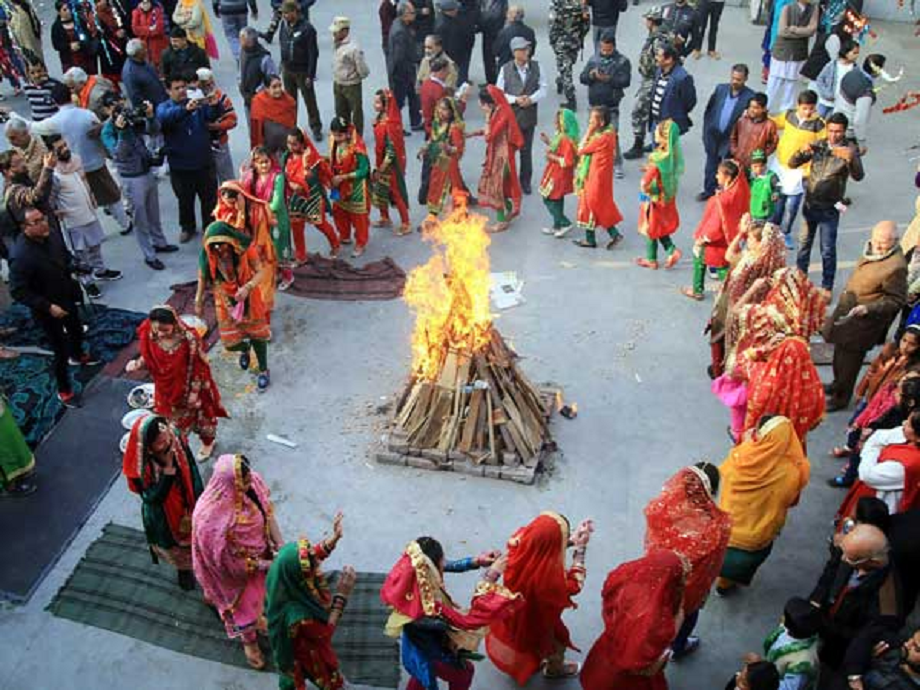
Lohri is not just a festival, but a symbol of social consciousness, questioning issues like dowry and greed through folk songs. Folklores like Dulla Bhatti ...read more
Lohri is a folk festival of Punjab that is often reduced to fire, song, and sweets. However, the reality is that Lohri is not just a celebration, but a collective consciousness of society. It is an occasion when, through folk songs, society asks itself: why dowry, why greed, why discrimination, and why the disrespect of hard work?
Lohri songs are not entertainment, but a voice of public justice. They feature folk heroes like Dulla Bhatti, who stand up for the honor of daughters; farmers, whose hard work is the foundation of the festival; and fire, which becomes a symbol of equality and partnership. This is why Lohri songs directly attack social evils.
This special package attempts to highlight the same Lohri that embodies folk heroism in Majha, a celebration of hard work in Malwa, and the warmth of relationships in Doaba. It also attempts to understand the symbols that demonstrate that this festival is not just about celebration, but also about understanding.
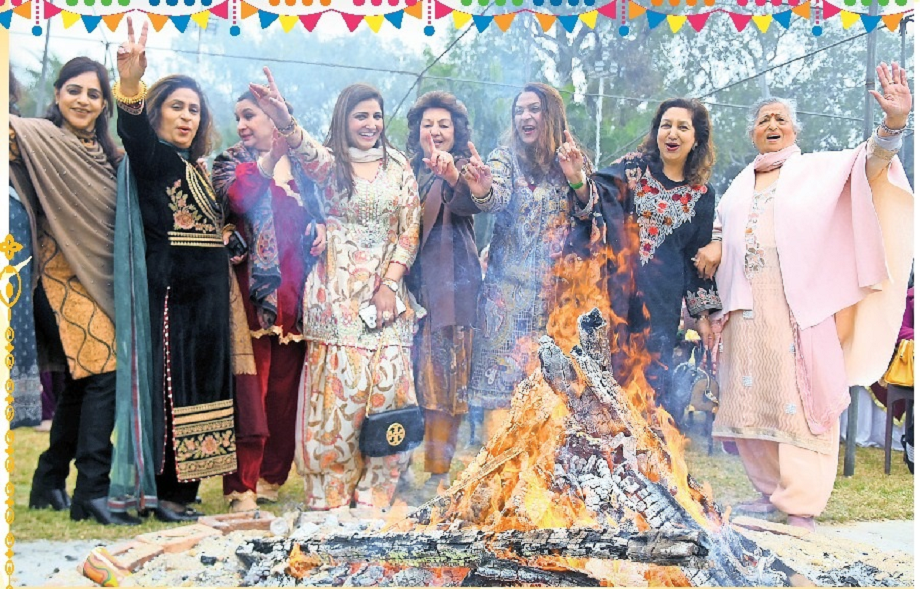
Research on folk songs: a living legacy of story, humor, and rituals
Lohri Folk Songs Lohri is not just a festival of fire worship or the change of seasons, but a celebration of Punjab's collective memory, social relationships, and folk culture. Research has revealed that the world of folk songs associated with Lohri is extremely rich and diverse. Through these songs, social stories, sense of humor, family relationships, and collective consciousness have been passed down from generation to generation.
These songs illustrate how narrative, humor, and ritual coexist within a single festival. Lohri songs can be broadly divided into three categories: narrative songs, humorous songs, and blessing songs.
Narrative songs reflect ancient events, folk heroes, and social values. The most popular example is "Sundar Mundariye." This song describes two sisters named Sundari and Mundari and commemorates the folk hero Dulla Bhatti.
The group singing style, where one singer chants a line and the others respond with a "ho," gives the song a community-wide feel. Humorous songs infuse Lohri with lighthearted humor. They feature witty witticisms about relationships, playful banter, and a celebration of life's small joys.
Songs like "Lohri Bai Lohri, Diyo Gud Di Rewari" contain symbols of jaggery, rewadi, and ghee, along with well-wishes for family members. These songs highlight the simplicity and intimacy of folk life. Research has also revealed a clear difference between the songs sung by boys and girls on Lohri.
Boys' songs are characterized by high pitch, sharp rhymes, and a vibrant flow. They sometimes display arrogance and even anger as they go from door to door in groups, asking for Lohri. In contrast, girls' songs are melodious, emotional, and full of rituals. The main themes are marriage, sibling affection, and blessings for newborns. Through congratulatory songs, they pray for the happiness and prosperity of their families and society.
Who was Dulla Bhatti?
According to mythology, Lohri is linked to the story of Dulla Bhatti Wala. Lohri songs are associated with Dulla Bhatti. Dulla Bhatti was a brave warrior during the Mughal era and took action against the increasing oppression of the Mughals. At that time, girls were forcibly sold into slavery to wealthy men at the place called Sandal Bar.
Among them were two sisters named Sundari and Mundri. Both girls were engaged elsewhere, and their prospective in-laws were reluctant to accept the marriage due to fear of the Mughal emperor. Dulla Bhatti not only freed the girls but also, in this difficult time, persuaded the groom's family to marry them by lighting a fire in the forest. He personally gave them their kanyadaan (gift) and gave them sugar as a token of good luck.
Three colors of Lohri
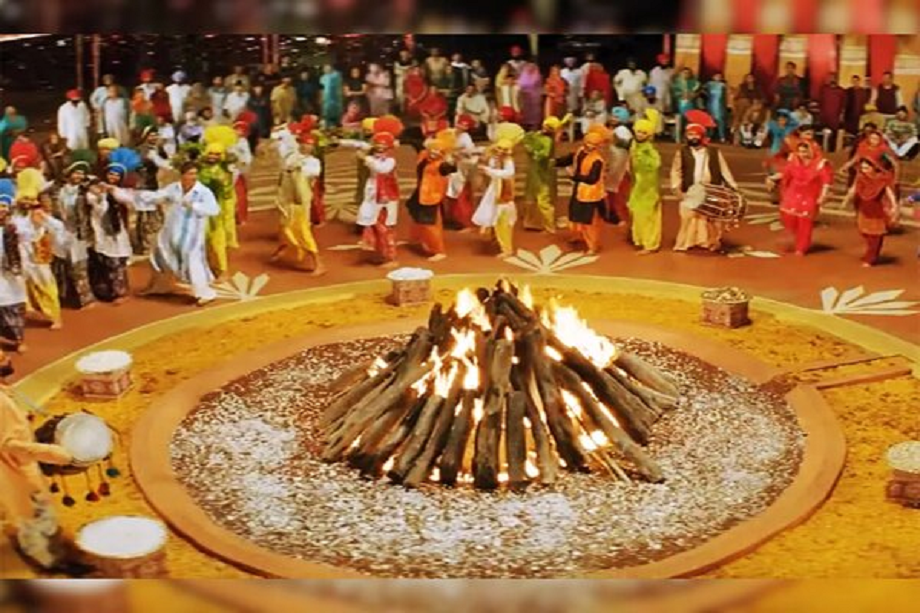
Majha: A memory of valor, accompanied by kite flying. In the brave Majha region of Punjab, Lohri's theme revolves primarily around the folk hero Dulla Bhatti. Songs like "Sundar Mundariya" are not just a tradition here, but a reminder of social justice. In Majha, the collective singing of folk songs around the Lohri fire is particularly powerful.
Here, the significance of sher-sugar, rewadi, and peanuts is not just prasad, but also linked to the culture of mass distribution. Lohri is also considered a symbol of public resistance against injustice. Furthermore, kite flying is the most popular festival here.
Malwa : A Festival of Farmers and Harvests In the Malwa region, Lohri is deeply connected to agriculture and farming. Here, Lohri is celebrated to mark the completion of sowing of the new crop, especially wheat.
Circumambulating around a fire, and eating sesame seeds, jaggery, and corn rotis are particularly important here. In Malwa, Lohri often features community feasts and village-level fairs. Here, Lohri becomes a celebration of hard work, sweat, and a life connected to the land.
Doaba : Family and NRI Flair Lohri in Doaba is more family-oriented, sentimental, and bond-nurturing. A large number of people from this region are settled abroad.
When NRI families return once a year, Lohri becomes not just a festival for them, but an opportunity to spend time with family and strengthen relationships. Lohri is most strongly associated with children and newlyweds. Traditionally, the Lohri of the first child is celebrated as a grand celebration.
From Rewadi to Sugarcane Juice… Know Its Importance
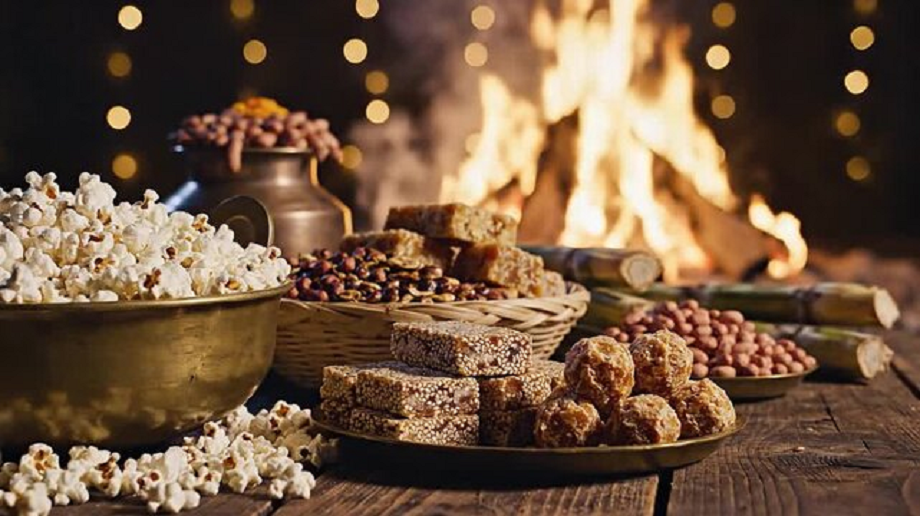
- Rewadi: Rewadi is made from sesame seeds and jaggery. Sesame seeds are considered beneficial for the body during the winter season, while jaggery symbolizes sweetness and energy. Sharing rewadi is a symbol of sweetening relationships and eliminating bitterness.
- Peanuts: Peanuts grow underground and require hard work to harvest. They are considered a symbol of hard work and patience. Eating and distributing peanuts on Lohri signifies that those who remain connected to the earth will reap its rewards.
- Sugarcane Juice: Sugarcane is one of Punjab's major crops. Sugarcane crushing begins around Lohri. Sugarcane juice symbolizes renewed energy, freshness, and prosperity. It is believed that drinking sugarcane juice brings sweetness and prosperity throughout the year.
- Sesame seeds and jaggery are symbols of togetherness, protecting against the cold. Throwing them into the fire is considered a folk ritual of thanking nature, as if returning the earth's bounty and thanking it.
PC: OneIndia