Have you ever noticed how Japanese people often look much younger than their actual age? Their skin stays radiant, they rarely fall sick, and even the elderly seem energetic and active. The secret behind their youthful appearance isn’t expensive creams or supplements—it lies in a simple but powerful dietary habit.
The Secret of Longevity: ‘Hara Hachi Bu’
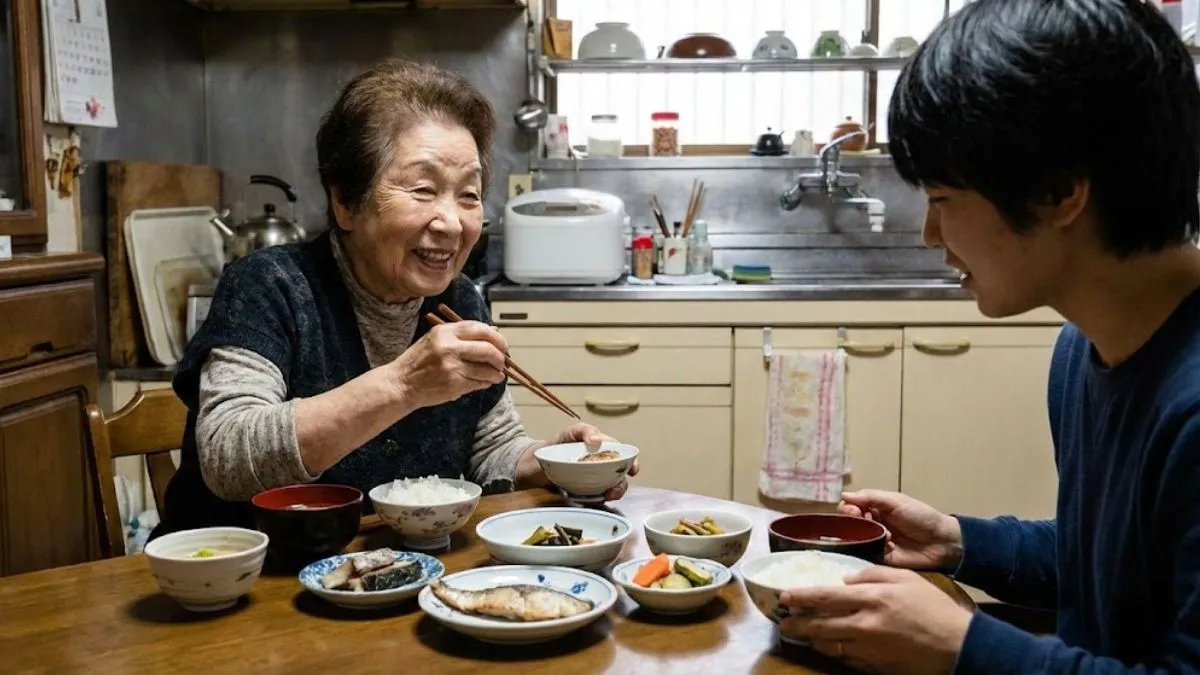
Japanese people, especially in Okinawa, follow a traditional principle called “Hara Hachi Bu”, which translates to “fill your stomach only up to 80%.” Unlike many of us who eat until we feel completely full, the Japanese stop eating when they are just satisfied, leaving their stomach partially empty.
This ancient practice is a cornerstone of their longevity and vitality. By avoiding overeating, they prevent stress on the digestive system and reduce the risk of obesity, metabolic disorders, and premature aging.
How It Works
Science explains that it takes about 20 minutes for the stomach to signal the brain that it is full. By eating until 100% full, we often consume 20% more calories than needed, which contributes to weight gain, sluggishness, and digestive issues. Limiting food intake slightly allows the body to digest more efficiently, lowers internal stress, and helps keep cells youthful.
How to Adopt Hara Hachi Bu in Daily Life
You can incorporate this Japanese longevity habit into your lifestyle with simple steps:
-
Eat Slowly: Chew your food properly and savor each bite. This allows your brain enough time to register satiety.
-
Use Smaller Plates: A smaller portion will look satisfying, preventing unnecessary overeating.
-
Stop When Nearly Full: Pause eating when you feel about 80% full. Don’t push to completely fill your stomach.
-
Mindful Eating: Focus on eating for nutrition, not just taste.
By following these small adjustments, you can not only manage your weight but also enhance long-term health, maintain energy, and slow down the aging process—just like the Japanese.