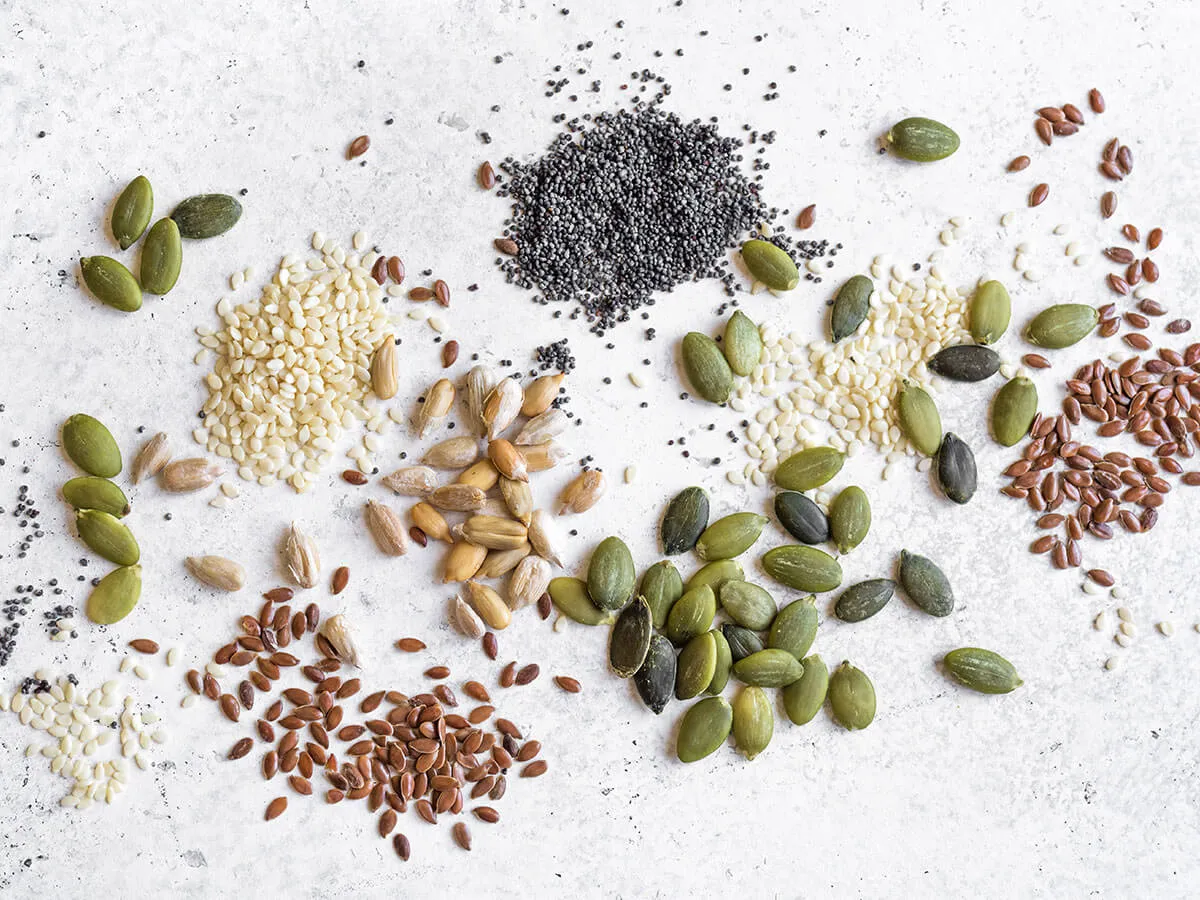
With growing awareness about healthy eating, many people are adding nutrient-rich seeds to their daily meals. Seeds such as chia, flax, pumpkin, watermelon, and melon seeds are increasingly popular because they contain essential nutrients that support overall health. Doctors and nutrition experts often recommend including these seeds in the diet because they are rich in healthy fats, vitamins, minerals, and antioxidants.
These tiny seeds are believed to help improve hair health, strengthen immunity, and support the body’s internal functions. However, many people are unsure about the proper way to consume them. A common question is whether seeds and dry fruits should be eaten directly or soaked beforehand.
Importance of Soaking Seeds
Traditional dietary wisdom, particularly from Ayurveda, suggests that soaking seeds before eating them is highly beneficial. Seeds contain concentrated nutrients that are stored within a protective outer layer. When they are soaked in water, the moisture helps activate these nutrients and softens the seed structure.
This process allows the nutrients inside the seeds to become more accessible for the body. As a result, the body can absorb vitamins, minerals, and beneficial fats more effectively. In simple terms, soaking seeds helps unlock their nutritional potential.
How Long Should Seeds Be Soaked?
To gain maximum benefits, seeds should be soaked in water for a certain period before consumption. Experts suggest that soaking seeds for at least two hours is important. If time allows, they can be soaked for up to six to eight hours for better results.
Different seeds may require slightly different soaking times:
-
Chia seeds: Around 2–4 hours
-
Flax seeds: 2–6 hours
-
Pumpkin seeds: 4–8 hours
-
Almonds: 6–8 hours or overnight
Before soaking, it is important to rinse the seeds thoroughly. Seeds stored for long periods may be treated with protective powders or preservatives. Washing them ensures that these substances do not mix with the soaking water.
Soaking Is Also Beneficial for Dry Fruits
The same practice applies to dry fruits as well. Nutrition experts recommend soaking dry fruits such as almonds, cashews, walnuts, raisins, figs, pistachios, and dried plums before eating them. After cleaning them properly, they should be kept in water for several hours.
This method helps activate the nutrients trapped inside the nuts and dry fruits, allowing the body to absorb them more easily.
Health Benefits of Soaked Seeds and Nuts
Consuming soaked seeds and dry fruits can offer several health advantages.
Better digestion:
Soaking softens the seeds and nuts, making them easier for the digestive system to process.
Improved nutrient absorption:
Activated enzymes help the body utilize vitamins and minerals more efficiently.
Balanced body temperature:
Many dry fruits and seeds are considered heat-producing foods. Soaking them can help reduce this effect and make them gentler on the body.
Enhanced energy levels:
Because nutrients become more available after soaking, the body receives better nourishment and sustained energy.
A Simple Habit for Better Health
Including soaked seeds and dry fruits in the daily diet can be a simple yet effective step toward better health. By washing and soaking them for a few hours before consumption, individuals can improve digestion and maximize the nutritional benefits these foods offer.