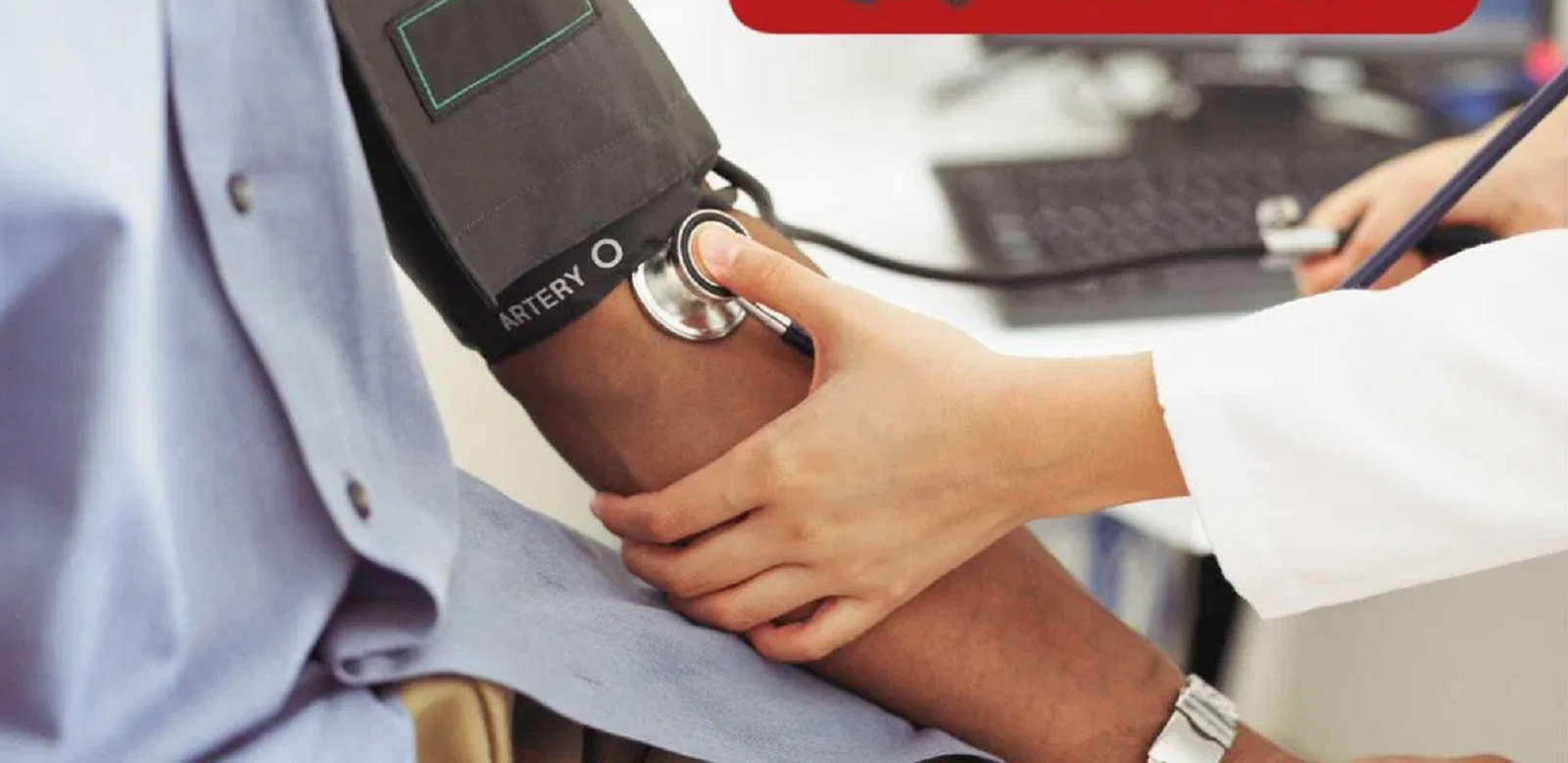
High blood pressure cases are increasing steadily, and the winter season often makes this condition more challenging to manage. As temperatures drop, the blood vessels naturally narrow, causing blood pressure to rise. Cold air puts additional stress on the heart, which then has to work harder to maintain blood flow. Reduced physical activity during winter further contributes to weight gain and uncontrolled BP, making this season particularly risky for people with hypertension.
Uncontrolled blood pressure in winter can lead to serious complications such as heart attack, stroke, heart failure, and kidney issues. Poor circulation in cold weather may cause symptoms like chest discomfort, dizziness, lightheadedness, breathlessness, fatigue, and swelling in the legs. In some cases, sudden spikes in BP can trigger severe headaches, nosebleeds, and blurred vision. These symptoms should never be ignored, as they indicate possible medical danger.
Precautions every high BP patient should follow in winter
Dr. L. H. Ghotekar from Lady Hardinge Hospital advises that people with hypertension must be extra careful during the cold season. The most important step is to keep the body warm and avoid stepping out in harsh cold without proper winter clothing. Light physical activity, such as brisk walking, yoga, or stretching, helps maintain healthy blood circulation.
Salt intake should be reduced, and oily or fried foods must be limited. Many people tend to drink less water in cold weather, which can lead to dehydration and unstable BP levels, so staying hydrated is crucial. Alcohol and smoking can cause sudden spikes in blood pressure and should be avoided completely. Taking prescribed medication on time and regularly monitoring BP at home is essential. Stress management through meditation or breathing exercises is also beneficial.
Additional important tips
• Avoid going outdoors early in the morning when the cold is intense.
• Use warm water for bathing.
• Check your blood pressure regularly.
• Get mild sunlight to prevent vitamin D deficiency.
• Maintain proper sleep and keep stress levels under control.