LIFESTYLE
World AIDS Day: How long does HIV take to become AIDS, and why are early symptoms hard to detect?
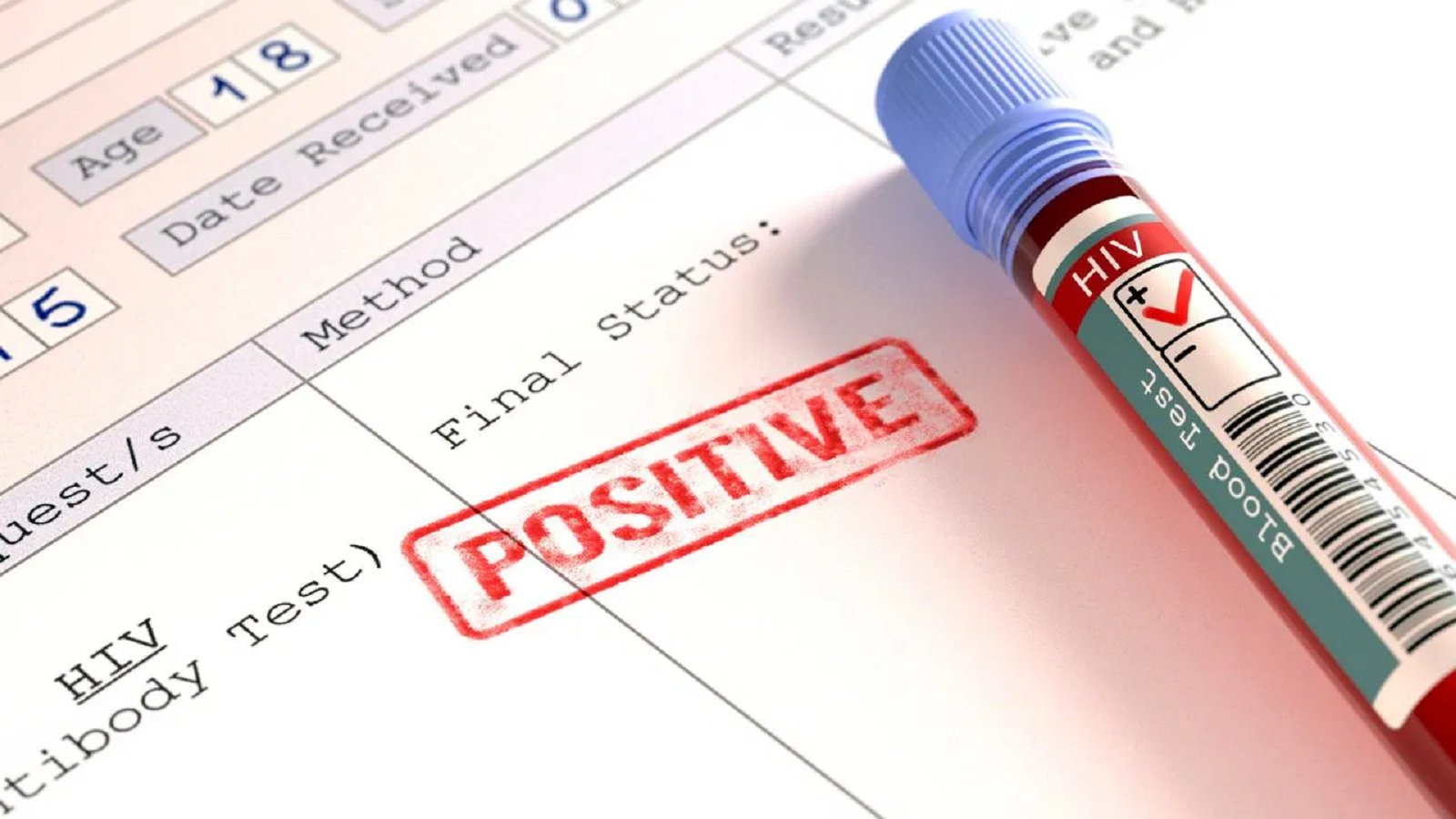
HIV and AIDS are often spoken about together, but they are not the same. HIV is a virus, while AIDS is the final and most severe stage of long-term, uncontrolled HIV infection. On World AIDS Day, medical experts explain how many years HIV takes to progress into AIDS, why symptoms remain hidden for so long, and what treatment can do.
How long does HIV take to progress to AIDS?
According to Dr. L. H. Ghotekar (Lady Hardinge Medical College), HIV typically takes 9–10 years to progress to AIDS if left untreated. However, this timeline is not the same for everyone and depends on:
• The person’s immunity
• Nutrition and lifestyle
• When ART (antiretroviral therapy) was started
With good immunity and a healthy lifestyle, HIV may take 10–12 years to progress.
With poor diet, alcohol use, or weak immunity, HIV can progress faster.
Early treatment can stop HIV from becoming AIDS
Dr. Ghotekar explains that if ART treatment begins early, it can prevent HIV from progressing to AIDS. A person living with HIV—if disciplined with medicines, diet, and lifestyle—may never develop AIDS.
Why are symptoms not visible in the beginning?
HIV works slowly and silently. For many years, it damages the immune system without showing clear symptoms.
Symptoms begin when the CD4 count drops below 400. Common early signs include:
• Unexplained weight loss
• Frequent mouth ulcers
• Persistent fever
• Weakness and fatigue
If HIV remains untreated and CD4 falls below 100, the body stops fighting infections. Even minor illnesses become dangerous and can lead to death.
Why HIV stays hidden for years
Dr. Ghotekar says HIV multiplies quietly and gradually weakens immunity. Because symptoms appear late, many people remain unaware of the infection for years—making regular testing crucial.
Can HIV be completely cured?
Dr. Ajit Jain (Rajiv Gandhi Hospital, Delhi) clarifies that HIV cannot be eradicated from the body. However:
• ART can reduce the virus to extremely low levels
• Viral load can become “undetectable”
• When viral load is undetectable, the virus cannot damage the body or pass to others (U=U: Undetectable = Untransmittable)
This requires:
• Starting ART as early as possible
• Taking medicines daily without interruption
• Maintaining a healthy diet and lifestyle
Key takeaway
There is still no cure for AIDS, but HIV is manageable with timely treatment. Early diagnosis, awareness, regular testing, and consistent ART can help a person live a long, healthy, and normal life without ever developing AIDS.