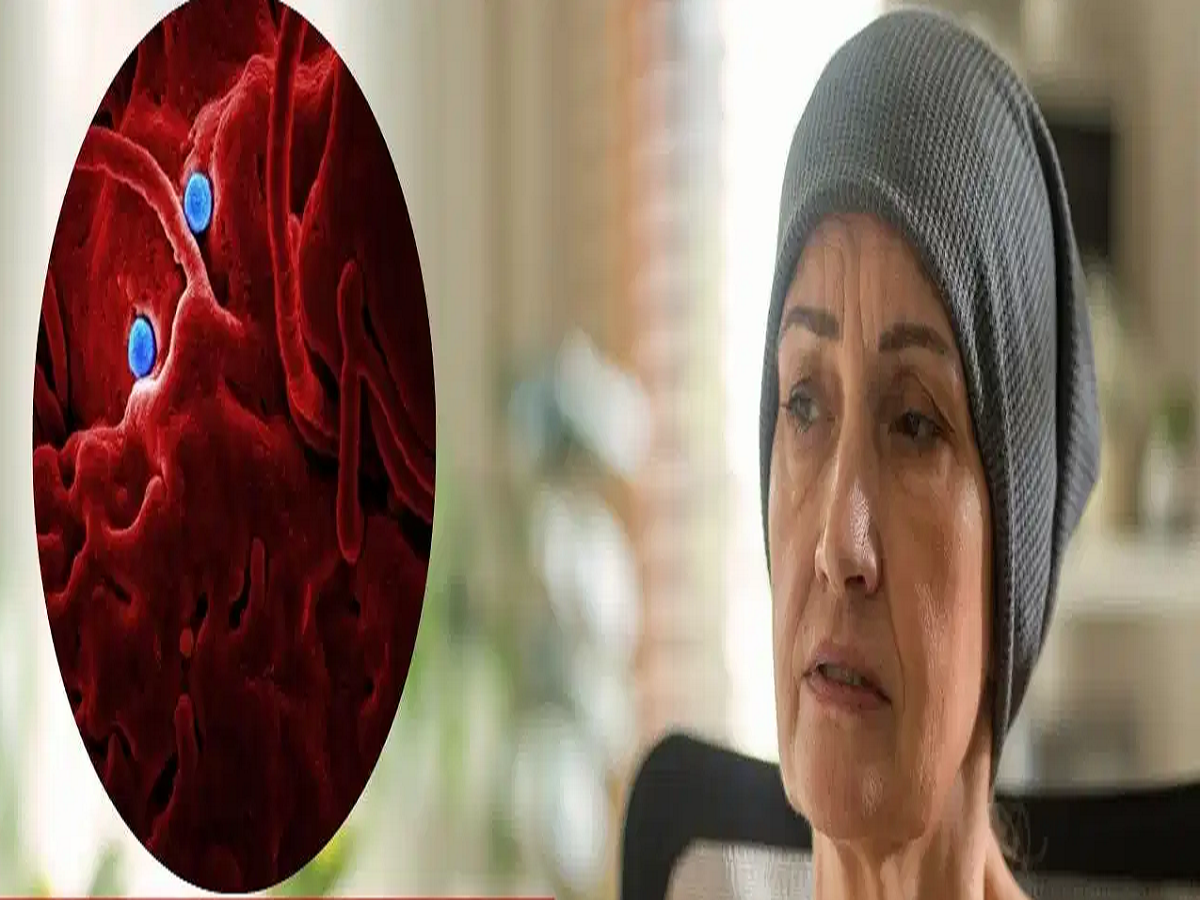
Every year on World Parkinson's Day, awareness is raised about Parkinson's disease, a condition that primarily affects movement and is more commonly seen in older adults. As people age, especially beyond 65, the risk of developing this neurological disorder increases, although in some cases it can appear earlier as well.
Parkinson’s disease occurs due to a decrease in the production of dopamine, a chemical in the brain that plays a key role in controlling movement. When dopamine levels drop, the brain struggles to coordinate body movements smoothly. As a result, individuals may experience slower movements, stiffness, and difficulty in performing everyday tasks.
The symptoms of Parkinson’s usually develop gradually and may vary from person to person. Common early signs include tremors in the hands or fingers, slowed walking, and issues with balance. Over time, people may also notice reduced facial expressions, changes in handwriting, and difficulty in speaking clearly. These symptoms can impact daily life, making simple activities more challenging.
Currently, there is no permanent cure for Parkinson’s disease. However, early diagnosis plays a crucial role in managing the condition effectively. With the right combination of medications, physical therapy, and lifestyle adjustments, the progression of symptoms can be controlled to a large extent. Treatments mainly focus on increasing or mimicking dopamine levels in the brain to improve movement and coordination.
The good news is that many people with Parkinson’s can still lead a largely normal and active life. With timely medical care, regular exercise, and proper support, patients can manage their symptoms and maintain independence in their daily routines. While the condition may require ongoing care, it does not necessarily prevent individuals from living fulfilling lives.