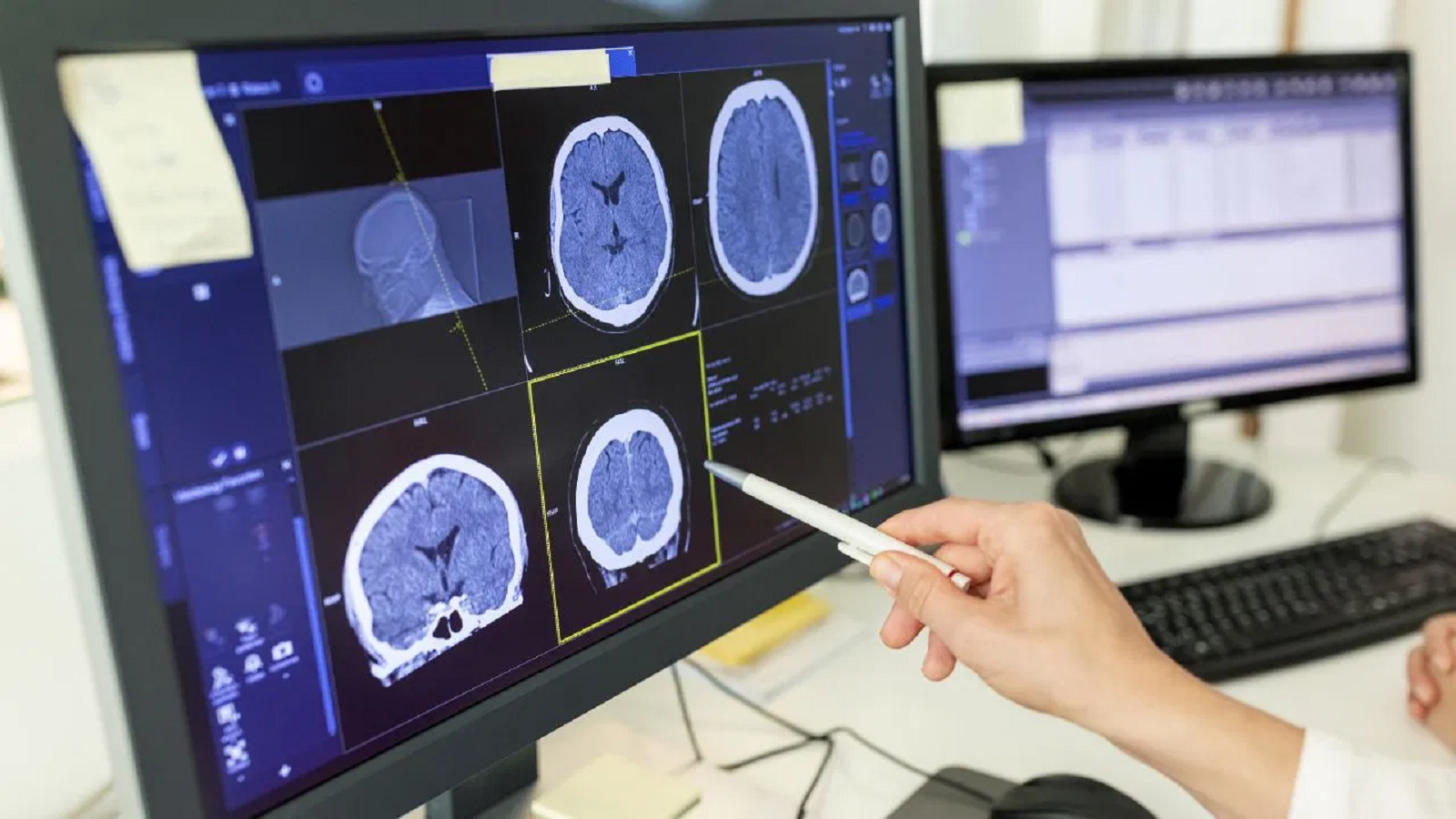
A brain stroke is a serious and life-threatening condition that occurs when the blood flow to a part of the brain is interrupted or when a blood vessel bursts. This leads to the death of brain cells and can affect movement, speech, and other bodily functions. According to the World Health Organization (WHO), around 15 million people suffer from a stroke every year, and nearly 5 million of them die due to complications.
Major Causes and Risk Factors
The most common causes include blood clots, high blood pressure (hypertension), high cholesterol, and an unhealthy lifestyle. Factors like smoking, obesity, diabetes, and stress also significantly increase the risk.
People over 40 years of age, especially those with existing health conditions such as hypertension or diabetes, are more vulnerable. The risk also increases if there is a family history of stroke or if the person consumes alcohol regularly.
Early Warning Signs
Recognizing symptoms early is crucial for saving a life. Watch out for:
-
Sudden numbness or weakness in the face, arm, or leg (especially on one side)
-
Difficulty in speaking or understanding speech
-
Blurred or double vision
-
Sudden dizziness, loss of balance, or coordination
-
A sudden severe headache with no clear cause
If any of these signs appear, it’s important to seek immediate medical help — every minute counts.
When Does a Stroke Become Dangerous?
As per Dr. Daljit Singh, former Head of Neurosurgery at GB Pant Hospital, a stroke becomes dangerous when blood flow to the brain is completely blocked or when bleeding inside the brain is severe. In such cases, brain cells begin to die within minutes, which can lead to permanent paralysis, loss of speech, memory problems, or death.
If treatment is not started within 3–4 hours, the chances of recovery and survival drop sharply. Hemorrhagic strokes, which involve internal bleeding, are considered the most severe. The risk increases if the stroke recurs or if the person also has heart disease.
Prevention Tips
-
Monitor blood pressure and sugar levels regularly
-
Avoid smoking and alcohol
-
Maintain a balanced diet and healthy weight
-
Exercise for at least 30 minutes daily
-
Manage stress and ensure adequate sleep
-
If there’s a family history of stroke, get regular medical checkups