LIFESTYLE
You Don't Have to Smoke to Be at Risk: Secondhand Smoke May Be Stealing Healthy Years From Your Life
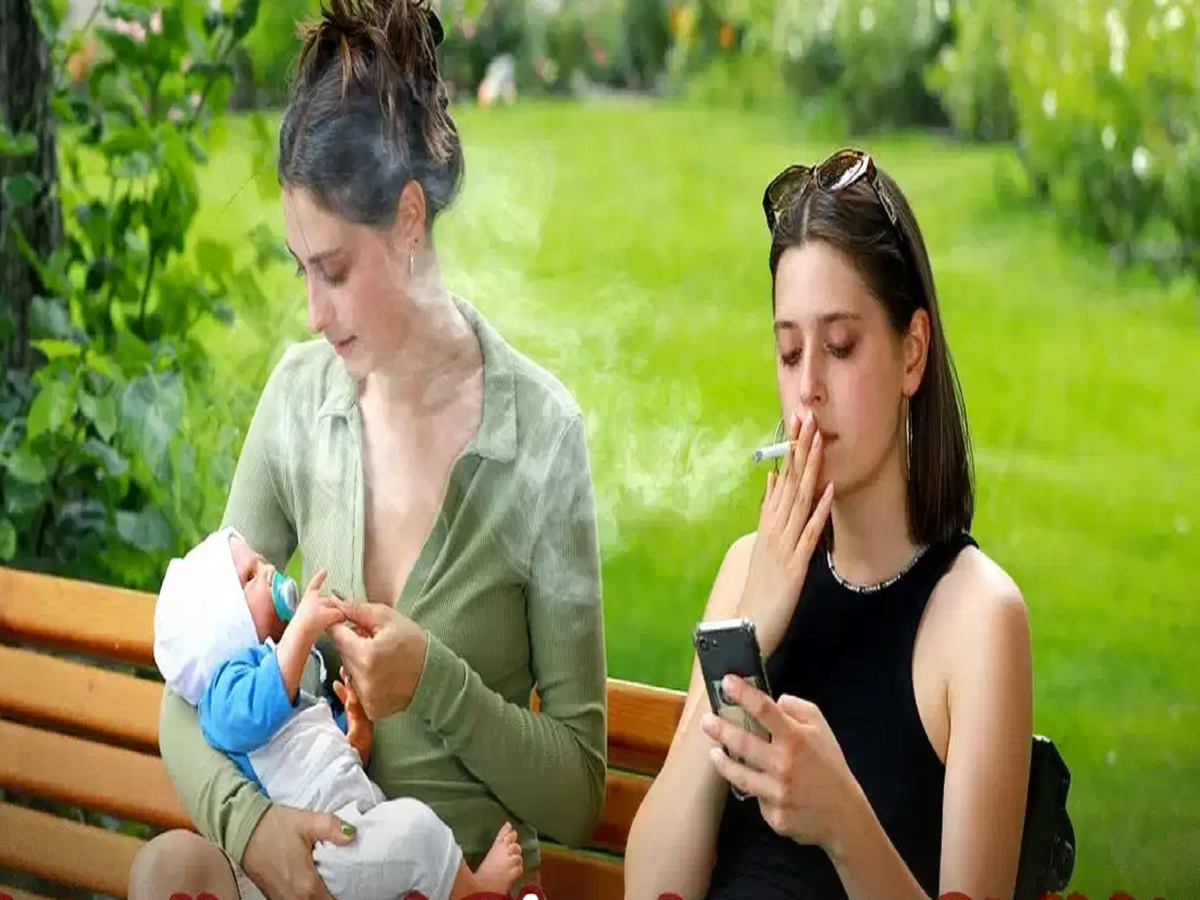
You may never have smoked a cigarette in your life, but that doesn't necessarily mean you're safe from the harmful effects of tobacco. Simply being around someone who smokes can expose you to secondhand smoke, which has been linked to several serious health conditions.
A study published in The Lancet Public Health has highlighted the scale of the problem in India. According to the study, India had the second-highest number of people exposed to secondhand smoke globally in 2023, after China. An estimated 444 million Indians were exposed to secondhand smoke that year.
The health consequences are significant. Researchers estimated that exposure to secondhand smoke was associated with 325,600 deaths in India in 2023, showing how serious the issue can be even for people who don't smoke themselves.
Number of People Exposed Has Increased
Interestingly, the study found that the age-adjusted prevalence of secondhand smoke exposure in India declined over the past three decades, falling from 43.2% in 1990 to 30.6% in 2023.
However, India's growing population means the total number of people exposed has gone in the opposite direction.
The estimated number increased from around 375 million people in 1990 to 444 million in 2023, representing an increase of approximately 18.4%.
The estimated number of deaths associated with secondhand smoke also rose substantially, from around 217,700 in 1990 to 325,600 in 2023.
Women and Men Are Both Affected
The burden of secondhand smoke isn't limited to one gender.
According to the study, estimated deaths among women increased from approximately 113,400 in 1990 to 156,900 in 2023. Among men, the number increased from around 104,300 to 168,700 over the same period.
These figures highlight that people who don't smoke themselves can still face significant health risks when regularly exposed to tobacco smoke.
Millions of Healthy Years Lost
The impact isn't measured only by the number of deaths.
Researchers estimated that secondhand smoke exposure resulted in approximately 9.28 million disability-adjusted life years (DALYs) lost in India in 2023.
DALYs are used to estimate the overall burden of disease by accounting for years lost because of premature death as well as years lived with illness or disability.
In simple terms, secondhand smoke doesn't just have the potential to shorten lives—it can also reduce the number of years people spend living in good health.
Children and Women Can Be Particularly Vulnerable
Secondhand smoke can be especially concerning for children because their lungs are still developing. Exposure can increase the risk of respiratory illnesses and other health problems.
The study linked secondhand smoke exposure with several major conditions, including ischaemic heart disease, stroke, lung cancer, chronic obstructive pulmonary disease (COPD), breast cancer, type 2 diabetes, asthma and lower respiratory tract infections.
Among children, lower respiratory tract infections were identified as a major contributor to the health burden associated with secondhand smoke.
A Global Health Problem
The issue extends far beyond India. The study estimated that approximately 2.71 billion people worldwide were exposed to secondhand smoke in 2023.
This exposure was associated with an estimated 1.66 million deaths globally and approximately 44.8 million disability-adjusted life years lost.
China, India and Indonesia together account for a substantial share of the world's population exposed to secondhand smoke, with China alone accounting for an estimated 664 million exposed people.
Secondhand Smoke Is Not Harmless
The findings underline an important message: not smoking doesn't completely protect a person from tobacco-related health risks if they are regularly exposed to other people's smoke.
Reducing exposure at home, workplaces and other indoor environments can therefore be an important step towards protecting non-smokers, particularly children and other vulnerable people.
Secondhand smoke may be invisible once the cigarette is put out, but its potential impact on health can last much longer.