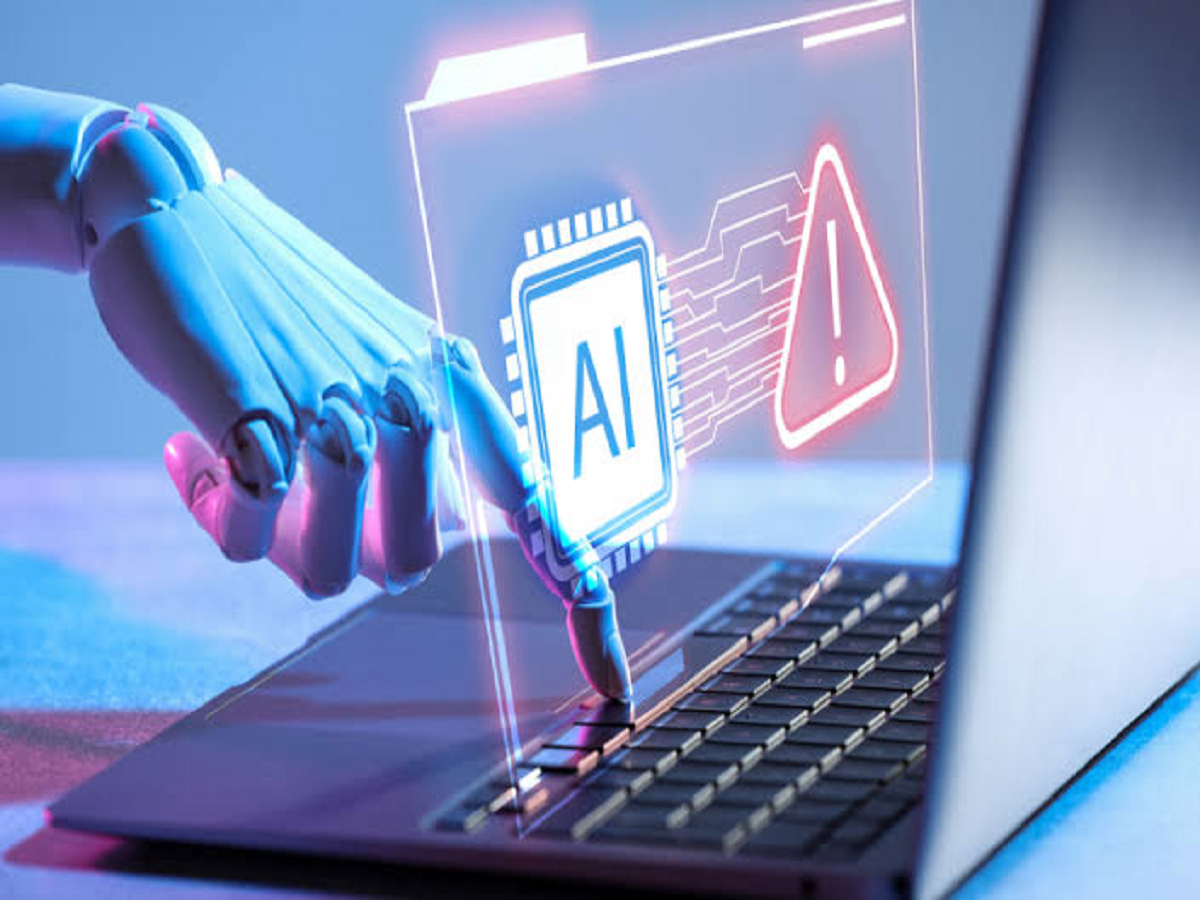
Imagine opening your laptop, asking it to summarise a lengthy document, organise your files or help you edit a photograph without sending all your information to an online server. This is becoming increasingly possible as computer manufacturers introduce a new generation of devices designed to run artificial intelligence directly on the machine.
Known as AI PCs, these computers are changing the way laptops and desktops process information. Instead of relying entirely on cloud-based AI services, they use specialised hardware to perform certain AI tasks locally.
The shift could make personal computers faster, more private and more useful for everyday work. However, it also raises questions about cost, performance and whether ordinary users really need AI-powered hardware.
What Is an AI PC?
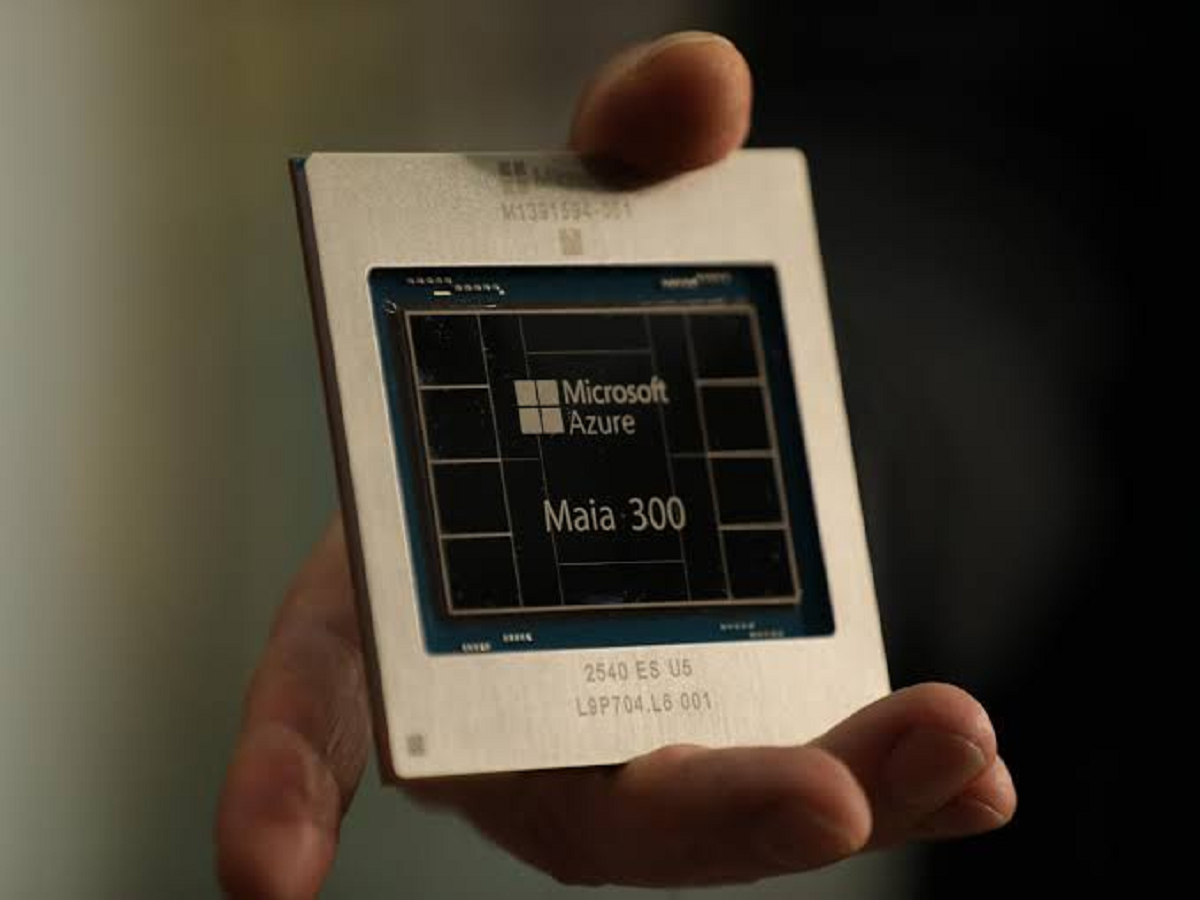
An AI PC is a computer designed with hardware that can efficiently handle artificial intelligence workloads. Many newer models include a Neural Processing Unit, commonly known as an NPU, alongside the traditional central processing unit and graphics processing unit.
Each component serves a different purpose.
The CPU handles general computing tasks, while the GPU is particularly useful for graphics and highly parallel calculations. The NPU is designed to perform certain AI operations efficiently, often using less power than alternative approaches.
This specialised hardware can help laptops run supported AI features without continuously relying on remote servers.
What Can an AI PC Actually Do?
AI capabilities vary between computers, software platforms and applications. However, several practical uses are already emerging.
1. Summarise documents and meeting notes
Supported applications can help users condense lengthy documents, extract key points and organise information. Some tools can also assist with meeting summaries and transcription.
2. Improve video calls
AI features can reduce