LIFESTYLE
A Natural Trick That Can Make Bed Bugs Disappear in Just 2 Days — Try This Plant Leaf Hack
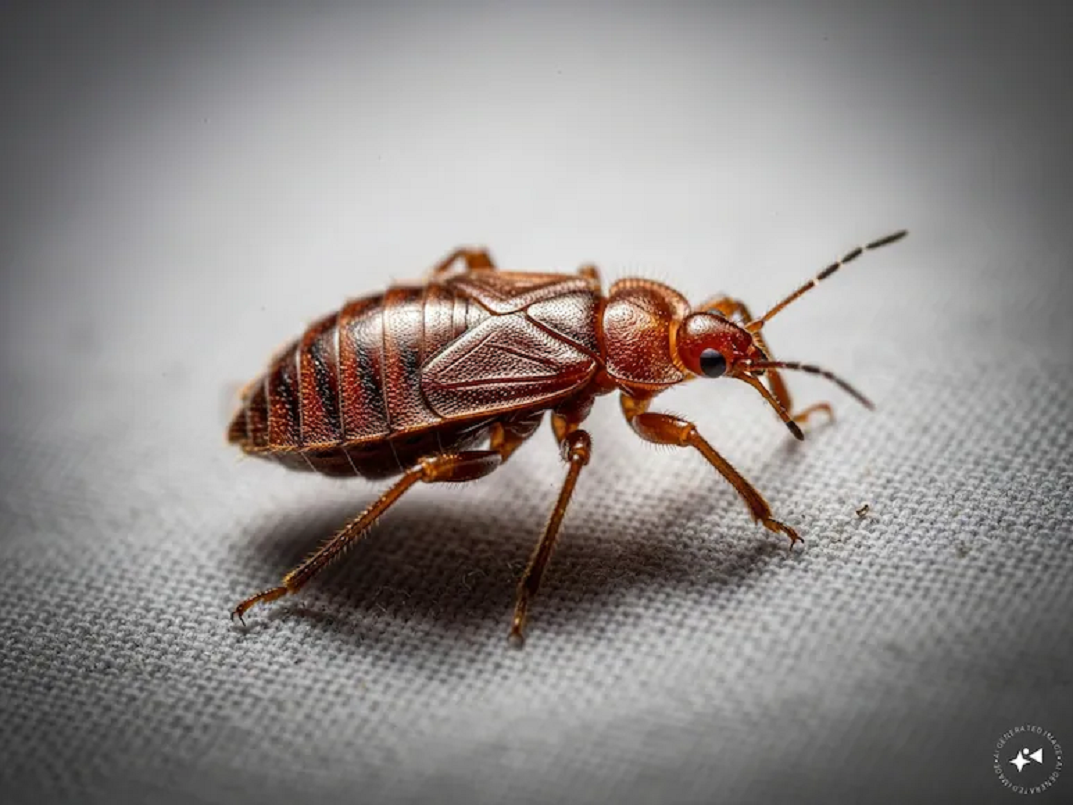
Dealing with bed bugs is one of the most frustrating problems for homeowners. These tiny, blood-sucking insects can turn your peaceful nights into a nightmare. Even after maintaining a spotless home, once bed bugs invade, they’re extremely hard to eliminate. Most people rely on chemical sprays or powders available in the market — but these usually provide only temporary relief.
However, a natural home remedy using the leaves of a common plant — Morpankhi (Thuja or cypress) — is gaining attention online. According to a gardening expert featured on the YouTube channel Hara Bhara Jeevan, placing these leaves near your bed or furniture can make bed bugs disappear within two days. Let’s explore how this simple and eco-friendly method works and what precautions you should take for lasting results.
Why Bed Bugs Are So Hard to Eliminate
Bed bugs are resilient pests that survive by feeding on human and animal blood. They usually hide in mattresses, bed frames, sofas, and small furniture cracks, making them difficult to detect. Often, they travel home through luggage, clothes, or used furniture after a hotel stay or train journey. Once settled indoors, getting rid of them completely can feel impossible.
The Expert’s Formula: Morpankhi Leaves
Morpankhi is a common ornamental plant found in Indian homes and gardens. Its sharp, pungent smell acts as a natural insect repellent. The leaves release essential oils that affect a bed bug’s nervous system, making it unbearable for them to stay nearby.
When these fresh leaves are placed in hiding spots such as under mattresses, bed corners, sofa backs, or furniture crevices, bed bugs either flee or die due to suffocation caused by the strong aroma.
Step-by-Step Method to Use Morpankhi Leaves
-
Pluck fresh leaves and small twigs from the Morpankhi plant.
-
Place them near bed bug hotspots — under the mattress, inside bed joints, behind sofas, and between furniture gaps.
-
Replace the leaves every 3–5 days once they dry out to maintain their effectiveness.
-
Continue this routine for at least two to three weeks to ensure both bugs and their eggs are eliminated.
According to experts, visible results often appear within 48 hours, as the insects directly exposed to the scent begin to vanish or die.
Does It Really Work in 2 Days?
While the remedy starts working within two days, complete elimination takes time. The Morpankhi leaves only affect active bed bugs, not their eggs. Therefore, repeating the process for a few weeks is necessary to break their life cycle.
The best part? It’s completely natural, non-toxic, and safe for children and pets, unlike chemical insecticides that may release harmful fumes.
Other Natural Alternatives
If you can’t find a Morpankhi plant, you can also try:
-
Neem leaves: Contain natural oils that repel and kill insects.
-
Mint leaves: Known for their strong aroma that drives bed bugs away.
-
Essential oils: Mix a few drops of neem or peppermint oil in water and spray on beds, curtains, and furniture for added protection.
These natural options can complement the Morpankhi remedy and enhance its results.
How to Prevent Bed Bugs from Returning
Even after removal, prevention is key. Experts recommend a few simple steps to stop bed bugs from coming back:
-
Wash bedsheets, pillow covers, and curtains in hot water weekly.
-
Expose mattresses and cushions to sunlight regularly.
-
Vacuum and clean corners, bed joints, and wall cracks frequently.
-
Avoid bringing old or second-hand furniture home without inspection.
When combined with natural remedies like Morpankhi leaves, these preventive measures ensure long-term protection and peace of mind.
The Bottom Line
The humble Morpankhi plant may be the eco-friendly solution you’ve been looking for. With its powerful aroma and natural oils, it helps drive away bed bugs without any chemicals or side effects. Though patience is required, consistent use of this remedy — along with good hygiene practices — can help you achieve a bed-bug-free home naturally.