LIFESTYLE
Debunking the "No-Wheat" Trend: Is Your Daily Roti Secretly Harming Your Health? Here is What an Expert Says
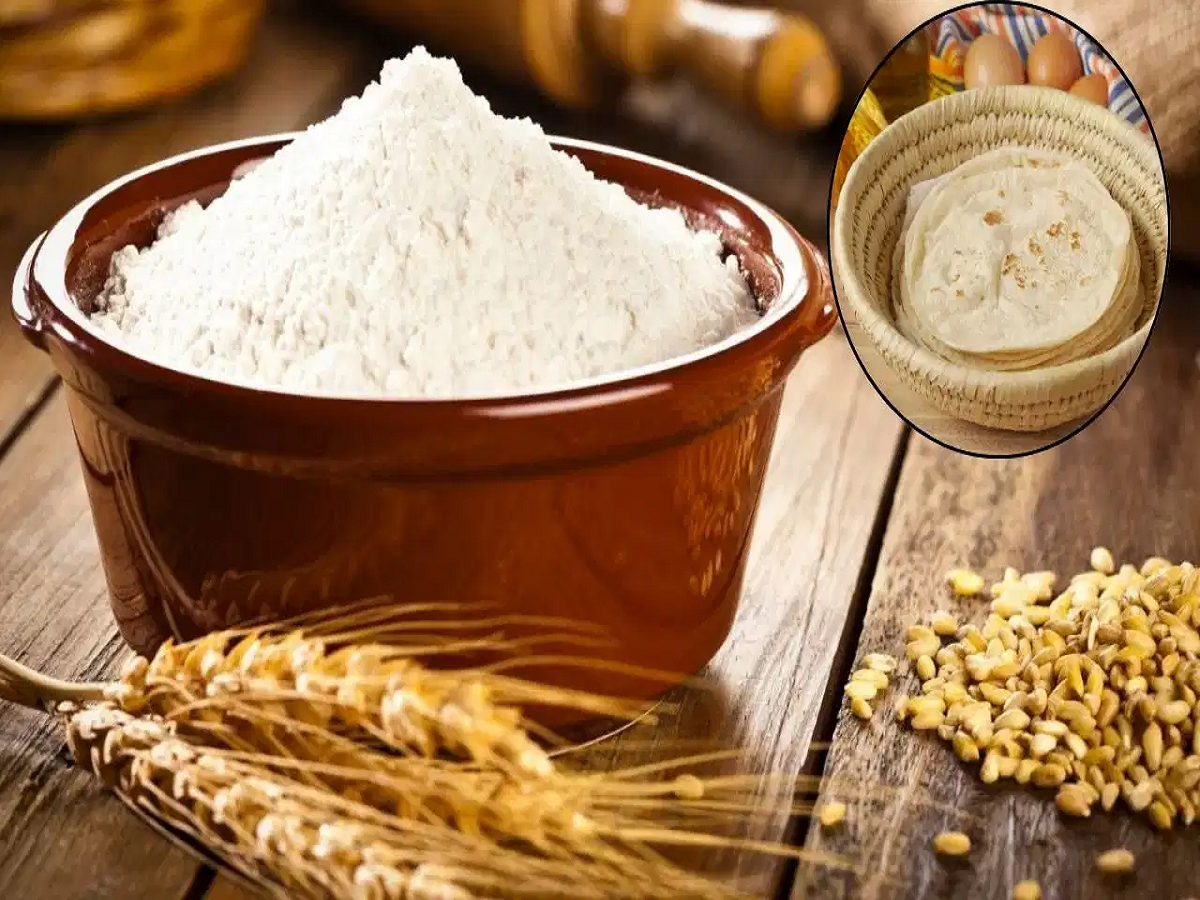
Wheat flour (atta) is the undisputed cornerstone of the Indian kitchen. From soft, puffed rotis at dinner to flaky parathas for breakfast, it is a staple most of us consume multiple times a day. Despite this long-standing culinary tradition, a massive "no-wheat" movement is currently dominating social media. Fitness influencers and wellness enthusiasts are completely banishing wheat flour from their kitchens, claiming it drives obesity, triggers systemic inflammation, and opens the door to chronic illnesses.
But does our humble daily roti genuinely increase the risk of serious diseases?
To separate social media myths from medical reality, we look to Dr. Shubham Vatsya, a leading medical expert from Fortis. According to Dr. Vatsya, wheat flour is not inherently a toxic poison, but consuming it incorrectly or in excessive amounts can absolutely trigger adverse side effects in the human body.
The Gluten Complex and the Risk of Daily Staples
Dr. Vatsya explains that wheat is a complex carbohydrate that is naturally dense in gluten—a structural protein matrix. For individuals suffering from celiac disease, non-celiac gluten sensitivity, or specific gut inflammatory markers, wheat must be strictly avoided.
However, even for individuals without gluten sensitivities, relying solely on highly processed or unmanaged quantities of refined wheat flour every single day carries health risks. Overconsumption can cause rapid blood sugar spikes, which over time can contribute to stubborn weight gain, insulin resistance, and a higher risk of developing conditions like fatty liver disease.
Why You Don't Need to Ban Whole Wheat Entirely
The good news is that you do not need to radically eliminate wheat from your life to stay healthy and fit. Instead of total restriction, the secret lies in portion control and strategic culinary modifications that naturally lower the flour's glycemic index (GI), stopping sudden glucose spikes in their tracks.
By blending traditional grains into your standard wheat flour, you can easily upgrade your daily meals into nutrient-dense, health-optimized alternatives tailored to your body's specific needs:
-
For Blood Sugar Management: If you are managing diabetes or pre-diabetes, blending jowar (sorghum) flour with your wheat flour can create a low-GI alternative that stabilizes blood sugar.
-
For Muscle Growth & Satiety: If you want to increase your daily protein intake to stay full longer or support post-workout recovery, mixing in millet (bajra) flour adds essential amino acids and dietary fiber.
-
For Combatting Anemia: To naturally treat iron deficiencies and boost bone density, adding calcium-dense ragi (finger millet) flour into your dough provides a powerful nutritional upgrade.
The Bottom Line: The viral social media panic demanding a total boycott of wheat flour lacks nuanced medical backing. You do not need to abandon your culinary heritage to achieve your fitness goals. By practicing moderation and transforming your standard atta into a diversified multi-grain blend using ragi, jowar, or bajra, you can enjoy your favorite meals while supporting weight loss, stabilizing blood sugar, and nourishing your body from the inside out.