AUTO
Diwali 2026 Gets Costlier! From Sweets and Dry Fruits to TVs and ACs, Check How Much Prices Have Increased Since Last Year
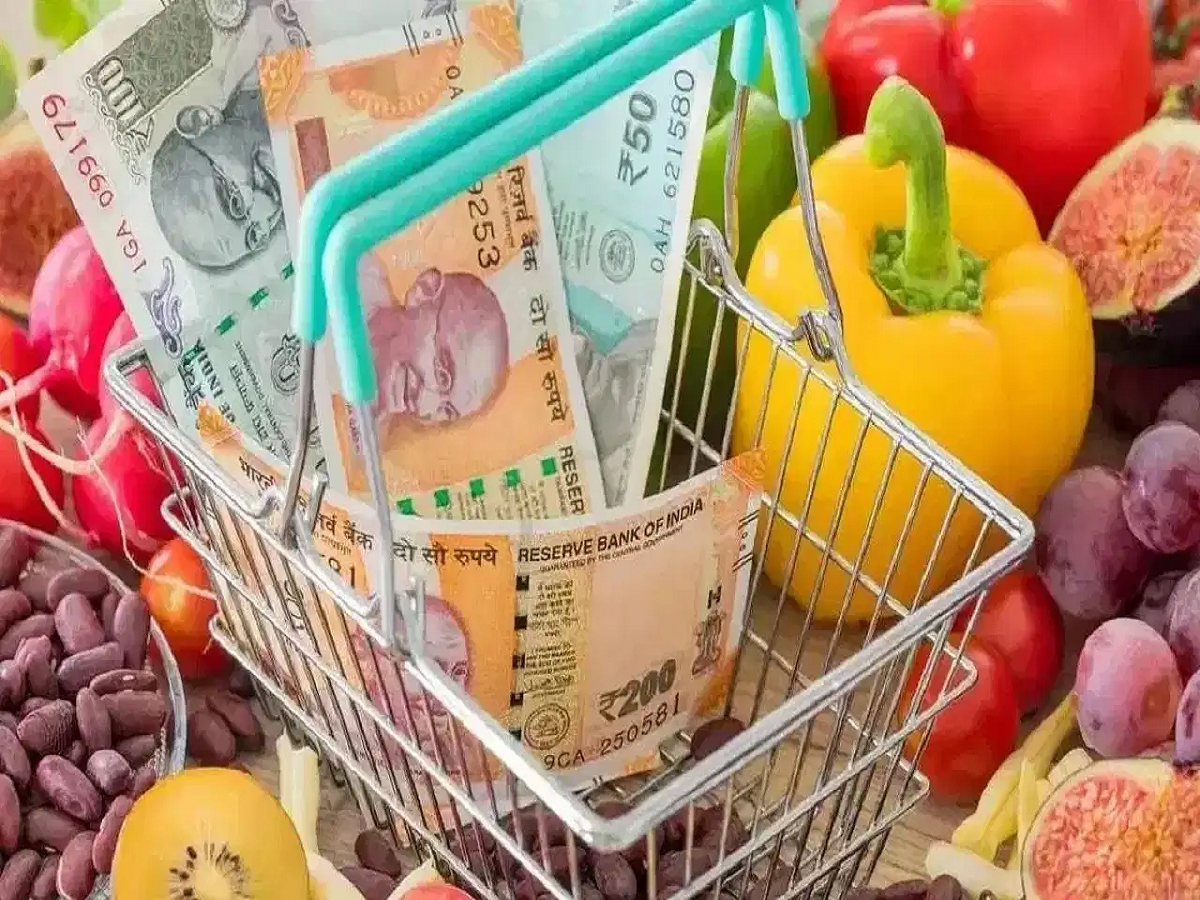
Diwali is traditionally a time for celebrations, sweets, shopping and exchanging gifts. However, this year's festive season could put additional pressure on household budgets. From homemade laddus and kaju katli to dry fruits, dairy products and electronic appliances, several categories have become more expensive compared to last Diwali.
The rising prices of milk, ghee, butter, almonds, pistachios and other essential ingredients have increased the cost of preparing traditional sweets. At the same time, electronic products such as televisions, refrigerators, air conditioners and washing machines have also witnessed price hikes.
These increases are affecting not only consumers but also sweet manufacturers, retailers and businesses preparing for the festive rush. Here is a closer look at how prices have changed since last Diwali.
Milk, Ghee and Butter Become More Expensive
Demand for dairy products generally increases during the festive season, particularly because milk, ghee and butter are essential ingredients in traditional Indian sweets.
However, several dairy companies, including Amul, Nandini and Aavin, have revised the prices of their products.
According to the figures mentioned in the report, Amul has increased the price of its 1 kg ghee pack from ₹630 to ₹680. Similarly, the 500-gram pack now costs ₹345 instead of ₹325.
Butter prices have also increased:
-
100-gram Amul butter pack: ₹66, up from ₹63.
-
500-gram Amul butter pack: ₹325, up from ₹310.
Karnataka's Nandini Dairy has also revised the prices of ghee, butter, cheese and milk, with the new rates effective November 4.
Its 500 ml ghee pack now costs ₹425, while the 1-litre pack is priced at ₹850. The price of 100 grams of butter has increased to ₹90, while the 500-gram pack costs ₹380.
Tamil Nadu's Aavin has also increased the prices of several products. Its 100 ml ghee pack now costs ₹95, compared to ₹80 earlier. Similarly, the price of its 200 ml ghee pack has increased from ₹160 to ₹180.
Dry Fruits Become Costlier: Pistachios See the Biggest Jump
Dry fruits are an important ingredient in festive sweets, gift hampers and traditional Diwali preparations. Unfortunately, their rising prices have become another concern for consumers.
According to an Economic Times report, some dry fruit varieties have witnessed price increases of up to 70% over the past year.
Pistachios have experienced particularly sharp increases, with prices rising by approximately 60–70% compared to last Diwali. Almond prices have also increased by around 20–40%, depending on the variety.
Peshawari pistachios, commonly used in premium sweets, have reached approximately ₹4,000 per kg. Their prices have reportedly increased by around 40% in just six months.
Other dry fruits have also become more expensive:
-
Cashews: Prices increased by 5–8%.
-
Raisins: Prices increased by 2–5%.
-
Dates: Prices increased by 5–10%.
-
Figs: Prices increased by 5–15%.
These increases are likely to affect the prices of premium sweets, dry fruit boxes and festive gift packages.
Food Inflation Adds to Household Expenses
The rising cost of festive ingredients is also reflected in India's retail inflation figures.
According to the data cited in the report, retail food inflation reached 7.74% in September 2026, while overall retail inflation stood at 5.54%, approaching the Reserve Bank of India's upper tolerance limit of 6%.
Sugar prices also witnessed a substantial increase, recording year-on-year inflation of 29.8% in September.
The Reserve Bank of India has expressed concerns about the broader inflation situation. RBI Governor Sanjay Malhotra reportedly highlighted that 37% of items recorded inflation above 4% in August, compared to 20% in March.
Higher prices of food ingredients can directly affect sweet manufacturers, restaurants and households preparing festive meals.
Electronic Items Have Also Become More Expensive
The impact of inflation is not limited to food and household essentials. People planning to purchase new electronic appliances during Diwali may also have to spend more this year.
According to media reports, prices of electronic products, including air conditioners, televisions, refrigerators and washing machines, have collectively increased by approximately 23% over the past year.
Manufacturers have reportedly implemented three rounds of price increases during this period. The latest revision, introduced shortly before the festive season in October 2026, involved increases ranging from 3% to 8%.
This could make festive shopping more expensive for families planning to upgrade their home appliances or purchase electronics as gifts.
How Will Rising Prices Affect Your Diwali Budget?
The increase in prices across multiple categories means that consumers may have to reconsider their festive spending plans.
A household purchasing sweets, dry fruits, dairy products, decorative items and electronic appliances could experience a noticeable increase in its overall expenses.
Sweet shops may also face higher production costs because of expensive ingredients such as ghee, butter, sugar and pistachios. These additional costs could eventually be reflected in retail sweet prices.
For consumers, comparing prices across different stores, purchasing essential ingredients in advance and setting a fixed festive shopping budget can help manage expenses.
This Diwali, the celebrations may remain just as grand, but the cost of enjoying them could be considerably higher than last year. From a box of kaju katli to a new television, consumers may need to spend more carefully to keep their festive budgets under control.