Raising a child goes far beyond providing food, clothing, and education. Just like a plant needs proper care to grow into a strong tree, children require guidance, discipline, and values to develop into responsible individuals. Teaching good manners is a vital part of this process, helping children build confidence and leave a positive impression in social settings.
Experts believe that instilling basic etiquette from an early age not only shapes a child’s personality but also reflects the upbringing they receive at home. Here are five essential manners every parent should focus on.
Politeness and Basic Courtesy
Children should learn the importance of words like “please,” “thank you,” and “sorry.” Greeting others with respect—whether it’s a simple “hello,” “good morning,” or “namaste”—helps build social confidence. Learning to apologize sincerely is equally important, as it teaches accountability and empathy.
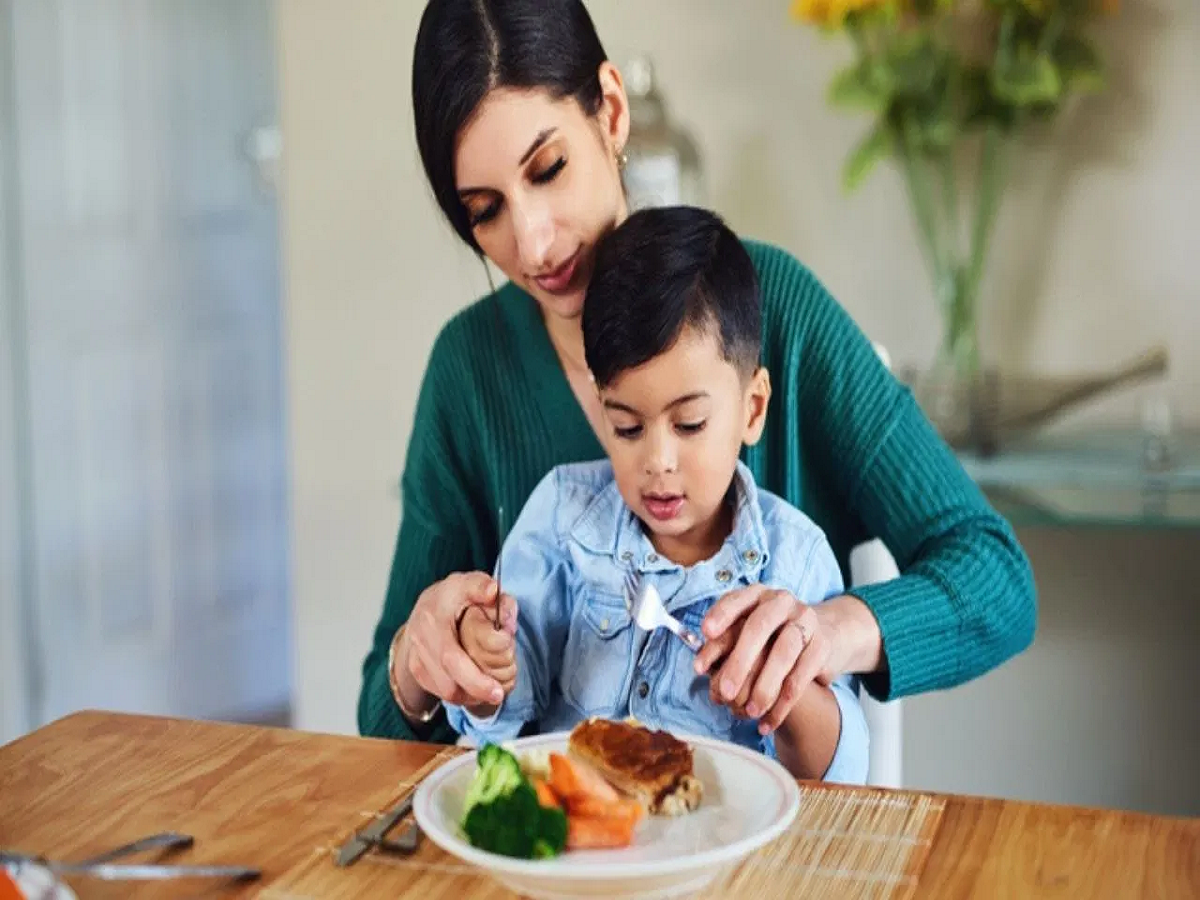
Table Manners Matter
Basic dining etiquette is crucial for social interactions. Children should be taught to wash their hands before eating, sit properly at the table, chew food with their mouth closed, and avoid making noise while eating. These habits ensure they behave confidently in public and during social gatherings.
Communicate Calmly and Clearly
Many children tend to shout or interrupt while speaking. Parents should encourage them to express themselves calmly and clearly. Listening patiently to children also plays a key role, as it helps them feel valued and teaches them to communicate respectfully.
Respect for Privacy and Boundaries
Teaching children to knock before entering a room and to ask permission before using someone else’s belongings instills respect for personal space. Understanding boundaries from a young age helps them develop healthy social behavior later in life.
Lead by Example
Children learn most effectively by observing their parents. Consistently demonstrating good manners at home reinforces these values and makes it easier for children to adopt them naturally.
A Gradual Learning Process
Developing good manners is not a one-day task but a continuous process. With patience, consistency, and the right example, parents can nurture well-mannered children who are respected and appreciated in every social setting.