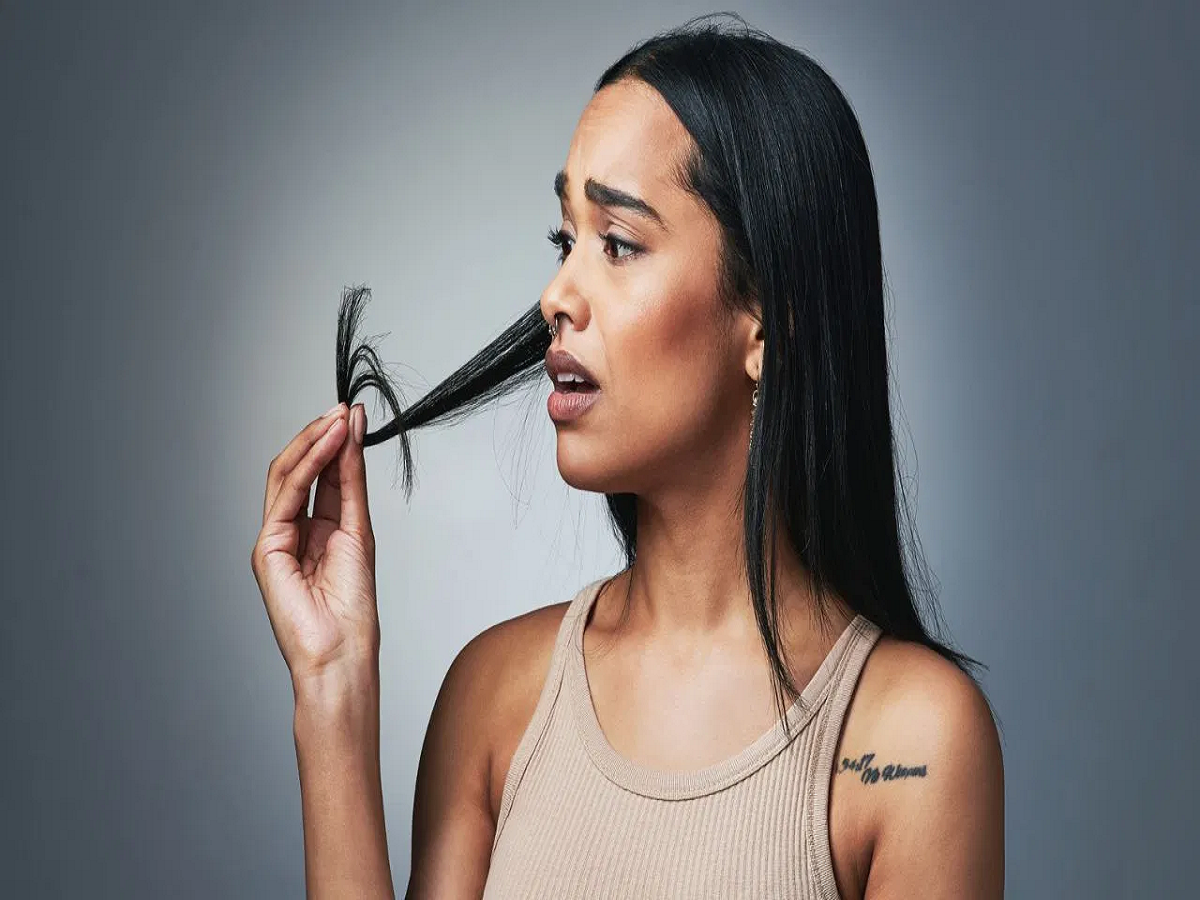
Healthy, shiny hair is often seen as a sign of good overall well-being, yet many people today complain about worsening hair quality. Issues like hair fall, thinning, and especially split ends have become extremely common, particularly among women. While dust, pollution, and sunlight are often blamed, they are not the only culprits behind damaged hair.
Even after investing in expensive shampoos, conditioners, and hair treatments, many people fail to see improvement. The reason? The real causes often lie deeper—within our daily habits, lifestyle choices, and internal health. Understanding these hidden factors is the first step toward effectively controlling split ends and restoring your hair’s strength and shine.
Why Understanding the Root Cause Matters
Hair damage is not always visible from the outside. Many people unknowingly follow incorrect hair care routines or use unsuitable products, which can worsen the condition instead of improving it. Identifying the actual cause of split ends allows you to adopt the right solutions and avoid long-term damage.
Common Causes of Split Ends Beyond Dust and Dirt
1. Hormonal Imbalance
Hormones play a crucial role in regulating hair growth and strength. Conditions such as thyroid disorders, PCOS, or even pregnancy can disrupt hormonal balance. When this happens, hair becomes weak, loses moisture, and appears dull. Fragile strands are more likely to split at the ends, making the problem worse over time.
2. Lack of Essential Nutrients
Just like your skin, your hair also depends on proper nutrition. Deficiency of key nutrients such as iron, biotin, vitamin D, zinc, and protein can weaken hair structure. Without these nutrients, hair becomes brittle, breaks easily, and develops split ends. A balanced diet is essential for maintaining healthy, resilient hair.
3. Dehydration
Not drinking enough water doesn’t just affect your body—it also impacts your hair. When the body is dehydrated, hair strands lose their natural moisture, becoming dry, rough, and prone to breakage. This dryness often leads to split ends, making hydration a key factor in hair care.
4. Stress and Lifestyle Factors
Chronic stress can negatively affect your entire body, including your hair. Stress triggers hormonal changes that disrupt the natural hair growth cycle. As a result, hair becomes weak, falls more frequently, and develops split ends. Managing stress is just as important as external hair care.
5. Improper Hair Combing Habits
One of the most overlooked causes of split ends is rough handling of hair. Wet hair is especially delicate. Combing it aggressively or pulling through tangles can cause breakage and lead to split ends. Repeating this habit regularly can significantly damage hair quality over time.
Simple Ways to Fix and Prevent Split Ends
While split ends cannot be permanently repaired, they can be managed and prevented with the right approach:
- Trim your hair regularly to remove damaged ends and prevent further splitting
- Avoid excessive heat styling such as straighteners and curling irons
- Use a wide-tooth comb, especially on wet hair, to reduce breakage
- Stay hydrated and maintain a nutrient-rich diet
- Apply natural oils or hair serums to retain moisture
- Limit chemical treatments like coloring and rebonding
Final Thoughts
Split ends are not just caused by external factors like dust and pollution—they are often a result of internal imbalances and everyday habits. By paying attention to your diet, hydration, stress levels, and hair care routine, you can significantly reduce damage and improve hair health.