TECH
Your smartphone battery could last much longer! New battery technology promises faster charging and improved performance
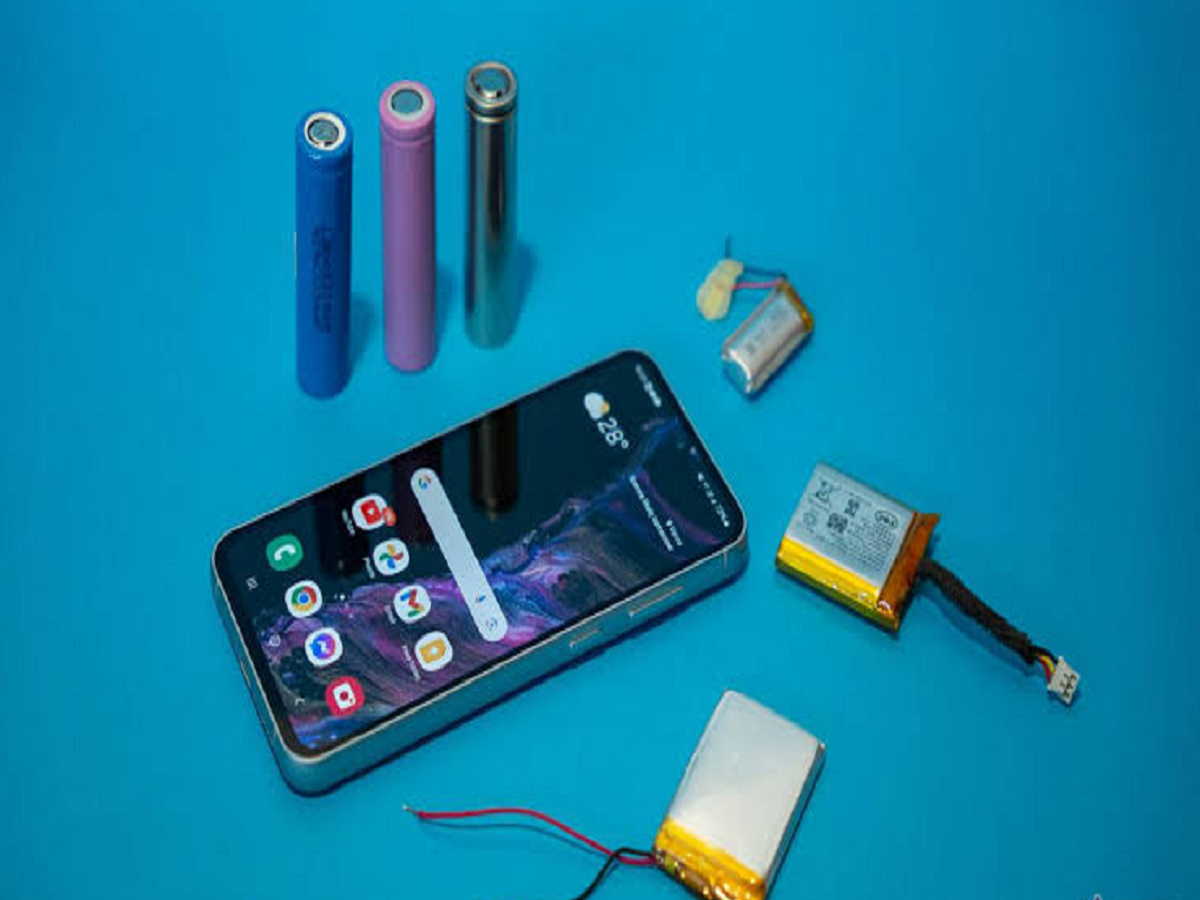
Smartphones have become an essential part of everyday life, but battery performance remains a major concern for users. Whether someone is travelling, working or watching videos, running out of battery at the wrong time can be frustrating. Although smartphone manufacturers have introduced faster charging systems and larger batteries, the technology is still evolving. Now, a new generation of silicon-carbon battery technology is attracting attention because it promises higher energy capacity without significantly increasing battery size.
What is silicon-carbon battery technology?
Most conventional smartphones use lithium-ion batteries with graphite-based anodes. These batteries have become increasingly efficient over the years, but there are physical limitations to how much energy they can store within a particular space.
Silicon-carbon technology attempts to improve this capacity by incorporating silicon into the battery anode. Silicon can theoretically store considerably more lithium ions than graphite, allowing manufacturers to develop batteries with higher energy density.
In simple terms, this technology could allow smartphone companies to fit larger-capacity batteries into devices without making them considerably thicker or heavier.
Why are smartphone companies interested in this technology?
One of the biggest challenges for smartphone manufacturers is balancing battery capacity with device design. Consumers want slim smartphones with large displays, powerful processors and advanced cameras, but these features also consume considerable energy.
Silicon-carbon batteries could help manufacturers address this challenge. Instead of increasing the physical size of a smartphone, companies may be able to offer higher battery capacities within a similar design.
Some smartphone manufacturers have already started introducing devices with silicon-carbon batteries, particularly in the premium and performance-focused segments.
Could this technology reduce charging time?
Higher battery capacity does not automatically mean faster charging. Charging speed depends on several factors, including battery chemistry, thermal management, charging hardware and software controls.
However, silicon-carbon battery development is taking place alongside improvements in fast-charging technology. Together, these advancements could make it possible for smartphones to offer both longer battery life and shorter charging times.
Manufacturers will still need to ensure that faster charging does not create excessive heat or accelerate battery degradation.
Will silicon-carbon batteries last longer?
Battery lifespan is another important consideration. Smartphone batteries gradually lose their ability to hold charge after repeated charging and discharging cycles.
Silicon expands significantly when lithium ions enter its structure during charging. This expansion can create mechanical stress and affect long-term battery performance.
To overcome this problem, manufacturers are developing advanced silicon-carbon compositions and battery structures that help manage expansion and improve stability.
The actual lifespan will depend on the battery design, charging conditions and quality of manufacturing. Therefore, a higher-capacity battery should not automatically be considered a longer-lasting battery in terms of years of usage.
What does this mean for future smartphones?
If the technology continues to improve, future smartphones could offer substantially better battery performance without compromising their slim designs. Users may eventually get devices that comfortably last longer on a single charge while supporting increasingly demanding applications.
The technology could also become important for tablets, laptops and other portable electronic devices where battery capacity and physical size are major considerations.
However, silicon-carbon batteries are not a universal solution to every battery-related problem. Manufacturing costs, thermal management, charging efficiency and long-term durability will determine how widely the technology is adopted.
For smartphone users, the biggest advantage could be simple: more battery capacity in a device that still feels comfortable to carry.