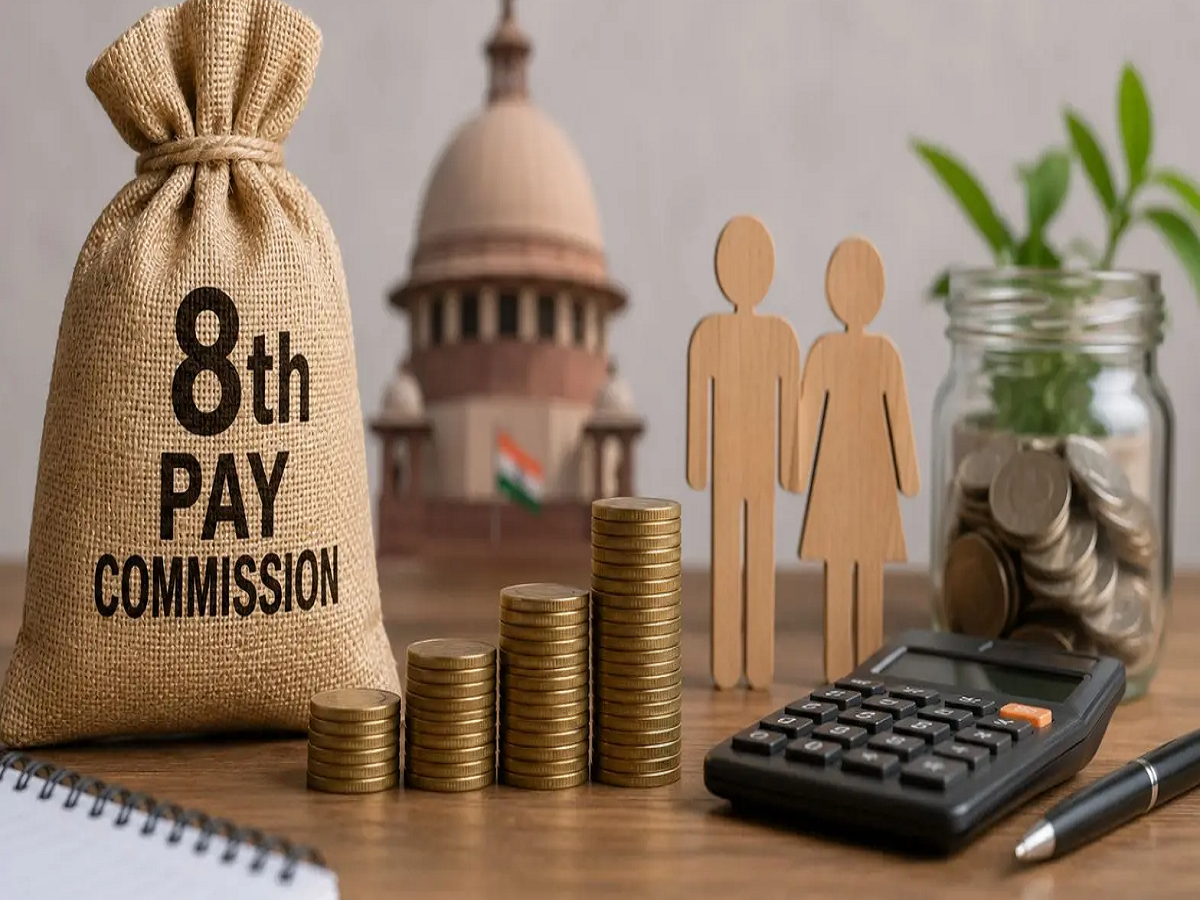
8th Pay Commission Update: 5 Major Developments Central Government Employees and Pensioners Should Know


The 8th Central Pay Commission has entered an important phase of its work. Nearly half of its 18-month timeline has elapsed, and the Commission is continuing consultations with employee unions, pensioner associations, and government organisations across the country before finalising its recommendations on salaries, pensions, allowances, and other service-related matters.

Here are five key updates.

1. Stakeholder Meetings Continue Across India

The Commission has announced another round of consultations with recognised employee and pensioner organisations.

Recent schedules include:

  • Delhi: Meetings held in August.
  • Chennai: Consultations scheduled for September.
  • Puducherry: Stakeholder interaction planned in September.
  • Chandigarh: Meetings scheduled for 16–18 September 2026, with applications invited from eligible organisations.

These meetings are intended to gather suggestions before the Commission prepares its final recommendations.

2. No Mandatory Progress Reports to the Government

The Ministry of Finance has clarified in the Rajya Sabha that the 8th Pay Commission is not required to submit periodic progress reports to the Central Government while conducting its consultations.

The Commission has been given the flexibility to decide its own consultation process under its Terms of Reference and will submit its final report after completing its work.

3. Fitment Factor Remains Under Discussion

One of the most closely watched issues is the fitment factor, which determines the revision of basic pay and pensions.

Several employee organisations, including NC-JCM, BPMS, and AIDEF, have reportedly demanded a fitment factor in the range of 3.8x to 4.0x. However, no official fitment factor has been approved or announced by the Commission or the government so far.

4. Employee and Pensioner Feedback Is Being Collected

The Commission is using regional consultations to gather views on several important issues, including:

  • Pay structure.
  • Pension reforms.
  • Allowances.
  • Employee welfare.
  • Service conditions.

The feedback received during these discussions will help shape the Commission's recommendations before they are submitted to the government.

5. Final Recommendations Expected in 2027

The 8th Pay Commission was constituted with an 18-month timeline to complete its work.

Based on the notified schedule, the Commission is expected to submit its report around May–June 2027, after which the Central Government will examine the recommendations before taking a decision on implementation.

What Employees Should Keep in Mind

While discussions on higher salaries, revised pensions, allowances, and the fitment factor continue, no final recommendations have been made yet. Figures circulating on social media regarding salary hikes or the fitment multiplier remain speculative unless officially announced.

For now, the Commission's focus remains on nationwide consultations with stakeholders before preparing its final report. More clarity on pay revisions will emerge only after those recommendations are submitted and considered by the government.

I can also provide an estimated salary table under different fitment factor scenarios (such as 2.86x, 3.0x, 3.5x, and 3.8x) to show how basic pay could change if any of those proposals are eventually adopted.