TECH
AI Smart Glasses Are Getting Smarter, But There’s a Big Problem: Are They Putting Your Privacy at Risk?
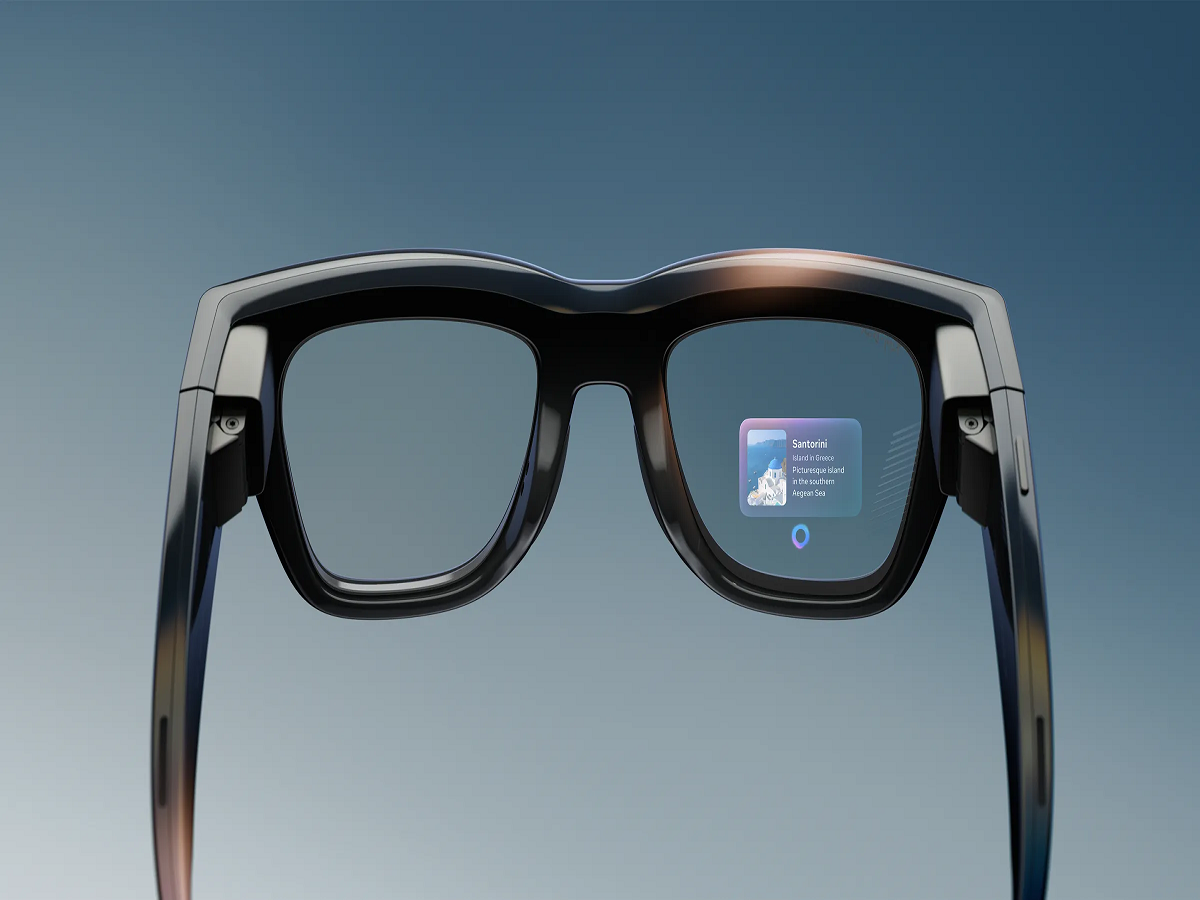
Artificial intelligence is rapidly moving beyond smartphones and computers. Smart glasses, AI pins and other wearable devices are emerging as the next big category in consumer technology, allowing users to interact with AI while keeping their hands free.
But as these devices become more capable, a major concern is also growing: privacy.
AI-powered wearables can see, hear and respond to what is happening around the user. While that can make everyday tasks more convenient, it also raises questions about whether people nearby know when they are being recorded or analysed.
Why are AI smart glasses becoming popular?
Unlike conventional smart glasses, newer AI-powered devices are designed to act as personal assistants.
Depending on the model, users can interact with an AI assistant through voice commands, ask questions about their surroundings, receive information and perform tasks without reaching for their phone.
Companies are increasingly looking at glasses as a potential new computing platform. The idea is to make technology feel more natural by allowing users to access digital information while continuing to look at the real world.
The camera creates a privacy problem
The biggest concern is the camera.
Smart glasses equipped with cameras can potentially capture people, conversations and surroundings without those individuals knowing exactly when the device is being used.
This has already triggered privacy concerns around AI-equipped glasses, with some venues reportedly restricting their use. Legal challenges and public criticism have also increased as these products become more common.
The issue is particularly complicated because the wearer may be able to activate the device quickly and discreetly.
Companies are exploring camera-free designs
Technology companies are now looking at ways to reduce these concerns.
One approach is to develop smart glasses without cameras. Another is to provide highly visible recording indicators so people around the wearer can more easily recognise when the device is capturing information.
Other AI wearable products are also experimenting with different designs, including pins, pendants and voice-recording devices that connect to smartphones.
AI needs to become more transparent
Privacy experts and technology executives have increasingly highlighted the importance of giving users greater control over their personal data.
One possible solution is processing more information directly on the device rather than automatically sending everything to cloud servers. Local processing could reduce the amount of sensitive information that needs to leave the wearable device.
However, this approach also depends on how much computing power and storage the device has.
Could smart glasses replace smartphones?
Technology companies increasingly see AI wearables as a possible successor or companion to the smartphone.
Smart glasses could eventually handle tasks such as navigation, translation, reminders, information searches and communication without requiring users to constantly look down at a screen.
But widespread adoption will depend on more than just technology. People also need to feel comfortable wearing devices that can potentially see and hear their surroundings.
Convenience vs privacy
AI smart glasses highlight a bigger question about the future of technology: how much privacy are people willing to exchange for convenience?
The more these devices can understand the world around us, the more useful they can become. At the same time, that same ability can create new privacy risks.
For AI wearables to become a mainstream technology, companies may need to convince not only the person wearing the device but also everyone around them that the technology can be used responsibly.