TECH
QR Code Scams Are Getting Harder to Spot: 7 Things You Should Never Do While Making Digital Payments
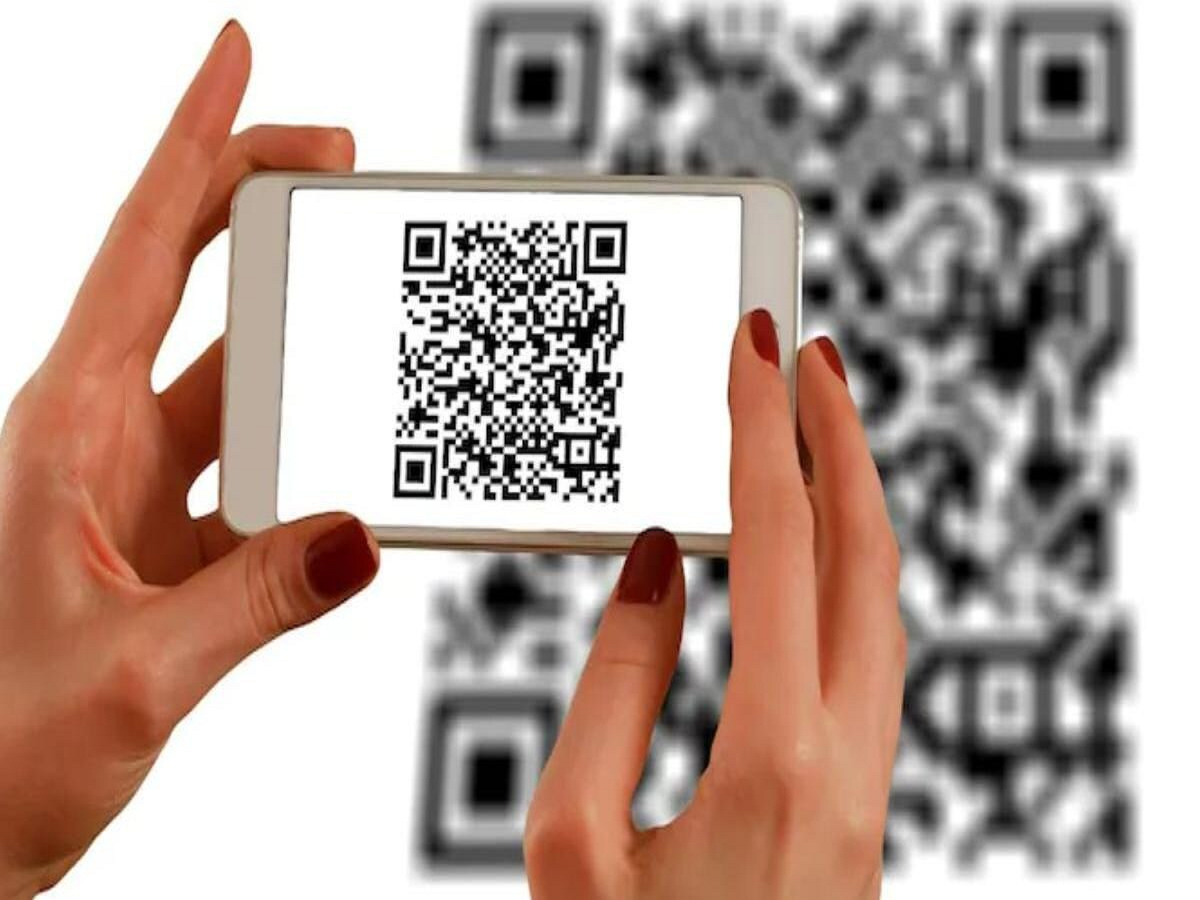
QR codes have made everyday payments incredibly convenient. Whether you are paying at a restaurant, ordering groceries, booking a cab or sending money to a friend, scanning a code can complete a transaction in seconds.
But the same convenience has created opportunities for fraudsters. A QR code can direct you to a fake website, initiate a payment request or lead you towards a fraudulent application. The biggest danger is not the QR code itself, but what happens after you scan it.
Understanding how these scams work can help you protect your money without giving up the convenience of digital payments.
How Do QR Code Payment Scams Work?
A QR code is simply a way to encode information that your phone can read. Depending on how it is created, it may contain a payment address, a website link, contact details or other information.
Fraudsters can misuse this technology in several ways. They may place a fake QR code over a genuine one at a shop, send a code through a messaging app or create a website that imitates a trusted payment service.
In some cases, victims are persuaded to scan a code to supposedly receive a refund or prize. Instead, they may be taken to a fraudulent page or tricked into authorising a payment.
Seven Mistakes You Should Avoid
1. Never Assume Scanning a QR Code Is Completely Safe
Scanning a code does not automatically transfer money, but it may open a website or payment application.
Before proceeding, check what the code actually opens. If it leads to an unfamiliar website, requests an unexpected download or asks for sensitive information, stop and verify it.
2. Do Not Enter Your UPI PIN to Receive Money
This is one of the most important rules of digital payments.
A UPI PIN is used to authorise certain payments or other permitted transactions. You generally do not need to enter your UPI PIN merely to receive money into your account.
If someone asks you to scan a QR code and enter your PIN to receive a refund, prize or payment, treat the request as suspicious.
3. Check the Recipient Before Confirming Payment
Before approving a transaction, carefully review the recipient's name and the amount displayed in your payment application.
If the displayed details do not match the person or business you intend to pay, cancel the transaction and confirm the correct payment details directly.
Do not rely solely on a QR code displayed on a screen or sent through a message.
4. Avoid QR Codes Sent by Unknown People
Be cautious if a stranger sends you a QR code claiming that it is required to release a parcel, process a refund or verify your bank account.
Contact the company through its official website or customer support number before following the instructions.
Legitimate businesses should not require you to reveal your UPI PIN, OTP or banking password to process a normal refund.
5. Never Install an App Just to Receive a Payment
Fraudsters may ask victims to install an application for payment verification, customer support or account recovery.
An unfamiliar application could request excessive permissions or expose sensitive information.
Install applications only through trusted sources and check the developer, permissions and purpose before proceeding.
6. Do Not Trust Urgent Payment Messages Blindly
Messages claiming that your account will be blocked within minutes or that you must immediately scan a code to avoid a penalty are common warning signs.
Scammers use urgency to prevent people from checking the facts.
Pause, verify the claim independently and avoid clicking links from suspicious messages.
7. Do Not Ignore Unexpected Bank Notifications
After making a payment, check the transaction confirmation in your official payment application or bank account.
If you receive an alert for a transaction you did not authorise, contact your bank immediately and report the incident through the appropriate official channel.
Acting quickly may improve the chances of limiting further losses, although recovery is not guaranteed.
What Should You Do If You Lose Money to a QR Code Scam?
If you suspect that you have been defrauded, take action immediately.
-
Contact your bank or payment service provider using its official contact details.
-
Report the suspected financial cybercrime through India's cybercrime helpline at 1930.
-
File a complaint through the official National Cyber Crime Reporting Portal.
-
Preserve transaction IDs, screenshots, messages, phone numbers and other relevant evidence.
-
Change compromised passwords and secure any accounts that may have been exposed.
Do not pay an unknown person who promises to recover your money for an advance fee.
Can a QR Code Steal Your Money Without Your Permission?
Simply scanning a QR code does not normally give someone automatic access to your bank account. However, a malicious link can expose you to phishing, harmful downloads or deceptive payment instructions.
The actual risk depends on what the code contains, the website or application it opens and the actions you take afterwards.
That is why you should treat QR codes like links: check their destination and never approve a financial transaction without understanding what you are authorising.
The Bottom Line
QR codes are useful, but they should never replace basic payment precautions. Check the recipient's details, never disclose your UPI PIN or OTP, and be especially cautious when a stranger claims that scanning a code is necessary to receive money.
If a payment request feels unusual or unnecessarily urgent, stop and verify it. A few seconds of caution can help protect your hard-earned money from digital payment fraud.