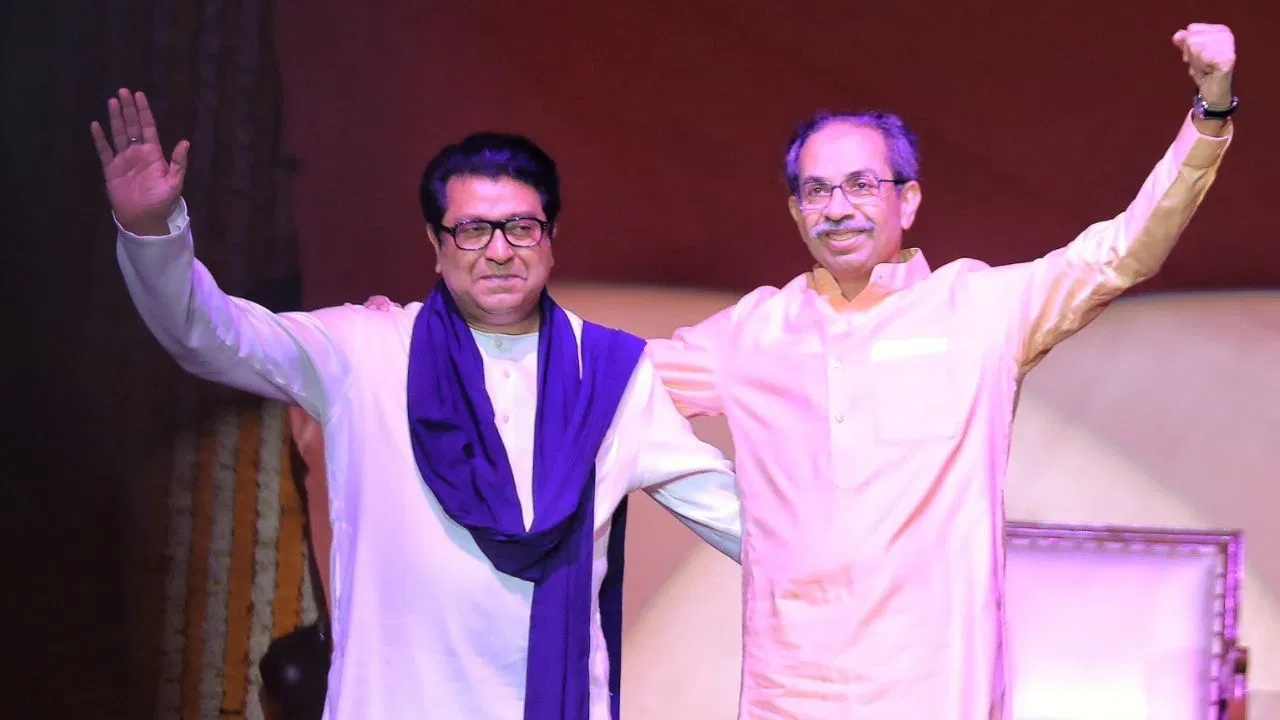
The much-publicized reunion of Uddhav and Raj Thackeray on July 5, after two decades, has sparked major speculation about a possible political alliance—or even a merger—between Shiv Sena (UBT) and Maharashtra Navnirman Sena (MNS). While Uddhav Thackeray sounded definitive, declaring “we have come together and will stay together,” Raj Thackeray remained silent on any political alignment, leaving the future of this newfound chemistry hanging in the balance.
A New Political Turn in Maharashtra?
Uddhav Thackeray, reeling from electoral setbacks and the loss of the Shiv Sena name and symbol, sees a potential opportunity to revive the Marathi Manus agenda and the Thackeray brand by joining hands with Raj. On the other hand, Raj Thackeray, whose party has been electorally marginalized, now finds himself in a position of political relevance.
Their joint protest against the state’s Hindi policy has provided the perfect backdrop to test their combined political appeal. But is this the beginning of a serious alliance or just a symbolic moment?
Alliance vs Merger: What Are the Possibilities?
-
Alliance:
-
Most likely and realistic route in the short term.
-
May focus on BMC and local body elections.
-
Seat-sharing will be the biggest challenge, especially in Mumbai, Thane, Nashik, and Pune, where both parties share a Marathi voter base.
-
Could help consolidate the Marathi vote bank against the BJP–Shinde alliance.
-
-
Merger:
-
Symbolically powerful, reviving a unified Thackeray legacy.
-
Politically complicated—there would be questions over party leadership, symbols, legacy, and identity.
-
Could alienate younger MNS cadres who were raised on anti-Uddhav sentiment.
-
May face resistance from existing Shiv Sena (UBT) and MNS leadership structures.
-
Obstacles to a Thackeray Alliance
-
No clarity from Raj Thackeray: Despite Uddhav's open call, Raj has not endorsed any alliance talk. This cautious silence shows political calculation.
-
Congress discomfort: Congress, part of the Maha Vikas Aghadi (MVA), is wary of Raj Thackeray's aggressive, right-leaning style and strong Marathi identity politics. No major Congress leader attended the July 5 rally—an ominous sign.
-
Seat-sharing headaches: Both parties will struggle to negotiate seats, especially in their overlapping strongholds.
-
Worker-level friction: Party loyalists of both sides have historically targeted each other. Street-level coordination won't come easy.
What’s at Stake for Uddhav and Raj?
-
For Uddhav Thackeray:
-
Losing BMC would be a death blow to his political survival.
-
Needs MNS to consolidate Marathi sentiment and fight BJP–Shinde juggernaut.
-
-
For Raj Thackeray:
-
MNS has no representation in the current assembly.
-
Alliance with Shiv Sena (UBT) could offer a lifeline ahead of BMC and upcoming civic polls.
-
Offers a chance to reclaim relevance in Maharashtra politics.
-
Conclusion: A Tactical Embrace or a Strategic Union?
The Thackeray brothers may have reunited visibly, but politically they remain at a crossroads. Uddhav is ready for full-fledged unity—Raj is not showing his hand. An alliance for the BMC elections seems possible, but not guaranteed. A merger, while emotionally resonant, remains unlikely in the near term.
What happens in the upcoming local body elections will be crucial. If their partnership delivers electoral dividends, a more permanent arrangement may follow. For now, the Thackeray brand has made headlines, but whether it converts into political power remains to be seen.