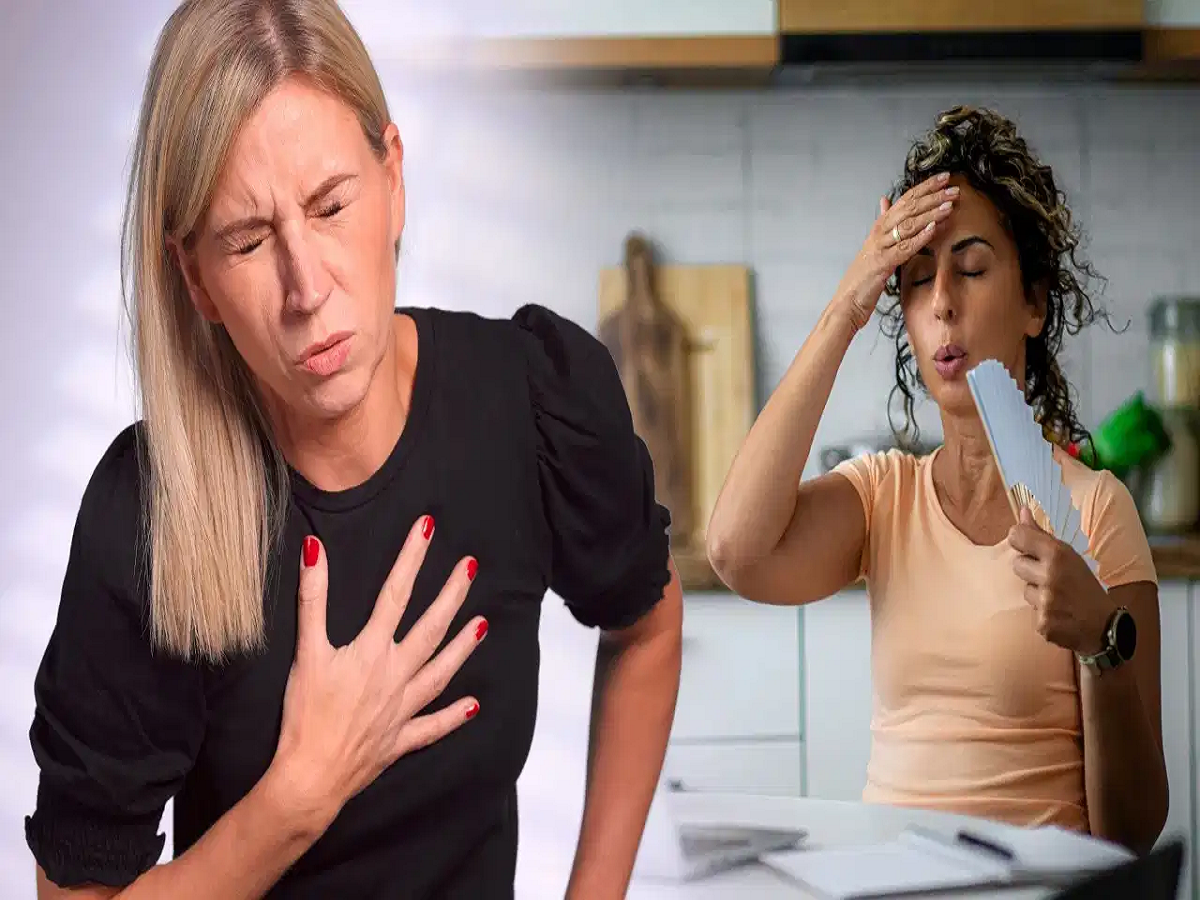
Anxiety and panic attacks can cause intense physical symptoms that may feel frightening. A racing heart, chest discomfort, sweating, dizziness, and difficulty breathing can occur during anxiety—but similar symptoms can also occur during a heart attack.
Because the symptoms can overlap, it is not always possible to safely distinguish the two based on symptoms alone. New or unexplained chest pain should therefore never automatically be assumed to be anxiety.
What happens during anxiety or a panic attack?
Anxiety or panic can cause symptoms that appear suddenly, including:
- Intense fear or a feeling that something terrible is happening
- Rapid heartbeat
- Fast breathing or shortness of breath
- Trembling or shaking
- Dizziness or light-headedness
- Sweating
- Tingling or numbness, particularly in the hands or around the mouth
- Chest tightness or discomfort
These symptoms can be extremely intense, even when there is no immediate danger to the heart.
What can indicate a heart attack?
A heart attack can cause pressure, squeezing, heaviness, tightness, or discomfort in the center of the chest. The discomfort may continue for several minutes or improve and then return.
It can also spread to the arm or shoulder, back, neck, jaw, or upper abdomen. Other warning signs can include:
- Shortness of breath
- Cold sweating
- Nausea or vomiting
- Dizziness or faintness
- Unusual or severe weakness
Women, older adults, and people with diabetes can sometimes experience less typical symptoms, so the absence of severe chest pain does not necessarily rule out a heart attack.
Why is it difficult to tell the difference?
There is considerable overlap between the two conditions. A racing heartbeat, chest discomfort, sweating, breathlessness, and dizziness can occur with both anxiety and a heart attack.
The safest way to determine the cause when symptoms are concerning is through medical evaluation. Doctors may use an ECG, blood tests such as cardiac troponin, and other examinations depending on the situation.
Don't make the mistake of ignoring chest pain
If you develop new, sudden, severe, or unexplained chest pain or pressure, particularly when it is accompanied by breathlessness, sweating, nausea, dizziness, fainting, or pain spreading to the arm, back, neck, or jaw, seek emergency medical care immediately.
Don't wait to see whether it is "just anxiety." It is much safer to have a suspected heart problem checked urgently than to delay treatment because the symptoms were assumed to be anxiety.
If you're in India and these symptoms are happening right now, call 112 or your local emergency medical service rather than trying to diagnose the cause yourself.