Buying a new car is a major financial decision, but many buyers focus so heavily on the model and discount that they overlook the dealership and paperwork. A few simple checks before making the booking payment can help you avoid expensive problems later.
1. Verify that the showroom is authorised
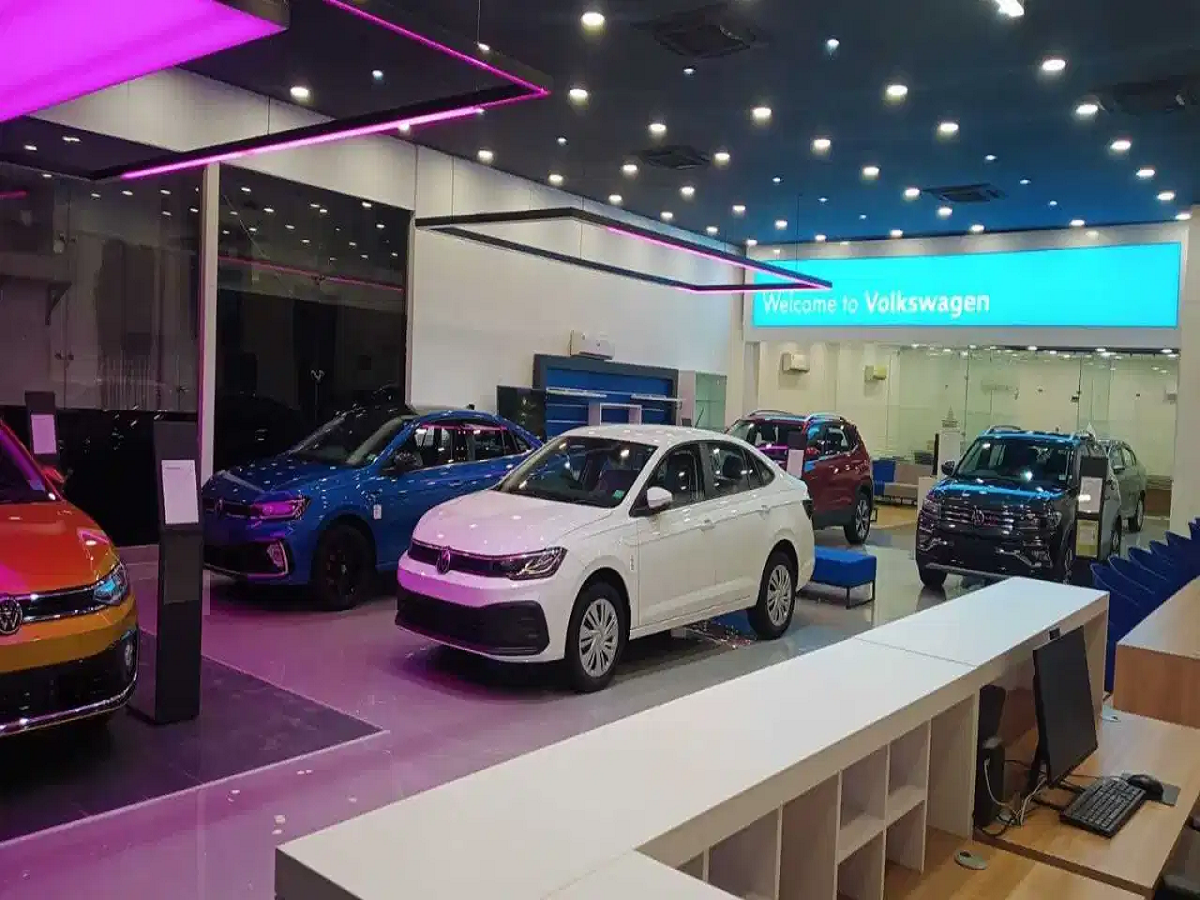
Don't assume that every showroom displaying a manufacturer's branding is an authorised dealer.
Visit the carmaker's official website and use its dealer-locator tool to check whether the showroom is part of the authorised network. If you're still unsure, contact the manufacturer's customer-care team and confirm the dealer's name and address.
2. Check the legal name on your quotation
The showroom's name and the legal entity receiving your money may not always be identical.
Before making a payment, check the quotation carefully for:
- Dealer's legal name
- GSTIN
- Dealership address
- Vehicle model and variant
- Ex-showroom price
- Insurance cost
- Registration charges
- Accessories
- Discounts and other offers
Make sure these details are consistent across the quotation, invoice and payment documents.
3. Don't pay just because of a huge discount
An unusually large discount can be tempting, particularly during the festive season. But ask exactly what the discount consists of.
Check whether it is a manufacturer discount, dealer discount, exchange bonus, corporate offer or a conditional benefit.
Also ask whether the vehicle is an older manufacturing batch or whether there are conditions attached to the offer.
4. Check the vehicle's manufacturing date
The manufacturing month and year can be particularly important if you're buying a car that has been sitting in stock for several months.
Ask the dealer for the vehicle identification details and verify the manufacturing information before accepting delivery.
A cheaper price isn't necessarily a good deal if the vehicle has been sitting unsold for a long period.
5. Don't make a large payment without documentation
Whether you're paying a small booking amount or a substantial down payment, obtain a proper receipt.
Avoid transferring money to an individual's personal bank account simply because a salesperson asks you to do so.
The payment should go to the authorised dealership's account, and the receipt should clearly identify the transaction.
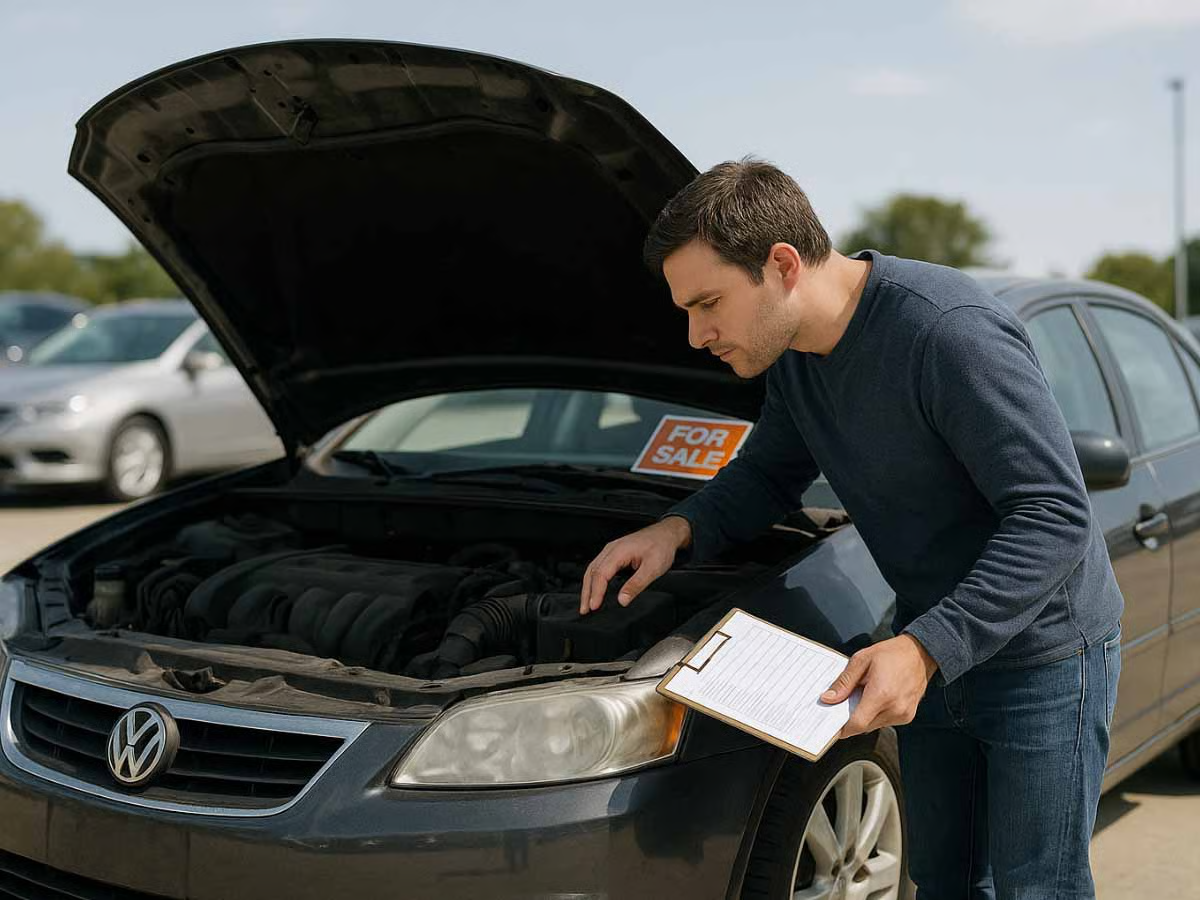
6. Inspect the car before accepting delivery
Even if you've already booked the car, don't treat the delivery inspection as a formality.
Before signing the final delivery documents, check:
- Exterior panels for scratches or dents
- Tyres and wheels
- Lights and glass
- Interior condition
- Odometer reading
- Accessories promised in the quotation
- Vehicle identification number
- Documents and insurance details
If something doesn't match what was promised, raise it with the dealer before accepting delivery.
The safest approach
A car purchase involves several different transactions—vehicle purchase, insurance, registration, financing and accessories. Don't rely solely on verbal promises from a salesperson.
Keep copies of the quotation, payment receipts, booking form, offer details and correspondence. Most importantly, verify the dealership through the manufacturer's official channel before transferring a significant amount of money.