Buying a used car can be a smart way to own a vehicle without spending as much as you would on a new one. However, a shiny exterior and an attractive price do not always mean that a car is in good condition. Hidden mechanical problems, accident damage or incomplete paperwork can turn an affordable purchase into an expensive mistake.
Before finalising a deal, it is important to inspect the vehicle carefully, verify its documents and understand its maintenance history. Here are five essential checks every buyer should make before purchasing a second-hand car.
1. Set Your Budget and Inspect the Car's Exterior
Before searching for a used car, decide how much you can afford to spend. Remember that the purchase price is only one part of the total cost. Insurance, servicing, repairs, registration transfer and future maintenance should also be included in your budget.
Choose a petrol, diesel, CNG or electric vehicle according to your daily travel requirements and running costs.
Once you find a suitable car, inspect its exterior in daylight. Look for dents, rust, uneven paintwork, scratches and gaps between body panels, as these may indicate previous repairs or accident damage.
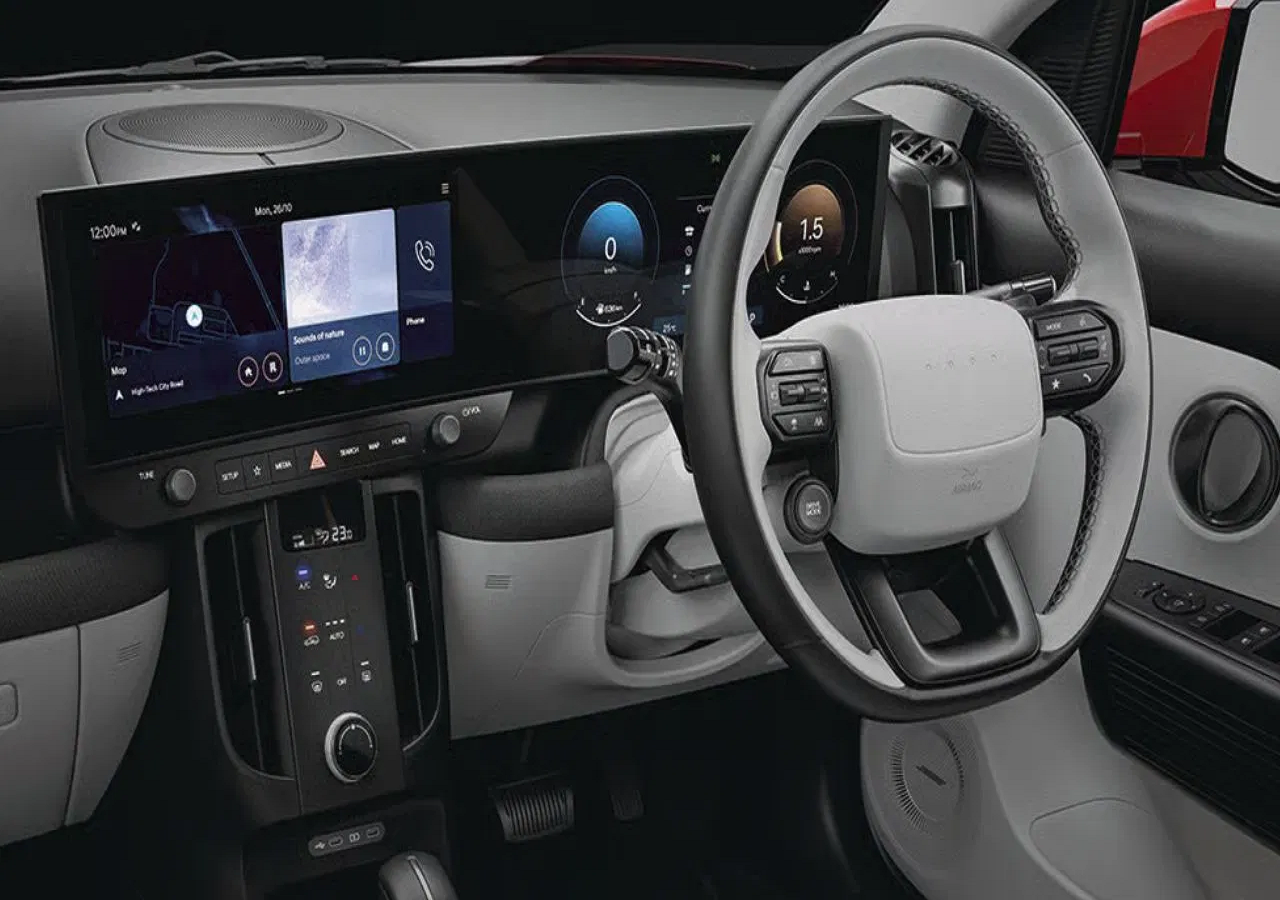
Open and close the doors, bonnet and boot to ensure they operate smoothly. Inside the cabin, examine the seats, dashboard and upholstery. Test the air conditioner, power windows, headlights, indicators, infotainment system and other electrical features.
2. Get the Engine and Mechanical Components Checked
A car may look excellent from the outside but still have serious mechanical problems. Therefore, arrange an inspection by a trusted mechanic before making a payment.
Ask the mechanic to examine the engine, transmission, clutch, brakes, suspension, tyres, battery and cooling system. Check for oil leaks, unusual noises, excessive smoke and warning lights on the dashboard.
A test drive is equally important. Drive the vehicle on different types of roads, where safe and practical, and pay attention to acceleration, steering response, braking and gear changes.
Any unusual vibration, jerking, difficulty shifting gears or strange engine noise should be investigated before proceeding with the purchase.
3. Verify All Important Documents
Checking the paperwork is just as important as inspecting the vehicle itself. Before purchasing a used car, verify the following documents:
-
Registration Certificate (RC)
-
Valid motor insurance
-
Pollution Under Control (PUC) certificate, where applicable
-
Service and maintenance records
-
Loan closure documents and confirmation of hypothecation removal, if the car was financed
-
Applicable tax and registration details
Match the engine and chassis numbers on the vehicle with the details recorded in its registration documents.
You can also use official Parivahan services to check available vehicle registration information. Ensure that the ownership transfer is completed through the appropriate official process rather than relying solely on the seller's assurances.
4. Check the Odometer, Service History and Accident Records
The number of kilometres displayed on the odometer can help you understand how much the car has been driven, but it should not be your only measure of its condition.
Compare the reading with available service invoices, inspection reports and previous maintenance records. Inconsistencies may indicate that the odometer reading needs further verification.
Ask the seller whether the vehicle has been involved in an accident, had major components replaced or undergone significant repairs. Look for signs of repainting, uneven panel alignment, damaged seat belts or other indications that warrant closer inspection.
Where possible, obtain an independent vehicle inspection and verify available insurance or service records. A car that has travelled fewer kilometres is not necessarily in better condition than one that has been maintained properly.
5. Compare Prices and Avoid Rushing Into a Deal
Before agreeing to a price, compare similar cars of the same model, manufacturing year, variant and approximate mileage across multiple used-car platforms.
Consider the vehicle's condition, service history, tyre life, insurance status and any repairs it may require. A car offered significantly below the prevailing market price deserves additional scrutiny.
Do not pay a large advance simply because the seller claims that other buyers are interested. Verify the seller's identity and ownership, agree on the terms in writing, and ensure that the necessary documents and transfer formalities are properly handled.
If the seller refuses an independent inspection or cannot provide reasonable documentation, consider walking away from the deal.
The Bottom Line
Buying a second-hand car can save money, but the right decision depends on more than its appearance or price. A thorough mechanical inspection, verified paperwork, a careful test drive and a review of the vehicle's history can help you avoid costly surprises.
Take your time, compare your options and have the car inspected by a qualified professional before making the final payment. A little caution before buying can save you significant money and trouble later.