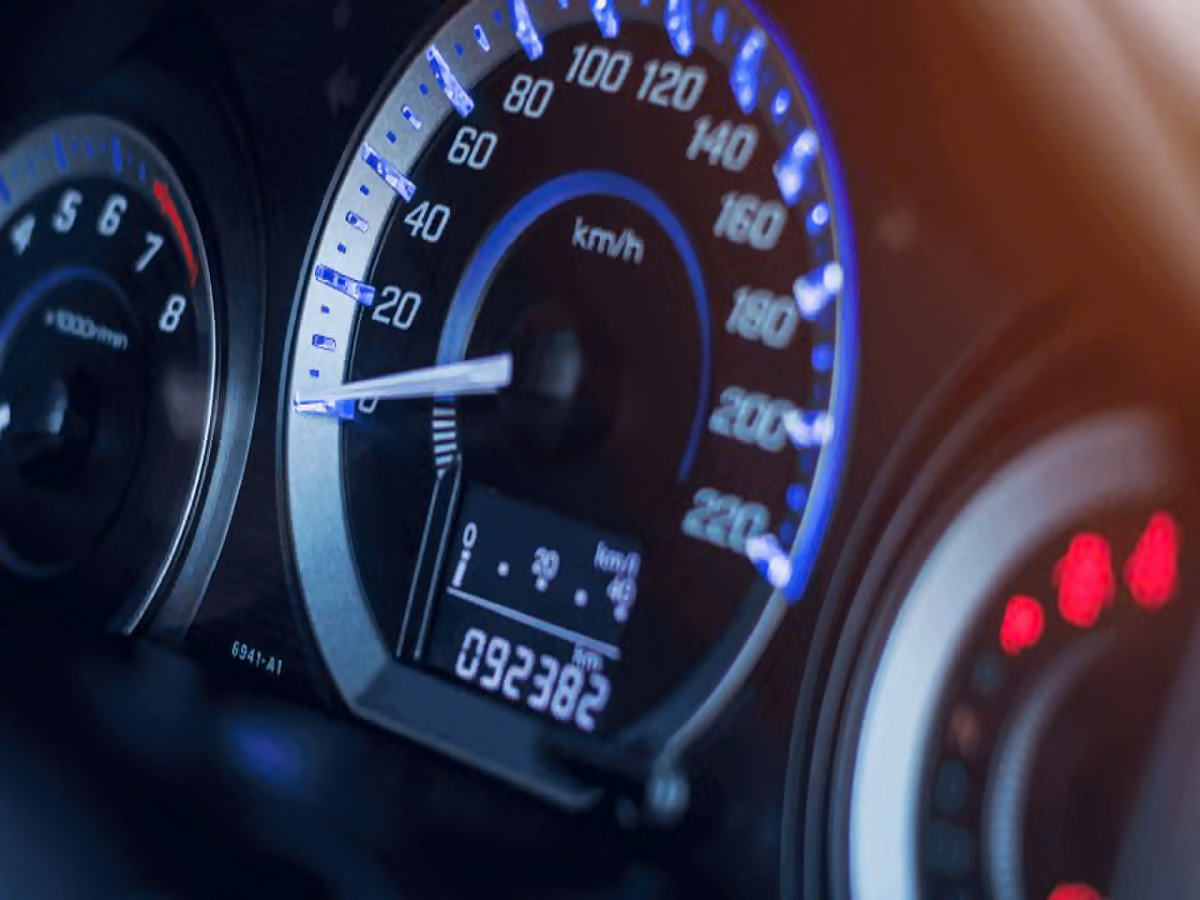
Has your car started consuming more petrol or diesel than usual? A sudden drop in mileage can be frustrating, especially when fuel prices are already a concern. While many drivers immediately suspect poor-quality fuel or a major engine problem, the actual cause may be something much simpler.
Fuel efficiency depends on several factors, including tyre pressure, engine condition, driving habits, traffic and air-conditioning usage. Sometimes, a minor maintenance issue can increase fuel consumption without showing an obvious warning sign.
Before heading to a mechanic, there are six important things worth checking. Identifying the problem early may help you avoid unnecessary expenses and prevent a small issue from becoming a costly repair.
1. Check Whether Your Tyres Have Low Air Pressure
Underinflated tyres increase rolling resistance, meaning the engine must use more energy to keep the car moving. This can reduce fuel efficiency and may also cause tyres to wear unevenly.
Low tyre pressure does not always produce an obvious warning. You may notice heavier steering, sluggish handling or simply a gradual decline in mileage.
What you should do:
-
Check the pressure of all four tyres, including the spare if applicable.
-
Measure pressure when the tyres are cold.
-
Follow the manufacturer's recommended pressure, usually provided on a label inside the driver's door or in the owner's manual.
-
Inspect for punctures or repeated pressure loss.
Avoid inflating tyres to the maximum pressure printed on their sidewalls unless that matches the vehicle manufacturer's recommendation.
2. A Dirty Air Filter May Affect Engine Performance
Your car's engine requires a suitable supply of air to operate efficiently. The air filter prevents dust and other particles from entering the engine.
Over time, dirt can accumulate and restrict airflow. In modern cars, engine management systems adjust fuel delivery to account for operating conditions, so a dirty filter does not always cause a major mileage drop. However, a severely clogged filter can affect performance and should be addressed.
Possible warning signs include sluggish acceleration, reduced engine response and poor overall performance.
What you should do:
-
Check the air filter according to the manufacturer's maintenance schedule.
-
Replace it if it is excessively dirty or damaged.
-
Avoid cleaning or reusing a filter unless the manufacturer permits it.
A simple inspection during routine servicing can help keep the engine operating as intended.
3. Worn-Out Spark Plugs Can Increase Fuel Consumption
In petrol cars, spark plugs ignite the air-fuel mixture inside the engine cylinders. If the plugs become worn, fouled or damaged, combustion may become less effective.
This can lead to rough idling, engine misfires, hesitation during acceleration and increased fuel consumption.
Diesel engines work differently and do not use spark plugs for combustion; they use compression ignition and may have glow plugs for cold starting.
If you drive a petrol car and notice unusual engine vibrations, difficulty starting or jerky acceleration, have the ignition system inspected.
Replacing spark plugs at the recommended intervals can help maintain smooth engine operation. However, the correct replacement interval depends on the vehicle and the type of spark plugs installed.
4. Sticking Brakes Can Waste Fuel and Create a Safety Risk
Your car's brakes should release fully when you take your foot off the brake pedal. If a brake calliper, wheel cylinder or another component sticks, the affected wheel may continue experiencing unwanted braking resistance.
The engine then has to work harder to move the car, potentially reducing mileage.
Look out for these warning signs:
-
The car feels unusually heavy or struggles to move freely.
-
The vehicle pulls to one side while driving.
-
You notice a burning smell after a journey.
-
One wheel becomes unusually hot compared with the others.
A sticking brake is more than a fuel-efficiency problem. It can cause overheating and compromise braking performance.
If you notice a burning smell, smoke or signs of severe overheating, stop in a safe place and arrange professional assistance. Do not touch hot brake components or continue driving to test the problem.
5. An Engine That Is Not Reaching the Correct Temperature
A car engine is designed to operate within a particular temperature range. If a thermostat remains open or a coolant temperature sensor malfunctions, the engine may take longer than normal to warm up or may receive incorrect temperature information.
In some vehicles, this can affect fuel consumption.
Possible signs include an engine temperature reading that remains unusually low, prolonged warm-up times or a malfunction indicator light.
If you notice these symptoms, have the cooling system and relevant sensors checked. Low coolant levels or overheating also require attention.
Never open the radiator cap while the engine is hot, as pressurised coolant can cause serious burns.
6. Short Trips, Heavy Traffic and Excessive AC Use
Sometimes, the car is perfectly healthy, but the way it is being driven explains the reduced mileage.
Frequent acceleration and braking in congested traffic increase fuel consumption. Short journeys can also be less efficient because the engine repeatedly starts from cold and may not reach its most efficient operating temperature.
Running the engine while parked also consumes fuel. Using the air conditioner adds an extra load, particularly in hot weather and during prolonged idling.
To improve everyday fuel efficiency:
-
Combine several short errands into one journey where practical.
-
Accelerate smoothly and anticipate traffic to avoid unnecessary braking.
-
Avoid leaving the engine running for long periods while parked.
-
Use the air conditioner sensibly without compromising comfort or safety.
-
Maintain a steady speed when road conditions permit.
Remember that city mileage is often lower than highway mileage, so comparisons should be made under similar driving conditions.
How to Confirm Whether Your Car's Mileage Has Actually Dropped
Before assuming that your car needs a repair, measure its fuel efficiency over a reasonably consistent period.
The most reliable simple method is the full-tank method:
-
Fill the fuel tank and reset the trip meter.
-
Drive normally for a reasonable distance.
-
Refill the tank, preferably under similar conditions.
-
Divide the kilometres travelled by the litres required to refill the tank.
For example, if you drive 450 kilometres and use 30 litres of fuel, your mileage is 15 km/l.
Compare this result with your previous readings under similar driving conditions. Dashboard mileage estimates can be useful, but they may not match actual fuel consumption exactly.
If the drop persists despite normal tyre pressure and maintenance, ask a mechanic to inspect the engine, fuel system, sensors, wheel alignment and brakes as appropriate.
Final Thoughts
A sudden reduction in car mileage does not always mean an expensive engine repair is around the corner. Low tyre pressure, restricted airflow, worn spark plugs, sticking brakes, temperature-related faults and changes in driving habits can all contribute to higher fuel consumption.
Start with simple checks, follow your car's maintenance schedule and pay attention to warning signs. If the mileage decline is substantial or accompanied by engine warning lights, unusual noises, overheating or poor performance, seek professional help rather than replacing parts without a diagnosis.
A little preventive maintenance can help keep your car running efficiently, reduce avoidable fuel expenses and make your journeys safer.