TECH
Your Next Smartphone Could Have Satellite Internet: How Direct-to-Phone Connectivity Is Changing Mobile Technology
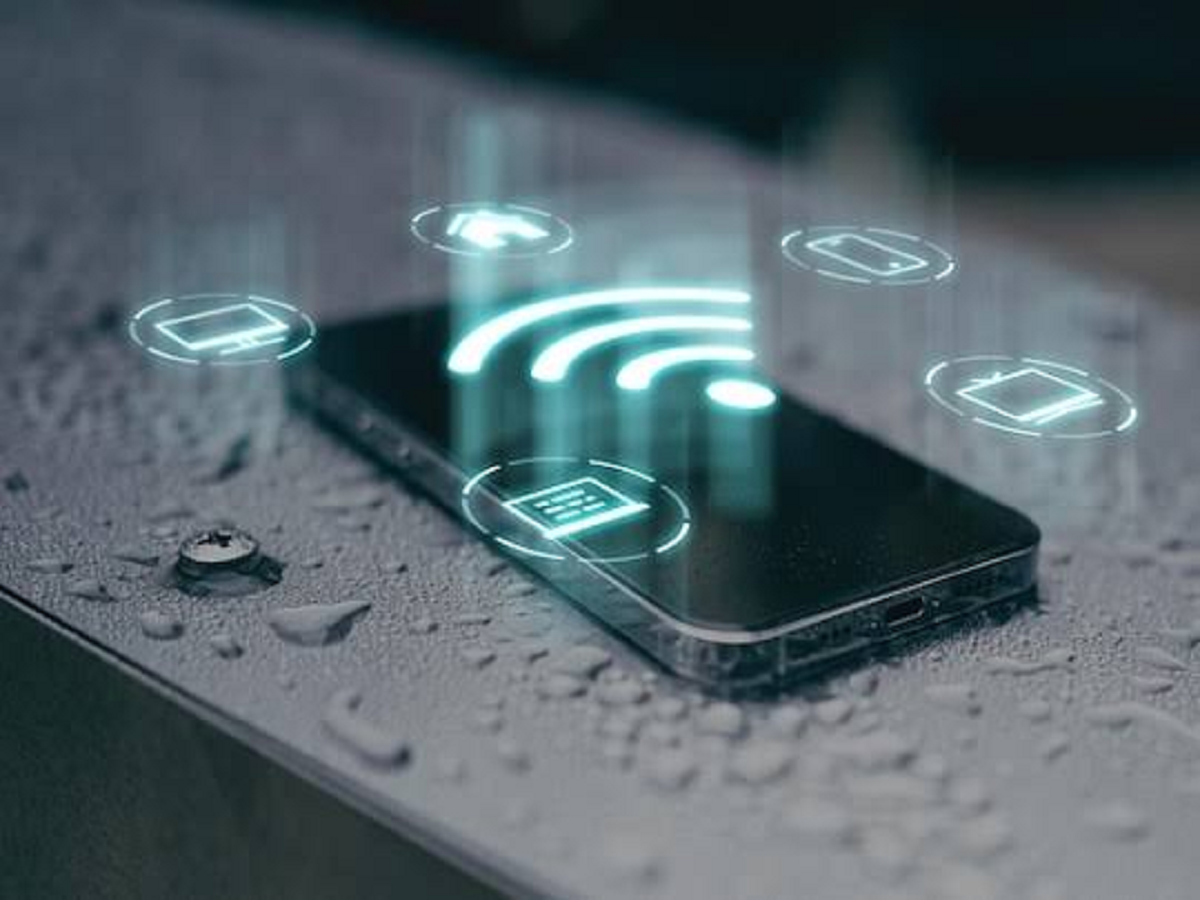
Imagine travelling through a remote mountain village, getting stranded on a highway with no mobile network, or hiking far away from the nearest town. Now imagine being able to send a message or make an emergency connection directly through a satellite without needing a traditional mobile tower.
This is the promise of direct-to-phone satellite connectivity, an emerging technology that could change how smartphones stay connected. Instead of depending entirely on ground-based cellular infrastructure, compatible phones could communicate with satellites orbiting the Earth.
Although the technology is still developing, it could eventually help fill connectivity gaps in remote and difficult-to-reach locations.
1. How Does Satellite Connectivity Work on a Smartphone?
Traditional mobile phones communicate with nearby cellular towers. When a user moves outside the coverage area, the phone may lose its network connection.
Satellite connectivity offers another route. Satellites receive and transmit signals over large geographical areas, potentially allowing compatible smartphones to communicate even when conventional mobile networks are unavailable.
Some existing smartphones already support limited satellite-based emergency messaging. Newer satellite-to-phone systems are working towards broader capabilities, including messaging and, in some cases, voice or data services.
However, not every smartphone can connect to satellites. Compatibility depends on the device's hardware, the satellite network, supported frequency bands and the service provider.
2. Will Satellite Internet Work Without a SIM Card?
Satellite connectivity does not automatically eliminate the need for a SIM card.
Some satellite services work through partnerships with mobile network operators, using existing mobile subscriptions or specific service plans. Others may require dedicated equipment or separate subscriptions.
Whether a phone can connect without a conventional SIM depends on the particular service and its authentication requirements.
Users should therefore avoid assuming that every satellite-enabled phone will offer free internet anywhere in the world.
3. Can Satellite Connectivity Replace Mobile Towers?
Satellite networks could complement traditional cellular infrastructure, but replacing mobile towers entirely is unlikely in the near future.
Ground-based networks offer high capacity in densely populated areas and support demanding applications such as video streaming, online gaming and large downloads.
Satellite-to-phone systems face technical challenges, including limited spectrum, signal interference, network capacity and the need to maintain a reliable connection while satellites move across the sky.
The most immediate benefit is likely to be additional connectivity in locations where conventional coverage is weak or unavailable.
4. Why Is This Technology Important for India?
India has a large population spread across cities, villages, mountains, forests and remote border regions. Extending reliable connectivity to every location through conventional infrastructure can be challenging.
Satellite connectivity could potentially support:
-
Emergency communication during natural disasters.
-
Messaging from remote travel destinations.
-
Connectivity in areas with limited mobile coverage.
-
Communication for workers operating in isolated locations.
-
Backup communication when ground networks are disrupted.
These benefits will depend on service availability, regulatory approval, affordability and the types of devices supported.
5. Will Satellite Connectivity Increase Smartphone Prices?
Satellite capability may affect the cost of some smartphones, but it does not necessarily mean that every compatible device will become significantly more expensive.
The final cost depends on the phone's hardware, the technology used and whether the service is included in an existing mobile plan or sold separately.
In some cases, users may need to pay a subscription or additional charges for satellite communication. Other services may offer limited emergency messaging under specific conditions.
As the technology develops and adoption increases, pricing and availability could change.
6. What Are the Biggest Challenges?
Despite its potential, satellite-to-phone connectivity still faces several obstacles.
First, satellite connections can be affected by buildings, dense tree cover and other physical obstructions. Users may need a relatively clear view of the sky.
Second, network capacity may be limited compared with conventional mobile broadband, especially when many people attempt to connect simultaneously.
Third, governments must establish rules for spectrum use, licensing, security and cross-border communications.
Finally, companies need to make the technology affordable enough for ordinary consumers rather than limiting it to specialised devices or premium subscriptions.
7. When Will Satellite Connectivity Become Common?
The rollout will depend on satellite operators, smartphone manufacturers, mobile network providers and government regulators.
Limited satellite communication features are already available on certain devices and services, but widespread access to ordinary smartphone internet through satellites is a more complex goal.
In India, users should check official announcements from telecom operators and authorised satellite service providers before purchasing a device specifically for satellite connectivity.
Conclusion
Direct-to-phone satellite connectivity could become one of the most important developments in mobile communication. By extending connectivity beyond traditional cellular coverage, it has the potential to improve emergency communication and make remote locations easier to reach.
However, satellite technology is not yet a universal replacement for mobile networks. Device compatibility, service charges, network capacity and regulatory approvals will determine how quickly it becomes part of everyday smartphone use.
The future of mobile connectivity may not depend on choosing between satellites and mobile towers. Instead, it could involve smartphones seamlessly switching between both technologies to keep users connected wherever possible.