LIFESTYLE
Changing Seasons Pose Health Risks for Young Children: AIIMS Expert Shares Essential Care Tips
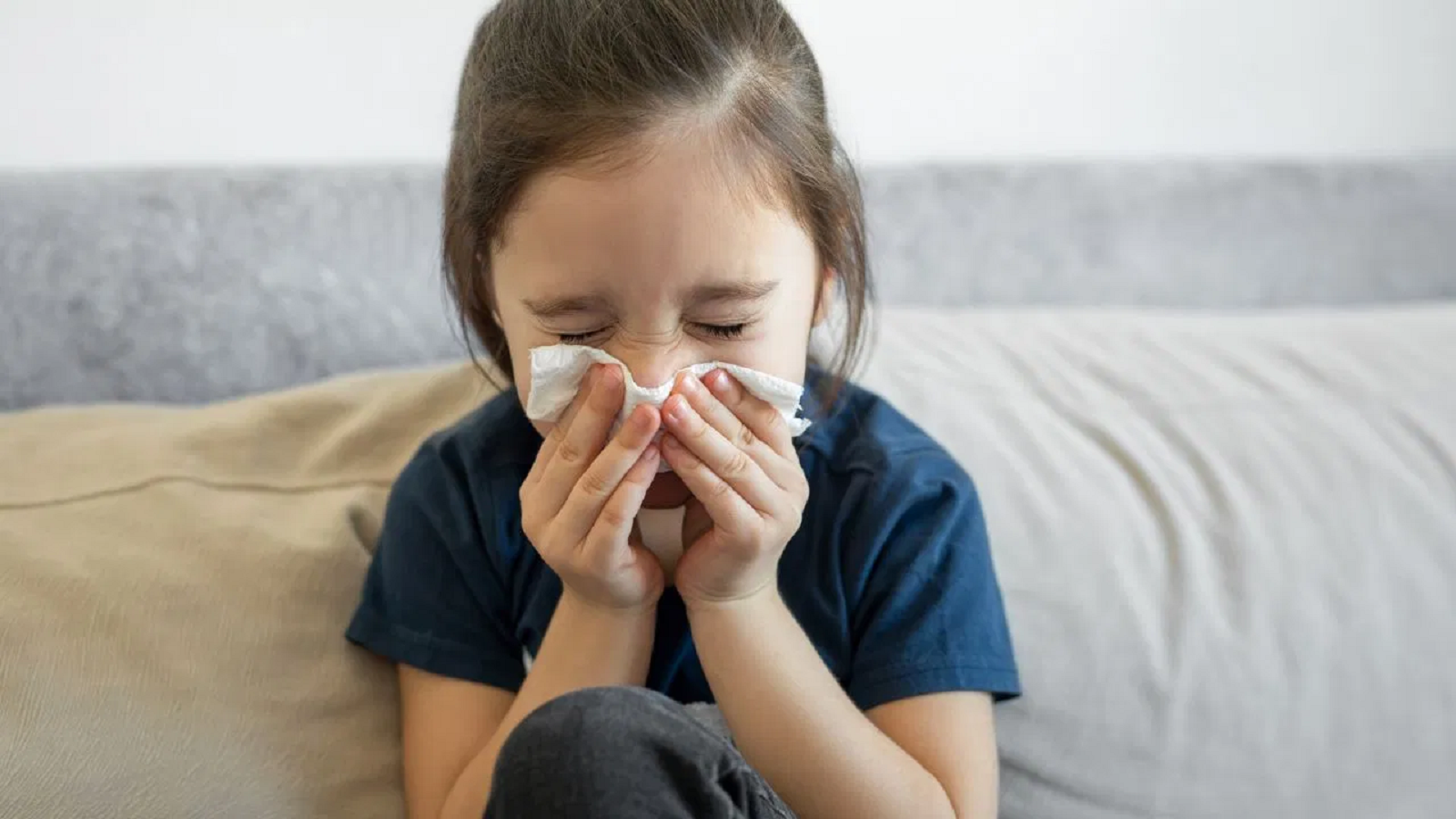
As the weather transitions from one season to another, young children become more vulnerable to illnesses due to temperature fluctuations, humidity, and increased viral activity. During this period, their immune systems are still developing, making it harder for their bodies to adapt to sudden changes—such as chilly mornings, warm afternoons, or unexpected rain and cold spells. These variations can disturb the body’s temperature balance, leading to common infections and health complications.
Common Seasonal Illnesses in Children
During changing weather, children are more likely to suffer from viral infections, colds, sore throats, flu, dengue, cough, fever, and allergies. Common symptoms include runny nose, sneezing, sore throat, fatigue, loss of appetite, and mild fever. In severe cases, children may experience difficulty breathing, wheezing, vomiting, or diarrhea.
If a child becomes unusually lethargic, refuses food or water, cries excessively, or develops a high fever, parents should consult a pediatrician immediately. Untreated infections can escalate quickly and further weaken a child’s immune system.
Expert Advice from AIIMS Delhi
According to Dr. Himanshu Bhadani from the Department of Pediatrics at AIIMS, New Delhi, parents should take simple but effective precautions to protect their children during weather changes. He recommends:
-
Dress appropriately: Avoid overdressing or underdressing. Use layered clothing to adapt to temperature changes throughout the day.
-
Maintain hygiene: Clean frequently touched surfaces, as viruses can linger for hours. Encourage regular handwashing to prevent infections.
-
Ensure hydration: Give children lukewarm water to soothe the throat and keep them hydrated.
-
Healthy diet: Include seasonal fruits, vegetables, pulses, and milk to build strong immunity.
-
Avoid crowded or polluted areas: Limit outdoor exposure in such environments.
-
Sun exposure: Let children spend some time in sunlight during cold days to absorb natural warmth and vitamin D.
Additional Care Tips
-
Avoid giving cold foods or drinks like ice cream or chilled water.
-
Keep the home well-ventilated and maintain a clean environment.
-
Ensure the child gets adequate sleep and daily light exercise to boost immunity.
-
Pay close attention to personal hygiene, especially clean hands and trimmed nails.