LIFESTYLE
Cold Water vs. Your Stomach: A Leading Gastroenterologist Debunks Viral Social Media Myths
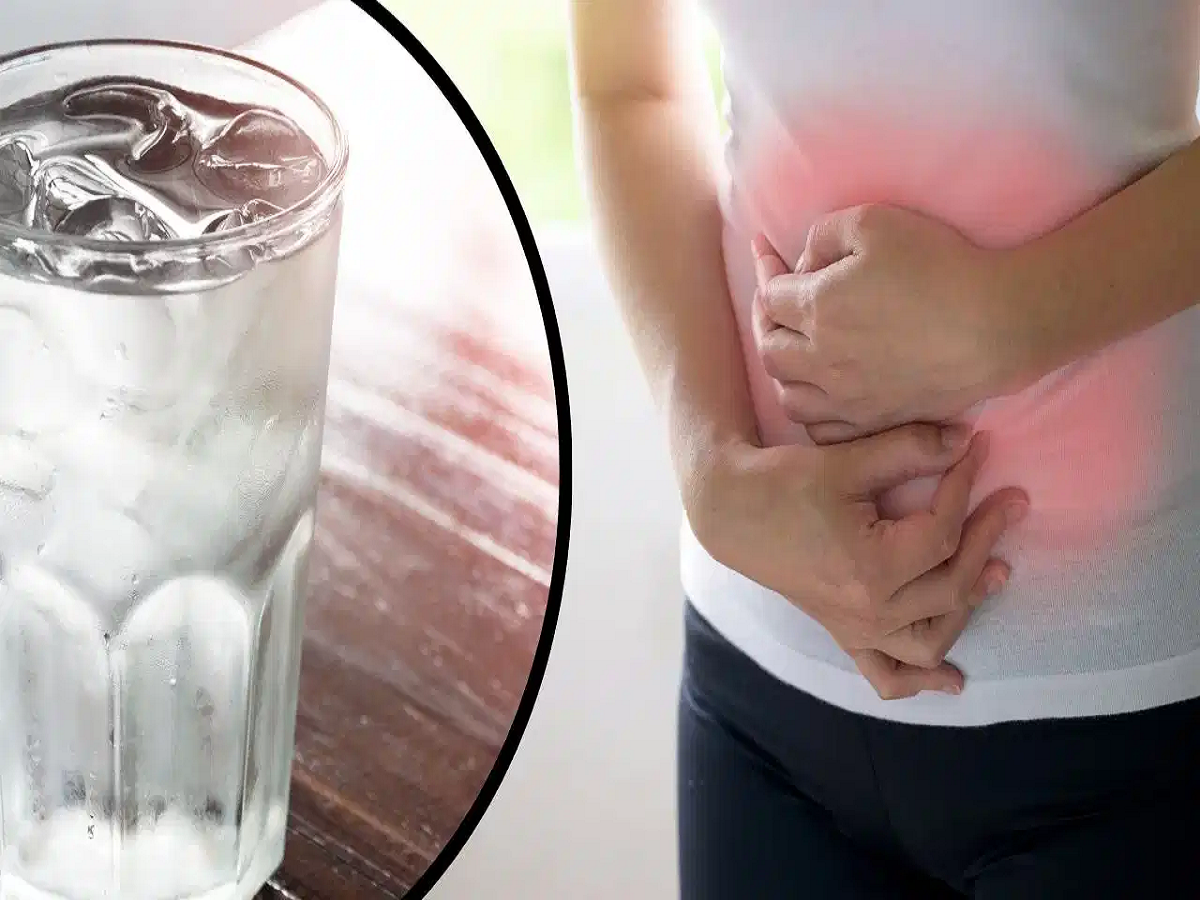
During a scorching summer heatwave, nothing feels more satisfying than downing a glass of ice-cold water. However, social media has recently been flooded with viral warning videos claiming that cold water wreaks havoc on your digestive system, shrinks food, and crystallizes dietary fat inside your stomach.
To separate fact from internet fiction, medical experts weighed in on the issue. Dr. Anil Arora, a leading expert and Chairman of the Institute of Liver Gastroenterology at Sir Ganga Ram Hospital, explains the real biological impact of water temperature on your gut.
The Biological Equalizer: Why Your Stomach Doesn't Care
According to Dr. Anil Arora, the widespread belief that cold water destroys or slows down normal digestion is fundamentally a medical myth. Under normal physiological conditions, your body operates an incredibly advanced, highly efficient internal climate control network.
Whether you drink ice-cold water or hot water, the moment the fluid enters your stomach, your body rapidly stabilizes it. The gastric chamber acts as a thermal equalizer, bringing the liquid up to your exact baseline core body temperature within moments. Consequently, it has no negative impact on the chemical breakdown of food or standard nutrient absorption.
Debunking Two Common Viral Misconceptions
| Popular Internet Myth | The Scientific Reality |
| Fat Crystallization |
The Claim: Cold water turns the oils and fats from your meal into a solid, un-digestible sludge. The Reality: Gastric acids, bile, and core body heat effortlessly process fats regardless of the water temperature you consume. |
| Gastric Shrinkage |
The Claim: Drinking cold water immediately after eating causes the stomach lining and food particles to contract and shrink. The Reality: Clinical studies show no structural shrinkage or digestive delay in healthy individuals. |
When Cold Water Actually Causes Harm: The Clinical Exceptions
While cold water is perfectly safe for a healthy individual, Dr. Arora notes that there are specific medical exceptions where cold fluid intake can actively trigger or worsen painful symptoms:
-
Irritable Bowel Syndrome (IBS): Patients with IBS suffer from a hyper-sensitive enteric nervous system in their gut. The sudden thermal shock of ice water can cause localized smooth muscle spasms, resulting in cramping, bloating, or sudden discomfort.
-
Chronic Respiratory Conditions: Individuals battling asthma, chronic sinus inflammation, or frequent throat infections should avoid highly chilled water, as it can cause reflex contractions in the respiratory tract.
-
Vulnerable Demographics: Highly sensitive individuals, such as very young children, the elderly, and chronic migraine sufferers, are more susceptible to the sudden neurological shocks associated with ice-cold inputs.
Best Practices: How to Hydrate Safely in Extreme Heat
While your stomach can handle the temperature, your overall health requires a mindful approach to hydration when coming indoors from extreme outdoor heat:
Avoid Thermal Shock: Do not drink ice-cold water immediately after entering the house from the scorching sun. The sudden, violent drop in localized temperature in your throat can lower your regional immunity, leaving you vulnerable to a cold, cough, or flu-like symptoms.
-
The Correct Technique: Sit down, let your body sweat settle for a few minutes, and drink water at a moderate, refreshing temperature.
-
Avoid Gulping: Sip water slowly rather than chugging it rapidly. If you are rehydrating after heavy sun exposure, consider mixing in an Oral Rehydration Solution (ORS) or fresh lemon juice to restore depleted electrolytes efficiently.