BUSINESS
Credit Card Minimum Due Trap: Paying Just the Minimum Amount Can Cost You More Than You Think
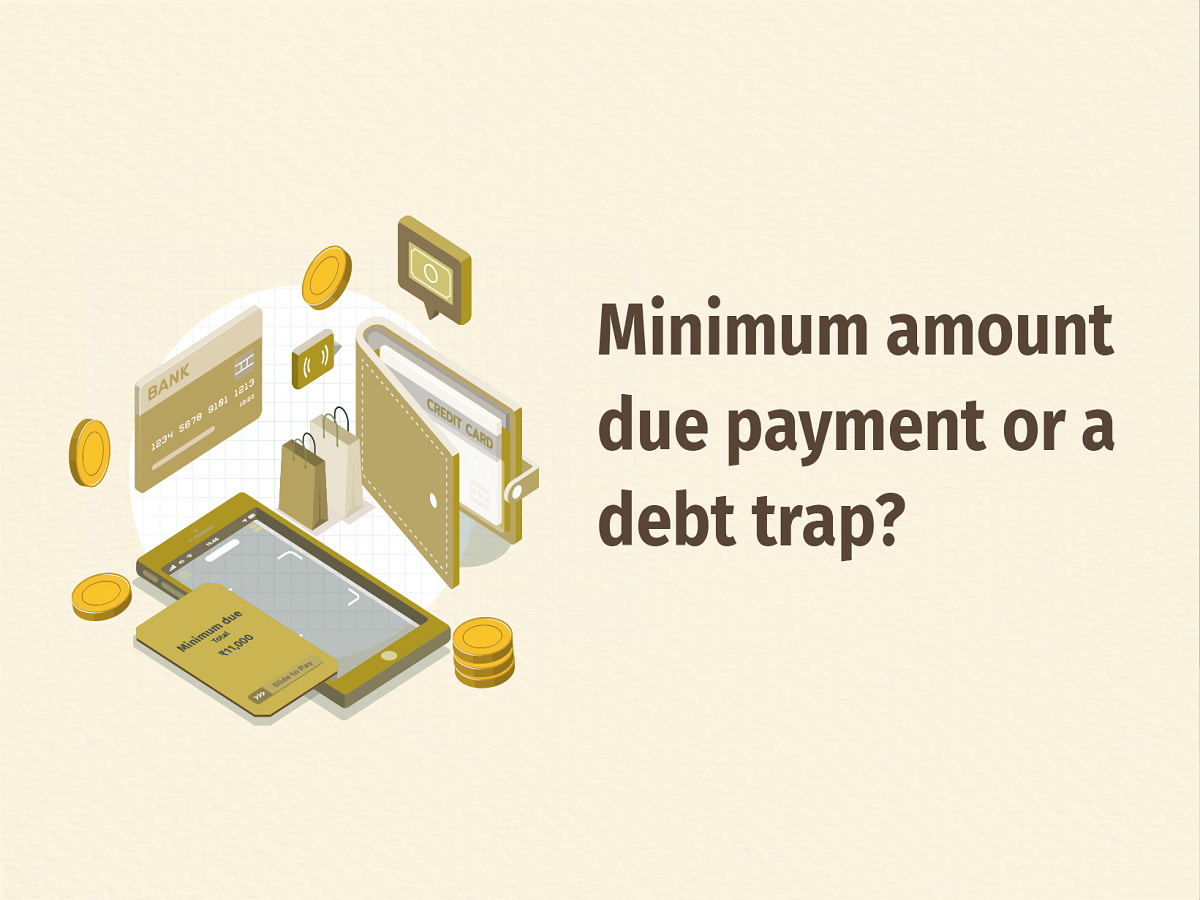
Credit cards have become an important part of everyday financial transactions. They allow customers to make purchases without immediately paying from their bank accounts and offer benefits such as reward points, cashback and interest-free credit periods.
However, many cardholders make one common mistake: paying only the minimum amount due instead of clearing the entire outstanding balance. Although this helps avoid certain late payment consequences, it can lead to expensive interest charges and long-term debt.
Here is how the minimum amount due works and why paying only this amount can become a costly habit.
1. What Does Minimum Amount Due Mean?
The minimum amount due is the smallest payment a credit cardholder must make by the payment due date to avoid being treated as having missed the payment under the card's billing terms.
It is generally calculated as a percentage of the outstanding balance, along with applicable charges, instalments and other dues. The exact calculation varies between banks.
For example, if your total credit card bill is Rs 50,000 and the minimum amount due is Rs 2,500, paying Rs 2,500 may satisfy the minimum payment requirement.
However, the remaining Rs 47,500 does not disappear. It continues to remain outstanding and may attract interest.
2. Why Does Paying Only the Minimum Amount Become Expensive?
Credit card interest rates are generally much higher than those offered by traditional loans.
When you pay only the minimum amount, the unpaid balance can attract finance charges. If you continue making new purchases, those transactions may also lose the benefit of the interest-free period until the outstanding amount is cleared, depending on the card's terms.
This can create a cycle in which a large portion of your future payments goes towards interest rather than reducing the original debt.
3. You May Lose the Interest-Free Period
One of the biggest advantages of a credit card is its interest-free period, which is available when the full statement balance is paid by the due date.
However, if you carry forward an outstanding balance, new purchases may also start attracting interest from their respective transaction dates, as per the card's terms.
This means that even routine expenses such as groceries, fuel or online shopping can become more expensive when the previous bill remains unpaid.
4. Does Paying the Minimum Amount Protect Your Credit Score?
Paying at least the minimum amount due on time generally helps avoid a missed-payment record being reported to credit bureaus.
However, regularly carrying a high outstanding balance can increase your credit utilisation ratio. This may negatively affect your credit profile, particularly when a large portion of your available credit limit remains occupied.
For example, if your credit limit is Rs 1 lakh and your outstanding balance is Rs 80,000, your credit utilisation is 80%.
Maintaining a lower utilisation ratio is generally considered healthier for credit management, although credit scoring models consider several other factors too.
5. What Should You Do If You Cannot Pay the Full Bill?
If you are unable to clear the entire credit card bill, paying at least the minimum amount by the due date can help avoid certain late payment consequences. However, you should try to repay the remaining balance as quickly as possible.
You can also contact your bank to understand whether an eligible balance conversion or EMI facility is available. Before choosing this option, compare the interest rate, processing fee and total repayment cost.
Avoid making additional discretionary purchases until the existing balance has been cleared.
How Can You Use a Credit Card Without Falling Into Debt?
The most effective way to use a credit card is to treat it like a payment method rather than additional income. Spend only what you can comfortably repay from your available funds.
Set up payment reminders, monitor transactions regularly and try to clear the total statement balance before the due date.
Credit cards can offer convenience and useful rewards, but paying only the minimum amount repeatedly can turn short-term spending into expensive debt. Understanding the difference between the minimum due and the total outstanding amount is essential for responsible credit card usage.