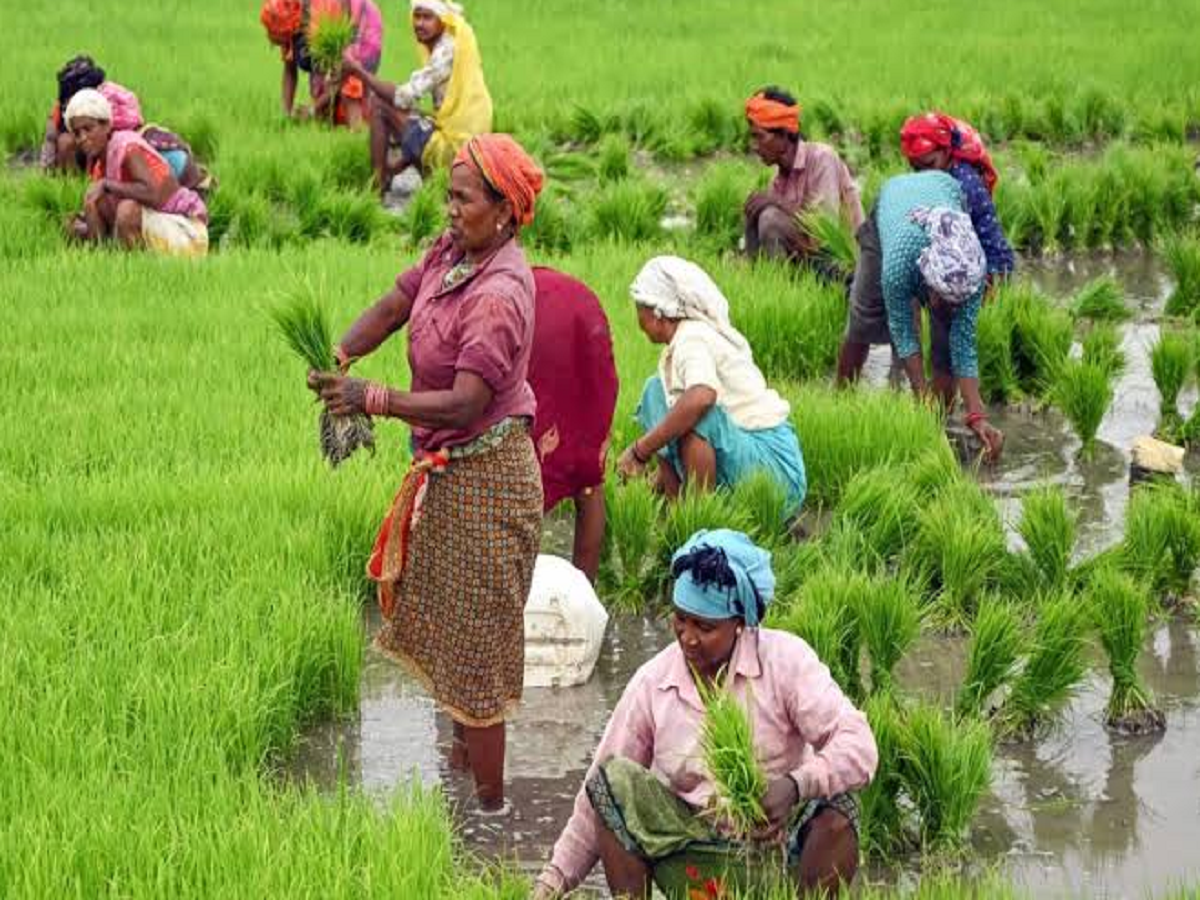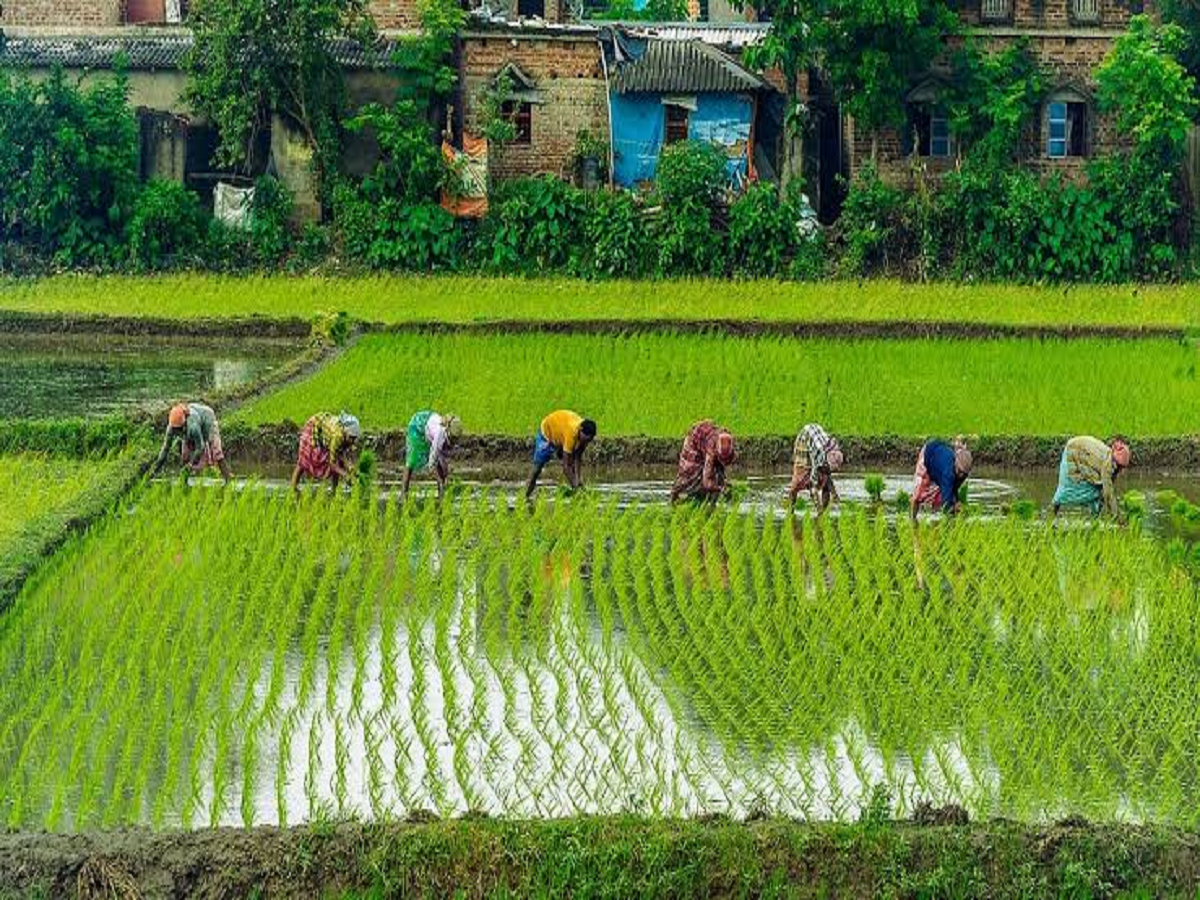
Farmers across India continue to face financial risks from unpredictable weather, pests and crop diseases. To provide protection against such losses, the government is continuing the Pradhan Mantri Fasal Bima Yojana (PMFBY) with a ₹12,200 crore allocation for 2026-27.
The scheme provides crop insurance coverage against several risks, including drought, floods, cyclones, hailstorms, pests, diseases and certain post-harvest losses.
What is PM Fasal Bima Yojana?
The Pradhan Mantri Fasal Bima Yojana is the government's flagship crop insurance programme. It is designed to protect farmers from financial losses when insured crops are damaged by specified natural risks.
The scheme covers different stages of the crop cycle, from risks affecting cultivation to certain losses occurring after harvesting.
For farmers, this can provide an important financial safety net when extreme weather or other covered events damage their crops.
Which risks are covered?
Depending on the applicable crop and notified area, PMFBY provides coverage against several risks, including:
-
Drought
-
Floods
-
Cyclones
-
Hailstorms
-
Pests and diseases
-
Prevented sowing
-
Localised calamities
-
Damage caused by inundation
-
Unseasonal rainfall
-
Specified post-harvest losses
However, farmers should remember that not every type of crop damage is automatically covered. Coverage depends on the notified crop, area and terms applicable for that season.
Government is using technology to speed up claims
A major focus of the scheme is the use of technology to improve crop-loss assessment and insurance claim processing.
The government has highlighted tools such as YES-TECH (Yield Estimation System Based on Technology) and WINDS (Weather Information Network and Data System) as part of efforts to make assessment and claim settlement faster and more transparent.
Technology-based assessment can help reduce dependence on slower manual processes and improve the availability of weather and crop-yield information.
More than 26 crore farmer applications have received claims
The scale of the programme is significant.
According to the government, from Kharif 2016 to Rabi 2025-26, more than 92.46 crore farmer applications were insured under PMFBY.
During the same period, more than 26.33 crore farmer applications received claims amounting to over ₹2.06 lakh crore.
These figures show how the scheme has become an important component of agricultural risk protection in India.
Why is crop insurance important?
Agriculture is highly dependent on weather conditions. A farmer can invest money and months of effort in growing a crop, only to suffer a major loss because of excessive rainfall, drought, pests or other covered risks.
Crop insurance can help reduce the financial shock in such situations.
The objective is not to prevent crop damage but to provide financial protection when eligible insured crops suffer covered losses.
Farmers should not wait until a crop is damaged
One of the most important things for farmers is to understand the insurance conditions before enrolling.
Farmers should check:
-
Whether their crop is notified for insurance in their area.
-
The applicable insurance period.
-
The premium payable.
-
The risks covered.
-
The procedure for reporting crop damage.
-
The deadline for reporting a loss or filing a claim.
Keeping documents related to the crop, land and insurance enrolment can also make it easier to resolve issues if a claim arises.
What happens after crop damage?
If an insured crop suffers damage from a covered risk, the farmer needs to follow the prescribed procedure for reporting the loss.
The exact process and deadlines can vary depending on the type of loss and applicable guidelines. Therefore, farmers should contact the relevant agriculture department, insurance company or authorised channel promptly rather than waiting.
This is particularly important for localised calamities and post-harvest losses, where specific reporting requirements may apply.
Government's larger focus on farmer security
PMFBY is part of a broader effort to protect agricultural incomes alongside other farmer-support measures.
The government has also continued initiatives such as PM-KISAN, which provides income support to eligible farmer families. The Union Cabinet approved continuation of PM-KISAN from 2026-27 to 2030-31, with a total financial outlay of ₹3.15 lakh crore.
Together, such programmes are aimed at addressing different financial risks faced by farmers—from regular income needs to losses caused by crop failure.
Bottom line
The Pradhan Mantri Fasal Bima Yojana remains an important government-backed safety net for farmers, with ₹12,200 crore allocated for 2026-27.
Farmers should not assume that every crop loss will automatically qualify for compensation. The most important step is to check the notified crop, insured area, covered risks and claim-reporting requirements for their particular season before taking insurance.
For farmers who depend heavily on a single crop or face frequent weather-related risks, understanding the scheme before the crop season begins can be just as important as knowing how to file a claim after a loss.