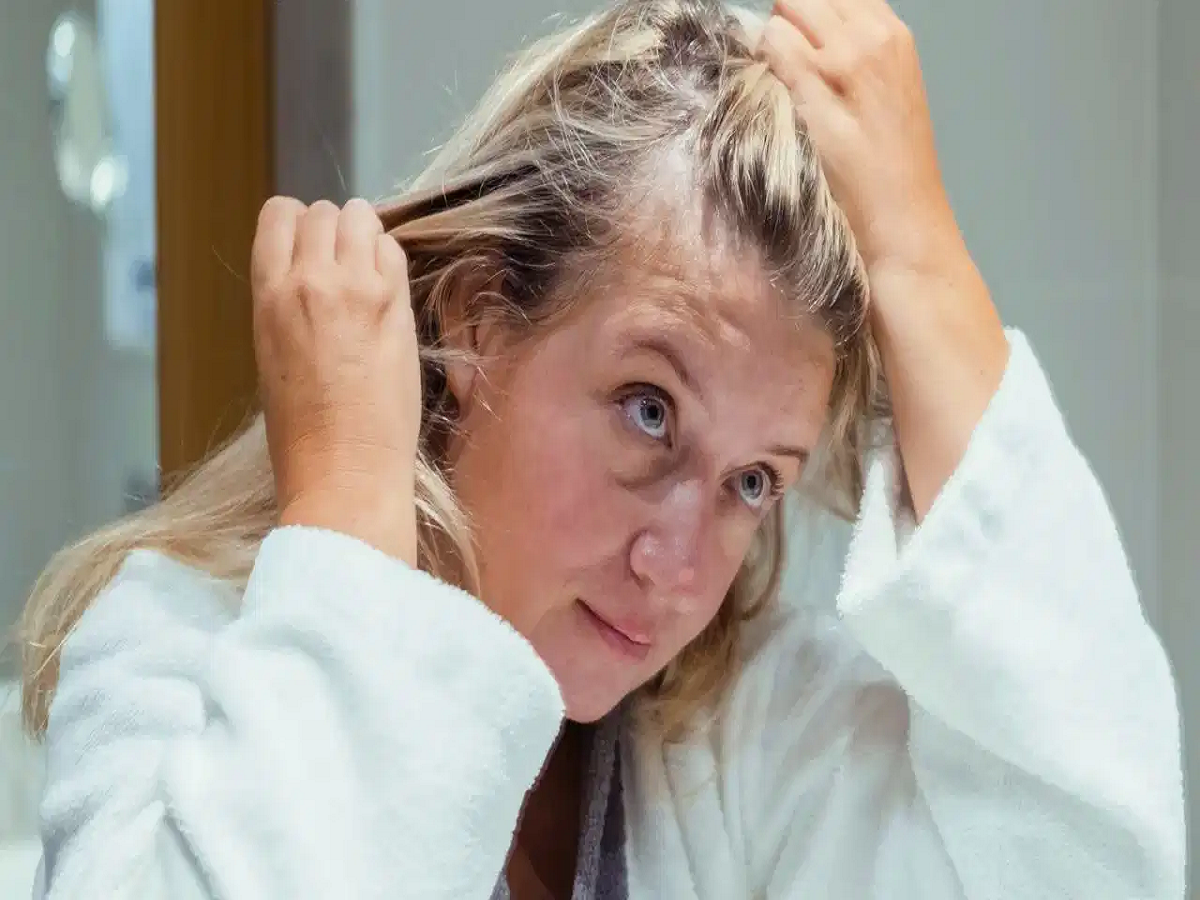
You wash your hair, use an anti-dandruff shampoo and finally get a clean, comfortable scalp. But after a few days, the itching starts again and white flakes appear on your shoulders. If this keeps happening, you may wonder why dandruff returns even after treatment.
The reason is that dandruff is not always a problem that can be permanently eliminated. For many people, it behaves like a recurring scalp condition that needs regular management rather than a one-time treatment.
Why Does Dandruff Keep Coming Back?
According to dermatologist Dr. Manish Jangra of Apollo Spectra Hospital, Delhi, the scalp contains sebaceous glands that produce sebum, a natural oil that helps protect the skin.
Some people naturally produce more sebum, leaving their scalp oilier. This can create conditions that favour the growth of Malassezia, a yeast that normally lives on the skin.
In people who are sensitive to it, the scalp can develop an inflammatory response. This may speed up the shedding of skin cells, resulting in the flakes commonly associated with dandruff.
This is also why dandruff can affect one person in a household while another person has no such problem.
Poor Scalp Cleansing Can Make Flaking More Noticeable
Simply getting your hair wet and applying shampoo is not always enough. If the scalp is not cleaned properly, oil, dead skin cells, sweat and other debris can accumulate.
Dust and sweat from daily activities can also contribute to scalp buildup and make flaking more noticeable.
However, washing your hair excessively is not the solution. Overwashing or using harsh products can irritate the scalp and potentially make the situation worse.
The ideal washing routine depends on factors such as how oily your scalp is, your hair type and the products you use.
Why Does Dandruff Return After You Stop Treatment?
This is one of the most common reasons people feel that their dandruff treatment has "failed."
An anti-dandruff shampoo may reduce the amount of flaking and itching, but it does not necessarily remove the underlying tendency to develop dandruff. Once treatment is stopped, symptoms can gradually return, particularly in people with an oily scalp or a recurring tendency.
For this reason, some people may need a maintenance routine even after their symptoms improve.
Does Using More Shampoo Solve the Problem?
Not necessarily. Applying anti-dandruff shampoo more frequently than recommended does not automatically make the condition disappear faster.
Using the wrong product or washing too aggressively can irritate the scalp. It is better to use an appropriate anti-dandruff product according to its instructions and focus on proper scalp cleansing.
If a particular shampoo causes burning, excessive dryness or irritation, it may be better to stop using it and seek professional advice.
When Should You See a Dermatologist?
If dandruff keeps returning despite appropriate care, becomes severe, causes significant itching or is accompanied by redness, sores, hair loss or thick patches, consult a dermatologist.
Persistent flaking can sometimes be caused by conditions other than ordinary dandruff, including seborrheic dermatitis, psoriasis or certain fungal conditions. A dermatologist can determine the underlying cause and recommend suitable treatment.
The Key Is Long-Term Control
For people who are prone to recurring dandruff, the goal may not be to eliminate it permanently but to keep the scalp healthy and symptoms under control.
A suitable shampoo, regular scalp cleansing and a maintenance routine can help reduce recurring flakes. If the problem continues despite these measures, professional evaluation is the safest approach rather than repeatedly experimenting with different products.