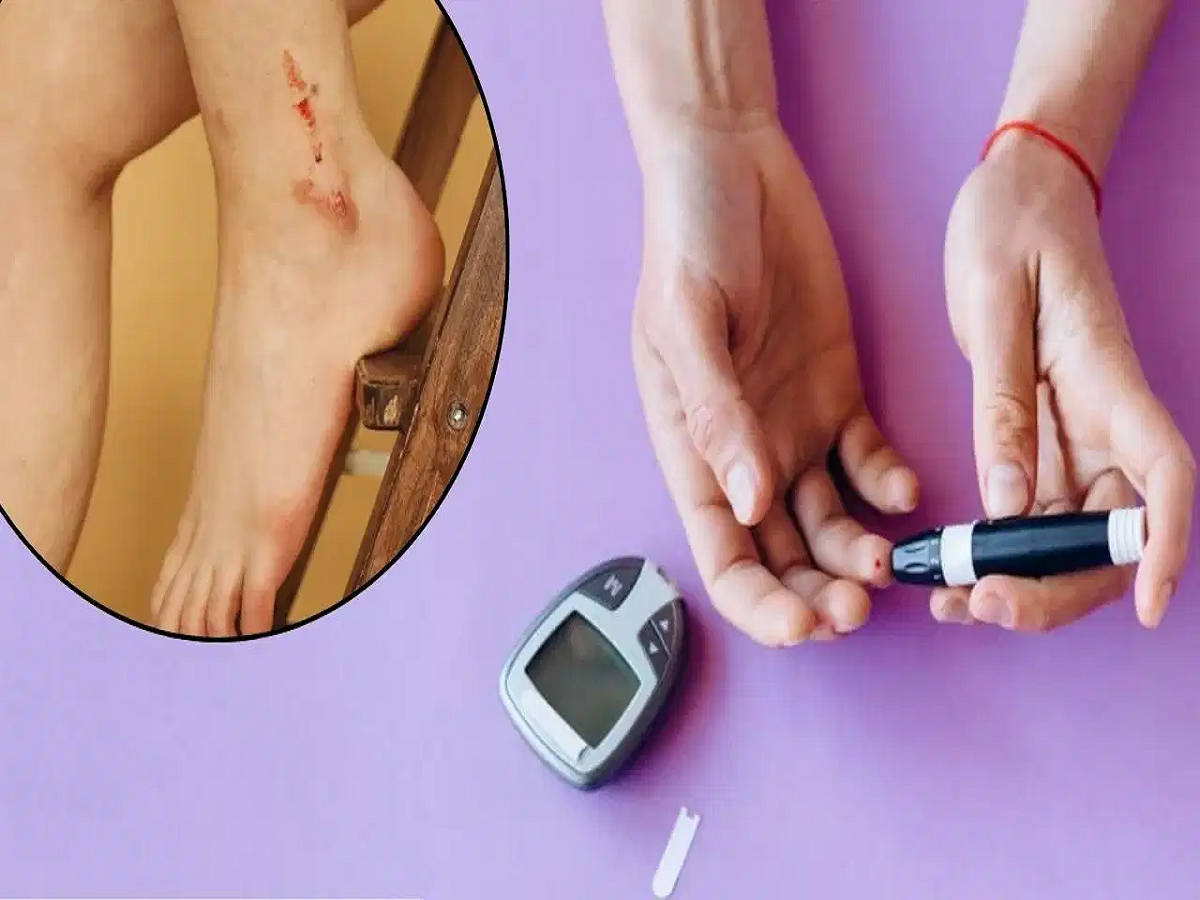
A small cut, blister or scrape may seem harmless, but for people with diabetes, even a minor injury can sometimes turn into a serious problem. Persistently high blood sugar can affect blood circulation and the body's ability to fight infections, which may slow the healing process.
When blood sugar remains elevated for a long time, blood vessels can become damaged and circulation may be reduced. As a result, wounds may not receive enough oxygen and nutrients to heal properly. High blood sugar can also impair the function of white blood cells, making it harder for the body to fight bacteria and infections.
This is why people with diabetes need to take extra precautions whenever they develop a wound or injury.
Why do wounds heal slowly in diabetes?
Diabetes can affect both blood circulation and nerve function. Reduced circulation can limit the supply of oxygen and nutrients needed for healing, while reduced sensation in the feet can make it difficult to notice cuts, blisters or other injuries.
According to Dr Rahul Parashar, Endocrinologist at Kailash Hospital, Noida, even minor injuries should not be ignored by people with diabetes. Reduced nerve sensitivity and impaired blood flow can delay healing and increase the risk of infection.
Keep wounds clean and protected
If you get a cut or other minor injury, clean the area carefully and protect it with a clean dressing or bandage.
Keeping the wound protected can help prevent dirt and bacteria from entering it. Check the wound regularly for signs of infection and seek medical advice if it is not healing properly.
For larger or deeper wounds, medical attention should be sought promptly rather than relying solely on home treatment.
Never make a habit of walking barefoot
People with diabetes should take particular care of their feet. Walking barefoot, even at home, can expose the feet to cuts, burns or other injuries that may go unnoticed because of reduced sensation.
Wear comfortable, properly fitting footwear and inspect your feet regularly for cuts, swelling, redness, blisters or other changes.
Do not pop blisters or boils
Blisters, boils and other skin problems should not be squeezed or punctured without medical advice. Breaking the skin can create an opening through which bacteria can enter.
If a blister or wound appears unusual, becomes painful or shows signs of infection, consult a healthcare professional.
Be careful about what you apply to a wound
Avoid experimenting with household remedies or applying strong chemicals to an injury without medical advice. In particular, products such as hydrogen peroxide can irritate tissue and are not appropriate for routine wound care in every situation.
If you are unsure how to treat a wound, ask your doctor or healthcare professional about appropriate wound care rather than self-medicating.
Watch for signs of infection
People with diabetes should monitor wounds closely. Seek medical attention if you notice increasing redness, swelling, warmth, pain, discharge or pus, a bad smell, fever, or if the wound is becoming larger or failing to heal.
Foot wounds deserve particular attention because complications can develop without being noticed early.
Keep blood sugar under control
Good blood sugar management is an important part of reducing the risk of wound-healing complications.
Take prescribed diabetes medicines as directed, follow your recommended diet and monitor your blood glucose as advised by your healthcare professional. If your blood sugar is frequently high, discuss it with your doctor.
The bottom line
For someone with diabetes, a wound that appears small should not automatically be considered insignificant. Early cleaning, protection, regular inspection and timely medical attention can help prevent minor injuries from becoming more serious.
The best protection is prevention: keep blood sugar under control, protect your feet, avoid walking barefoot and never ignore a wound that is not healing normally.