LIFESTYLE
Diabetes will give strength to the hollow body, control sugar without medicine, start these 5 yogasanas early

It is important for diabetes patients to keep blood sugar under control to stay healthy and regular practice of yoga helps in blood sugar control, insulin sensitivity, and reducing stress. Yoga improves the functioning of the pancreas, which improves insulin secretion and controls sugar.
Diabetes is a lifestyle related disease in which the body either cannot produce enough insulin or is unable to use insulin properly. This causes the blood sugar level to become uncontrolled. Diabetes is an incurable disease which can only be controlled to live a better life.
What are the benefits of yoga in diabetes? Yoga reduces the level of stress hormones like cortisol, which help in increasing blood sugar. It reduces obesity which is a major cause of type-2 diabetes. Yoga removes problems like gas, constipation, indigestion, which improves the body's metabolism.
Yoga teacher Vandana Gupta is telling you which yogasanas should be done to keep sugar under control.
Diabetes benefits of Mandukasana
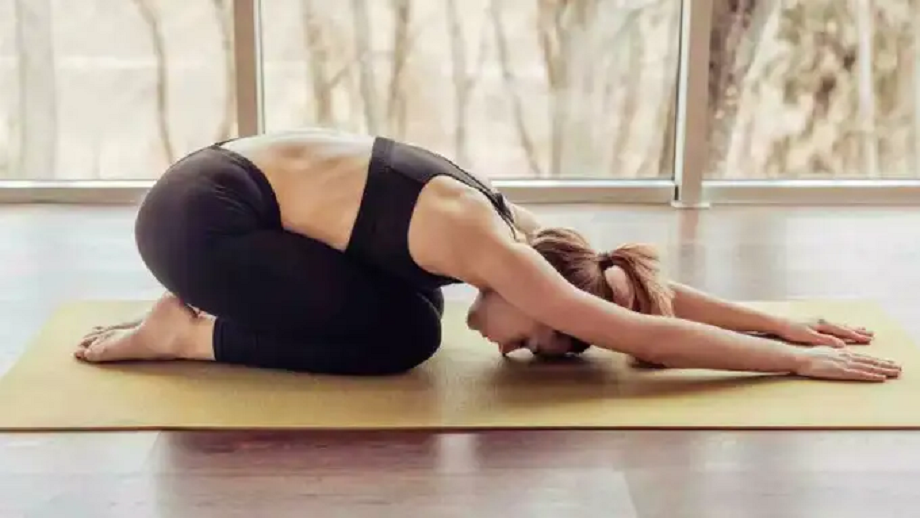
Mandukasana in particular helps activate the digestive system and pancreas, which improves insulin secretion and keeps blood sugar levels under control. To do this, sit in vajrasana (sit on heels with legs folded), make both fists and place them on the stomach near your navel, take a deep breath and while exhaling slowly bend forward, feel the pressure on the stomach and keep the neck straight, stay in this position for 10–30 seconds, then slowly come back. Repeat this 3–5 times.
Yoga asanas to control diabetes
Benefits of Ardha Matsyendrasana in diabetes
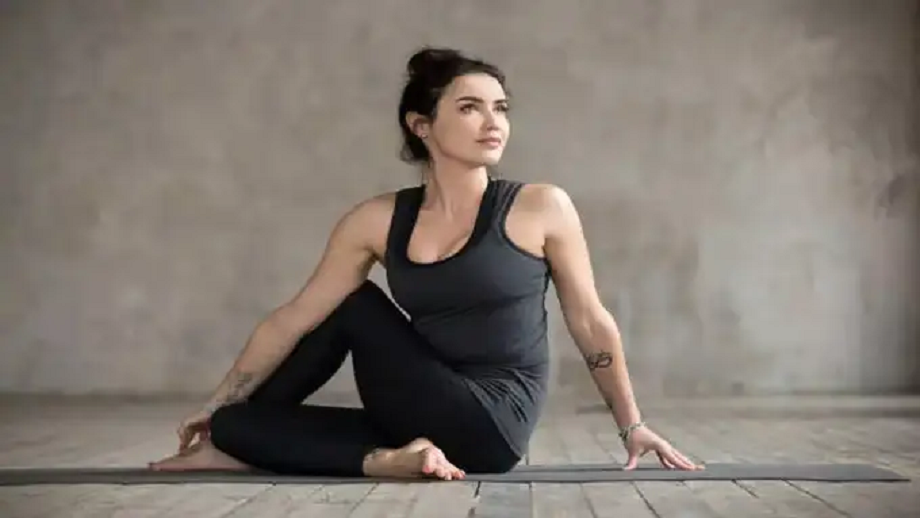
Ardhamatsyendrasana is a sitting yoga pose in which the body is bent in half. It stimulates the abdominal organs, especially the pancreas, which improves insulin secretion and keeps blood sugar levels under control. Therefore, it is considered extremely beneficial for diabetes patients. Start with Dandasana (sit with legs stretched out). Bend the left leg and place the heel near the right buttock. Now wrap the left hand around the outside of the right knee and place the right hand behind the back. While inhaling, straighten the spine and while exhaling, bend the body to the right. Bend the neck in the same direction and stay in this position for 20-30 seconds. Slowly come back and repeat the same process on the other side.
Benefits of Paschimottanasana in diabetes
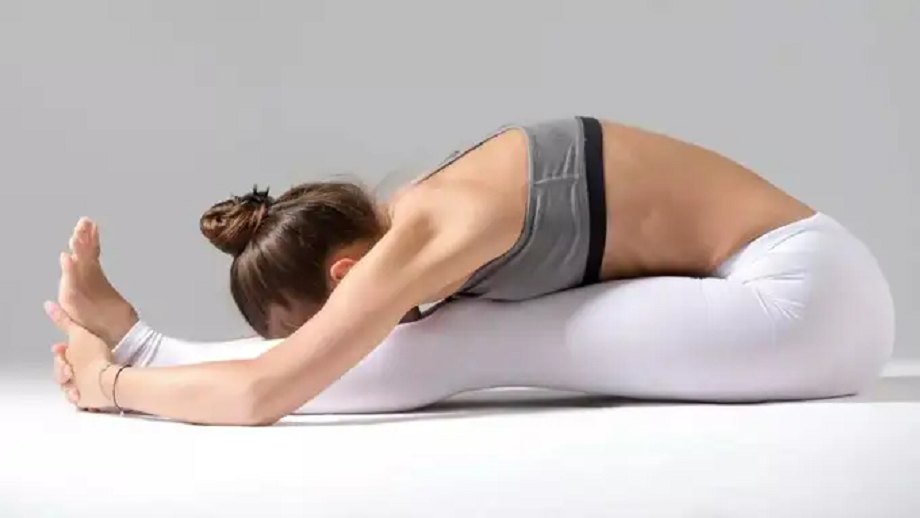
Paschimottanasana particularly affects the stomach and digestive organs, stimulating the pancreas, which improves insulin secretion and keeps blood sugar under control. Therefore, it is considered a very beneficial yogasana for diabetes patients. Sit in Dandasana, stretch both legs straight ahead. Keep the spine straight and place the palms on the thighs. Take a deep breath and raise the hands above the head. While exhaling, slowly bend forward from the waist and try to hold the toes or toes with both hands. Try to touch the head to the knees and rest the stomach on the thighs. Stay in this position for 20-30 seconds and keep breathing normally. Then slowly rise up while breathing.
Benefits of Pawanmuktasana in diabetes
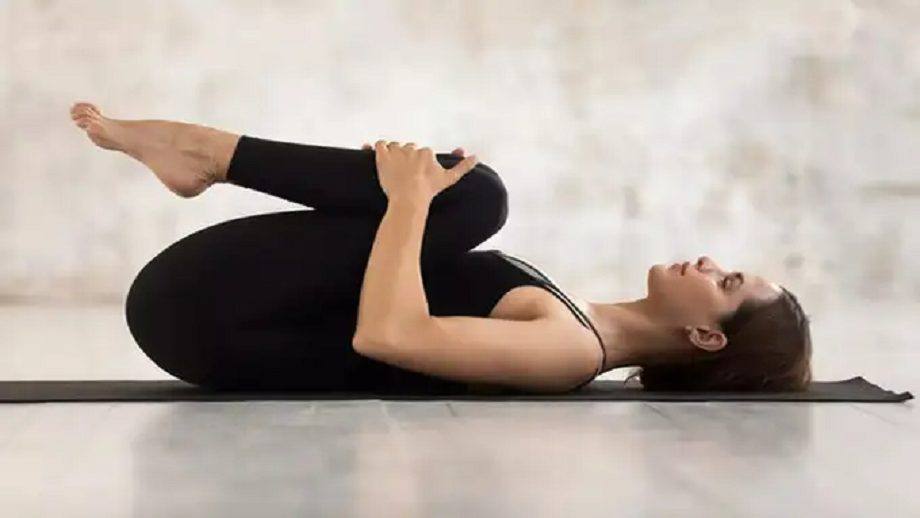
It has a direct effect on the stomach and digestive organs. This yogasana is considered very beneficial for diabetes as it stimulates the pancreas, which improves insulin secretion and helps in blood sugar control. To do this, lie straight on your back. Keep both legs straight and hands near the body. Now bend the right knee and bring it towards the chest and hold the knee with both hands. Take a deep breath, then while exhaling, lift the head and try to touch the nose to the knee. Stay in this position for 15-30 seconds and then slowly come back. Finally repeat the same process by bringing both knees together to the chest.
Benefits of Uttanpadasana in diabetes
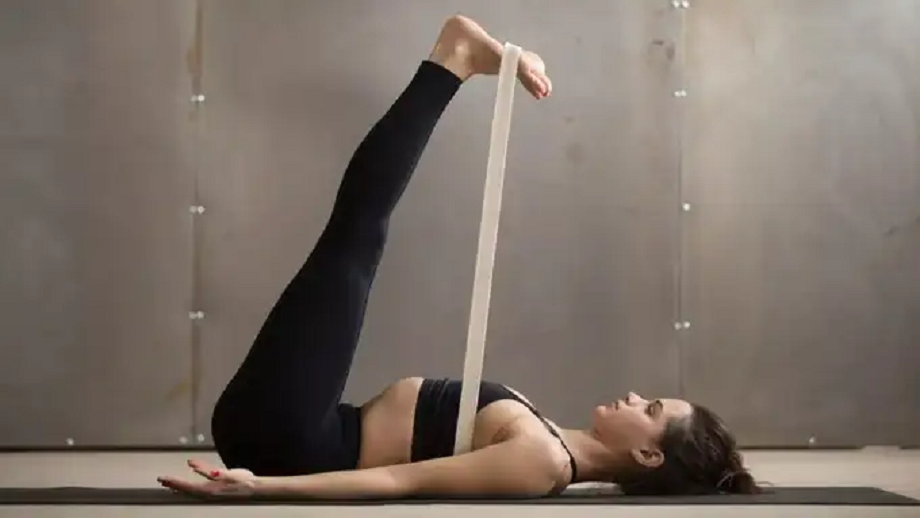
Uttanapadasana has a positive effect on the stomach, pancreas and digestive organs. This asana is considered very beneficial for diabetes patients as it helps in controlling blood sugar. To do this, lie straight on your back. Keep your hands straight on both sides of the body. Keep both legs together and while breathing, slowly raise both legs up to 30 to 45 degrees. Stay in this position for 10 to 30 seconds. Keep breathing normal. Now slowly bring the legs down while exhaling. Repeat this 3 to 5 times. In the beginning, practice by lifting one leg at a time.
Disclaimer: This article is for general information only. It cannot in any way be a substitute for any medicine or treatment. Always contact your doctor for more information. New Crab does not take responsibility for its truth, accuracy and effectiveness.
PC:NBT