BUSINESS
Disability Pension Rules Changed in 2026: Eligibility Reduced to 40%, New Benefits Explained
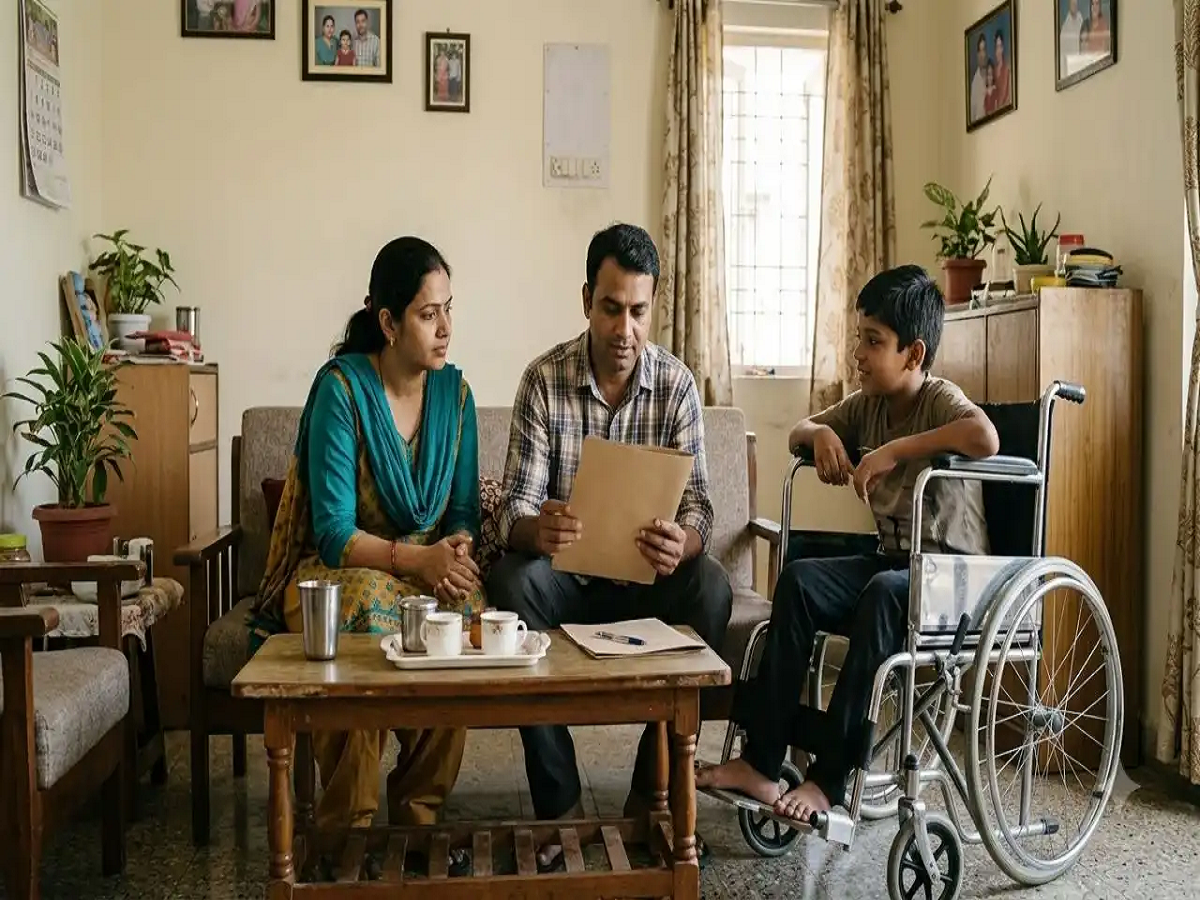
The Central Government has approved significant changes to its social assistance programme, bringing relief to people with disabilities who were previously unable to qualify for pension benefits because of strict eligibility conditions.
The National Social Assistance Programme (NSAP) will continue for another five years, from 2026-27 to 2030-31, with a total financial allocation of ₹53,428 crore. Along with renaming the programme and its associated schemes, the government has approved changes to the eligibility criteria and assistance provided under the disability pension component.
The revised framework is expected to benefit approximately 3.20 crore people across all States and Union Territories through the programme's various components.
Disability pension eligibility threshold reduced from 80% to 40%
One of the most important changes concerns the minimum disability requirement.
Previously, applicants needed to have at least 80% benchmark disability to qualify under the central disability pension scheme. Under the newly approved rules, this threshold has been reduced to 40%.
This change could allow a much larger number of people with benchmark disabilities to become eligible for financial assistance, subject to the other applicable conditions.
The minimum age requirement has also been removed. The revised criteria allow eligibility from birth, rather than restricting applicants based on a minimum age.
How much pension will eligible beneficiaries receive?
The government has revised the monthly assistance under the disability pension component.
The approved rates are:
-
Beneficiaries aged 0–79 years: ₹375 per month.
-
Beneficiaries aged 80 years and above: ₹625 per month.
These are the central assistance amounts under the scheme. Any additional assistance provided by individual State governments will depend on their respective pension programmes and rules.
What are the new names of the pension schemes?
The government has also approved new names for the National Social Assistance Programme and its associated schemes.
The changes are as follows:
| Previous scheme name | New scheme name |
|---|---|
| National Social Assistance Programme (NSAP) | Pradhan Mantri Samajik Sahayata Yojana |
| Indira Gandhi National Old Age Pension Scheme | Pradhan Mantri Vridhavastha Pension Yojana |
| Indira Gandhi National Widow Pension Scheme | Pradhan Mantri Vidhawa Pension Yojana |
| Indira Gandhi National Disability Pension Scheme | Pradhan Mantri Divyangjan Pension Yojana |
| National Family Benefit Scheme | Pradhan Mantri Parivar Labh Yojana |
The pension schemes for senior citizens and widows, along with the family benefit scheme, will continue in their existing form under the approved proposal.
Will senior citizens and widows also receive increased pension amounts?
The latest approval does not announce a revision in the assistance rates for the old-age and widow pension components. These schemes will continue under their existing arrangements.
The changes in the latest approval primarily focus on relaxing the disability pension eligibility conditions and revising its assistance amounts.
Therefore, beneficiaries should not assume that the renaming of the schemes automatically means an increase in every category's pension.
Who can benefit from the revised disability pension rules?
People with benchmark disabilities of 40% or more may qualify under the revised criteria, including eligible applicants from birth.
However, meeting the disability threshold alone does not automatically guarantee approval. Applicants will also need to satisfy the other conditions prescribed under the scheme, including applicable documentation and verification requirements.
The detailed implementation guidelines are expected to clarify the application process, beneficiary coverage and revised eligibility requirements.
What should applicants do now?
People who were previously unable to qualify because their disability percentage was below 80% should follow official announcements regarding the implementation of the revised rules.
They should also:
-
Keep their disability certificate and identity documents updated.
-
Check the pension application requirements issued by their State or Union Territory.
-
Monitor announcements from the local Social Welfare Department.
-
Avoid paying agents or intermediaries who promise guaranteed pension approval.
Applications should be made through the officially designated government channels once the revised guidelines become operational.
When will the revised rules be implemented?
The programme has been approved for five years, covering the period from 2026-27 to 2030-31. The government has indicated that detailed guidelines covering the revised disability pension conditions will be issued and implemented within three months.
The reduction of the disability eligibility threshold from 80% to 40% is a significant change for people who previously fell outside the qualifying criteria. Once the revised rules are implemented, eligible applicants will have a wider opportunity to access financial assistance through the government's social security programme.