BUSINESS
Khet Bachao Abhiyaan 2026: Government's Nationwide Campaign to Help Farmers Improve Soil Health and Reduce Farming Costs
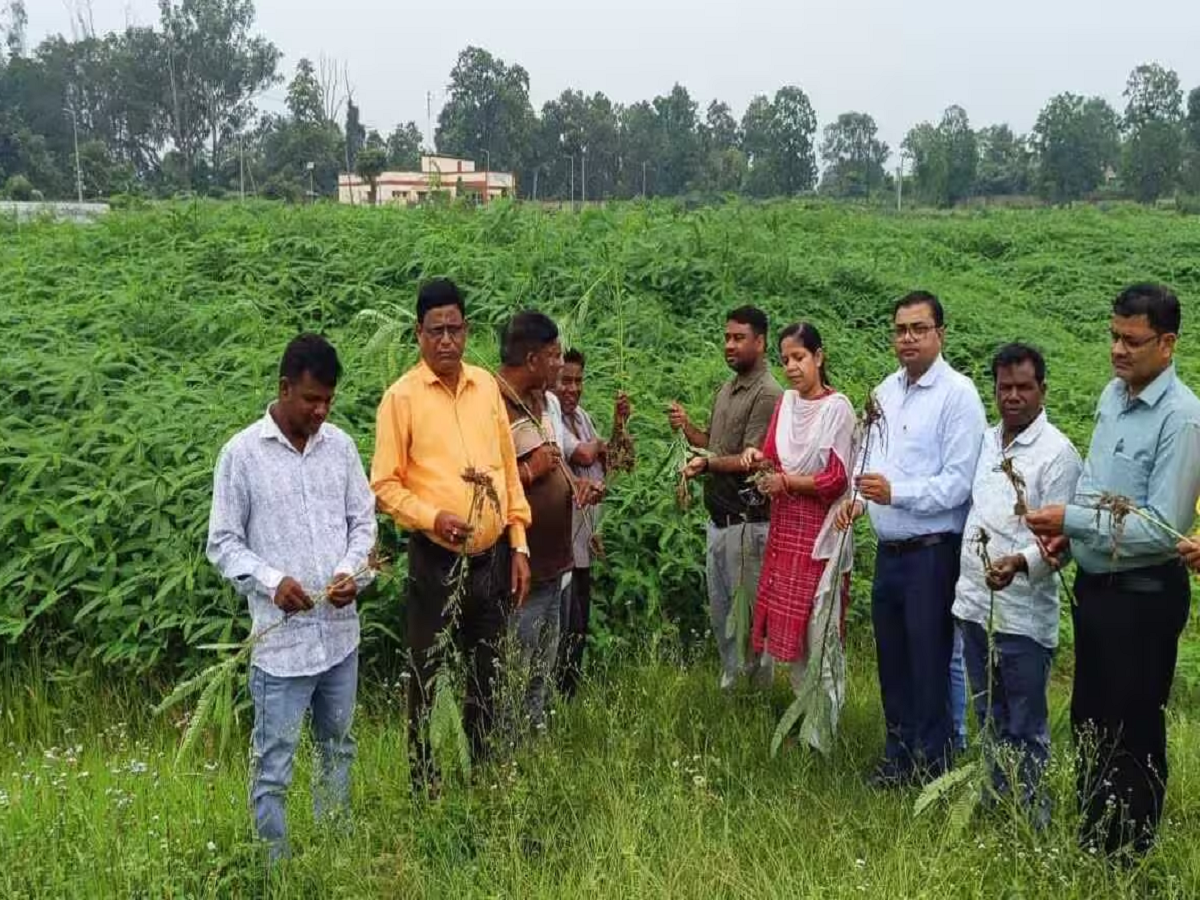
Farmers across India are being encouraged to adopt scientific and sustainable farming practices under the government's Khet Bachao Abhiyaan – Rabi 2026. The nationwide campaign, which began on October 22, will continue until November 30, 2026.
The initiative by the Ministry of Agriculture and Farmers Welfare focuses on improving soil health, promoting balanced fertiliser use and helping farmers make better decisions about agricultural inputs. The campaign will involve agricultural scientists, government departments and local institutions to take practical guidance directly to farming communities.
What is Khet Bachao Abhiyaan 2026?
Khet Bachao Abhiyaan is a nationwide awareness and training campaign designed to encourage farmers to protect agricultural land and use natural resources more efficiently.
Its Rabi 2026 edition focuses on scientific farming methods that can improve soil fertility, reduce unnecessary input expenditure and support agricultural productivity over the long term.
The campaign aims to reach approximately one crore participants through agricultural extension networks. It will involve 4,150 teams, supported by more than 12,000 scientists and officials associated with agricultural institutions and the Agricultural Technology Management Agency (ATMA).
Five important areas the campaign focuses on
The initiative highlights several practices that farmers can adopt to improve agricultural productivity.
-
Balanced fertiliser application: Farmers are encouraged to apply fertilisers according to soil-testing results and crop requirements instead of using the same quantity for every field.
-
Soil health improvement: The campaign promotes soil conservation, organic nutrient sources, green manuring and the appropriate use of biofertilisers.
-
Crop diversification: Farmers are being encouraged to consider suitable alternatives, including pulses and oilseeds, depending on local conditions and market requirements.
-
Crop residue management: Scientific methods of managing agricultural waste are being promoted to protect soil quality and reduce environmental damage.
-
Climate-resilient agriculture: Farmers are being introduced to location-specific farming practices that can help them manage changing weather conditions and water availability.
How can farmers participate in the campaign?
The government is organising farmers' conferences, Kisan Chaupals, training programmes and field demonstrations at different administrative levels.
Farmers can participate through their local Krishi Vigyan Kendra (KVK), Agriculture Department, ATMA network or other participating agricultural institutions.
These programmes provide opportunities to interact with agricultural experts, understand scientific farming techniques and discuss crop-related problems.
Why is soil testing important for farmers?
Soil testing helps farmers understand the nutrient composition of their agricultural land. It can identify deficiencies and provide recommendations for appropriate fertiliser application.
Using fertilisers without understanding the soil's requirements may result in unnecessary expenditure and an imbalance of nutrients.
Farmers can also use their Soil Health Cards to understand the condition of their fields and follow the recommendations provided for nutrient management.
A few practical steps include:
-
Get the soil tested before deciding fertiliser quantities.
-
Follow crop-specific nutrient recommendations.
-
Consider organic manure and green manuring where suitable.
-
Avoid excessive application of urea and other fertilisers.
-
Consult agricultural experts before changing cultivation practices.
Special focus on farmers in drought-affected regions
The campaign also highlights climate-resilient farming practices in drought-affected areas of Maharashtra, Karnataka, Telangana, Andhra Pradesh and Rajasthan.
The focus includes location-specific contingency planning, efficient water utilisation and suitable crop-management practices.
For farmers in these regions, adopting appropriate irrigation methods, selecting crops suited to local conditions and conserving soil moisture can be important steps towards managing agricultural risks.
Does the campaign provide direct financial assistance?
Khet Bachao Abhiyaan – Rabi 2026 is primarily an awareness, training and agricultural extension campaign. It is not a direct cash-transfer scheme under which every participating farmer receives a fixed financial benefit.
Its objective is to help farmers access scientific information, improve agricultural practices and become aware of existing government support programmes.
The campaign also seeks to improve awareness of facilities such as the Kisan Credit Card (KCC), which provides eligible farmers access to institutional agricultural credit.
Important dates and participation details
| Particulars | Details |
|---|---|
| Campaign | Khet Bachao Abhiyaan – Rabi 2026 |
| Start date | October 22, 2026 |
| End date | November 30, 2026 |
| Target outreach | Approximately 1 crore participants |
| Teams involved | 4,150 |
| Scientific and field support | More than 12,000 personnel |
| Main focus | Soil health and sustainable agriculture |
What should farmers do now?
Farmers interested in participating should contact their nearest Krishi Vigyan Kendra or local Agriculture Department to find out about upcoming training sessions and field demonstrations.
They should also keep their Soil Health Cards and relevant land and crop information available when consulting agricultural experts.
The Khet Bachao Abhiyaan aims to make sustainable farming practices more accessible at the grassroots level. By improving soil management, encouraging balanced fertiliser use and promoting scientific crop planning, the campaign seeks to support farmers in reducing avoidable costs and protecting the productivity of their land.