LIFESTYLE
Diwali 2026: 5 Special Bhog Offerings for Goddess Lakshmi, From Makhana Kheer to Besan Laddus
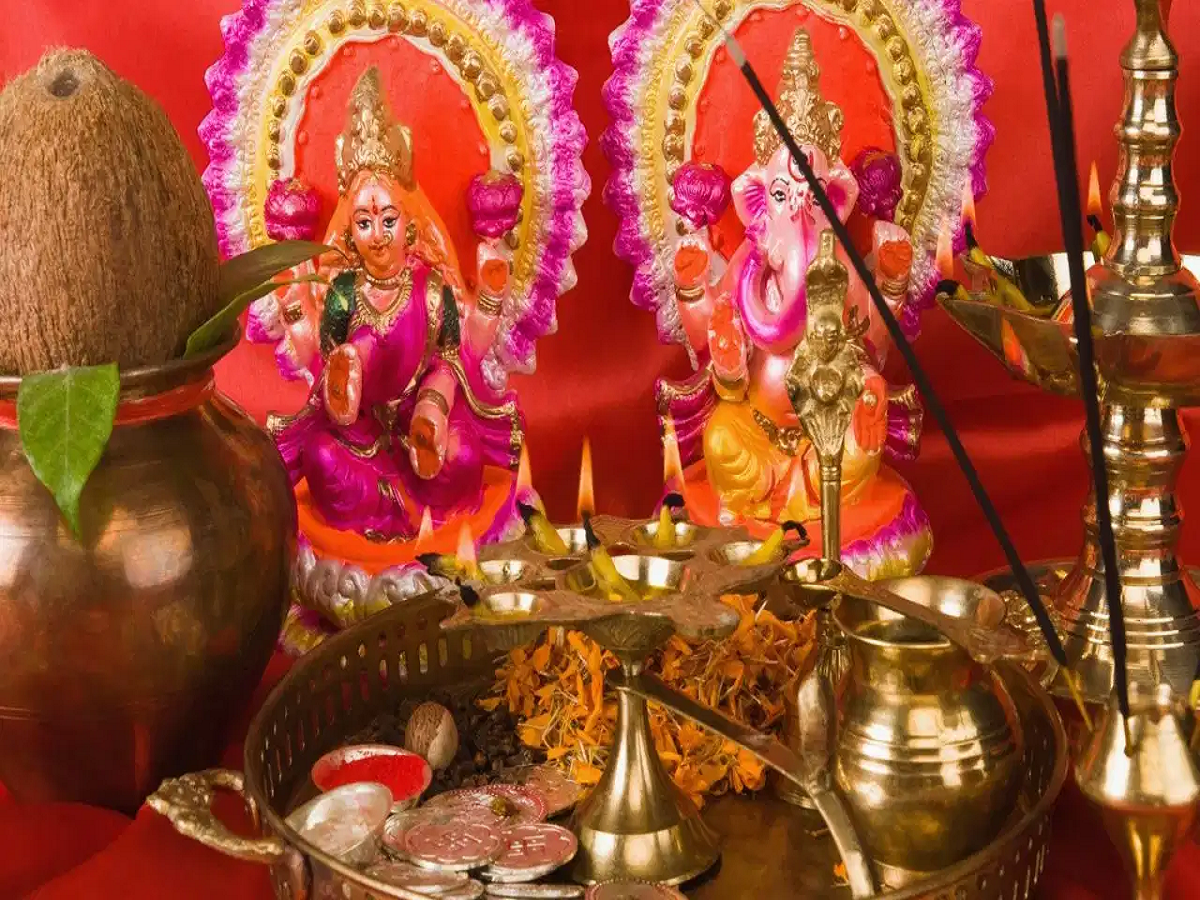
Diwali is one of the most auspicious festivals in Hindu tradition, celebrated with prayers, lights and the hope of happiness and prosperity. On this occasion, devotees clean and decorate their homes, light diyas and worship Goddess Lakshmi and Lord Ganesha to seek their blessings.
Food offerings, traditionally known as bhog, are also an important part of Diwali puja. Families prepare different sweets, fruits and traditional dishes and offer them to Goddess Lakshmi with devotion. According to Hindu beliefs, offering freshly prepared and sattvic food during the puja is considered auspicious.
Diwali 2026 is being celebrated on Sunday, November 8. If you are preparing for the evening Lakshmi puja, here are five traditional bhog offerings that you can include in your पूजा preparations.
1. Kheel and Batasha: A Traditional Diwali Offering
Kheel and batasha are among the most traditional offerings associated with Diwali celebrations. Kheel, made from puffed rice, is considered a symbol of prosperity and the new harvest, while batasha represents sweetness and happiness.
Many households include these two items in their Lakshmi puja thali as part of their traditional rituals.
According to religious beliefs, offering kheel and batasha to Goddess Lakshmi is considered auspicious and is associated with happiness and abundance in the household.
After the puja, these offerings are commonly distributed among family members and neighbours as prasad.
2. Makhana Kheer: A Delicious and Sattvic Bhog
Makhana kheer is another popular sweet offering that can be prepared for Diwali Lakshmi puja.
Makhana, also known as fox nuts or lotus seeds, is widely used in Indian religious rituals and fasting preparations. It is considered a sattvic food and is commonly included in traditional festive meals.
To prepare makhana kheer, lightly roast the makhana in ghee and cook it in milk until it becomes soft. Add sugar, cardamom and chopped nuts to enhance its flavour.
The creamy consistency and mild sweetness make it a wonderful festive offering. According to traditional beliefs, offering kheer to Goddess Lakshmi symbolises a prayer for peace, happiness and prosperity.
While preparing the bhog, maintain cleanliness and use fresh ingredients.
3. Boondi or Besan Laddus: A Symbol of Sweetness and Happiness
No Indian festival feels complete without traditional sweets, and Diwali is no exception.
Boondi laddus and besan laddus are popular choices for offering during Lakshmi puja. Prepared using ingredients such as gram flour, ghee and sugar, these sweets are associated with celebration and auspicious beginnings.
You can prepare fresh laddus at home using pure ingredients or purchase them from a trusted sweet shop.
According to religious traditions, offering sweets represents the desire for sweetness, happiness and harmony in family relationships.
4. Fresh Seasonal Fruits: An Offering From Nature
Fresh fruits are another simple and auspicious offering for Goddess Lakshmi.
Fruits are considered a symbol of nature's abundance and are commonly included in Hindu worship as part of a sattvic offering.
You can include bananas, apples, pomegranates, coconuts and other seasonal fruits in your puja thali.
Make sure the fruits are fresh, clean and properly arranged before offering them to the goddess.
After completing the puja, these fruits can be distributed among family members as prasad.
5. Mishri and Dry Fruits: A Traditional Festive Offering
Mishri and dry fruits are also commonly offered during Diwali worship.
Mishri, or rock sugar, symbolises sweetness and happiness, while almonds, cashews, raisins and walnuts represent nourishment and abundance.
Many families prepare a small mixture of dry fruits, traditionally known as panchmeva, and include it in their Lakshmi puja preparations.
You can arrange mishri and dry fruits in separate clean bowls and place them before Goddess Lakshmi during the evening worship.
After the puja, the offerings can be consumed as prasad and shared with family members.
Why Is Bhog Offered to Goddess Lakshmi During Diwali?
Offering bhog is an important part of Hindu religious traditions. It represents devotion, gratitude and respect towards the deity.
During Diwali, devotees prepare food with cleanliness and dedication and offer it to Goddess Lakshmi while praying for financial stability, happiness and prosperity.
The offerings are later distributed as prasad, symbolising the sharing of blessings with family members and loved ones.
Final Thoughts
Diwali is not just a festival of lights but also an occasion to celebrate faith, gratitude and togetherness. Preparing traditional bhog for Goddess Lakshmi adds a special meaning to the evening puja.
Whether you choose kheel and batasha, makhana kheer, besan laddus, seasonal fruits or dry fruits, the most important aspect of the offering is devotion and cleanliness.
Follow your family's traditions, prepare the offerings with care and celebrate Diwali 2026 with happiness, positivity and the blessings of Goddess Lakshmi.