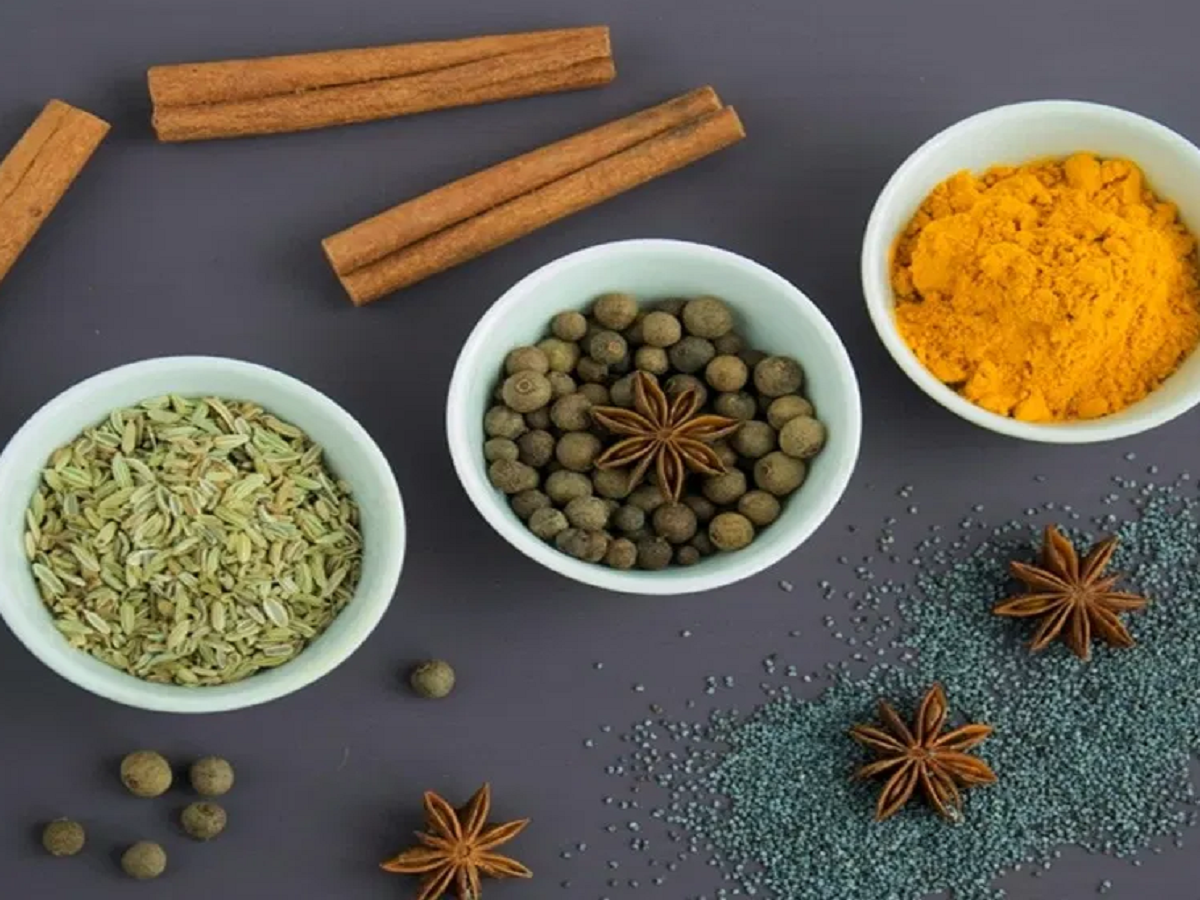
Dried herbs and spices are an essential part of everyday cooking, valued for their ability to enhance flavor, aroma, and color. While they do not spoil in the same way as fresh foods, they are not immune to aging. Over time, spices gradually lose their potency, making it important to understand their shelf life and proper storage methods.
Shelf Life of Common Herbs and Spices
The longevity of spices largely depends on their type, how they are processed, and the conditions in which they are stored. In general, whole spices last longer than ground varieties, while dried herbs have a shorter shelf life.
Dried herbs (1–3 years):
Basil, oregano, rosemary, bay leaves, parsley, and mint typically retain their quality for one to three years.
Ground spices (2–3 years):
Powdered forms such as ginger, garlic, cinnamon, red chilli, turmeric, cardamom, paprika, and red pepper flakes usually last two to three years.
Whole spices (2–4 years):
Whole spices like coriander seeds, mustard seeds, fennel, cumin, nutmeg, cloves, cinnamon sticks, dried red chillies, and lemongrass can remain usable for up to four years due to reduced exposure to air and moisture.
Do Spices Really Expire?
Spices do not “expire” in the traditional sense of becoming unsafe to consume. However, they do deteriorate over time. Prolonged storage leads to a gradual loss of flavor, aroma, and color. For optimal taste, many experts recommend using dried herbs and spices within 6 to 12 months.
A simple way to test freshness at home is to rub a small amount of the spice between your fingers. If the aroma is faint or absent, the spice has likely lost much of its potency.
Why Do Spices Lose Quality?
The primary factors that degrade spices are exposure to air, light, heat, and moisture. These elements break down essential oils responsible for flavor and aroma, causing spices to become dull and less effective in cooking.
Tips for Proper Storage
Use airtight containers:
Store spices in tightly sealed containers to prevent exposure to air and moisture. Glass jars are ideal, while stainless steel or tin containers are also suitable.
Choose the right location:
Keep spices in a cool, dry, and dark place, such as a cupboard away from direct sunlight and heat sources like stoves.
Avoid refrigeration:
Refrigerating dried herbs and spices is generally not recommended, as moisture can reduce their flavor and aroma.