LIFESTYLE
Don't be misled by the name of tea, FSSAI issues strict order, ban on herbal tea, not every tea is tea
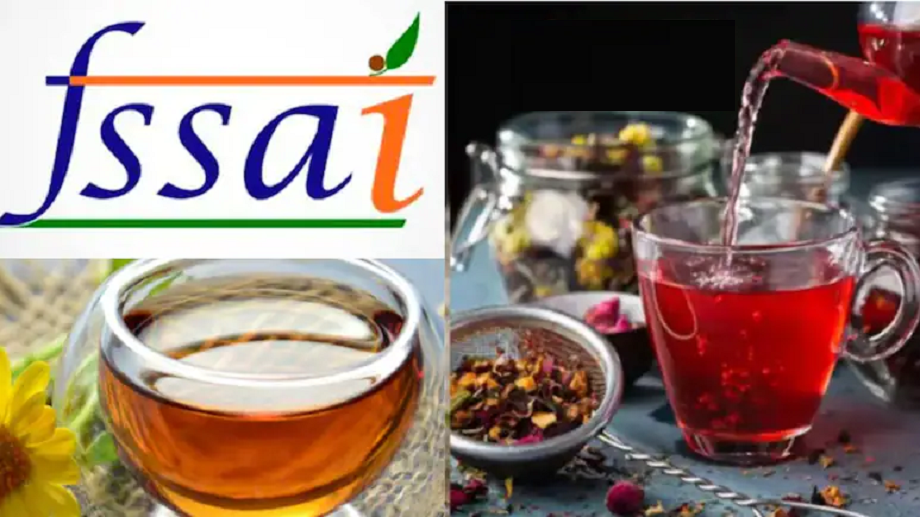
FSSAI Banned Herbal Tea: The FSSAI has clarified that tea is only made from the Camellia sinensis plant. Furthermore, calling a beverage made from any other plant, flower, herb, or leaf tea is considered incorrect, misleading, and a legal offense.
Herbal Tea Rules India: In India, tea is not just a drink, but a habit, an emotion, and the beginning of the day. From the first sip in the morning to the evening's fatigue-relieving tea, tea is present in every household. But, have you ever wondered whether the herbal tea, flower tea, or rooibos tea you are drinking is actually tea or just a name? Now, the country's food regulator FSSAI (Food Safety and Standards Authority of India) has clearly answered this question. FSSAI has clarified that only that tea will be called tea which is made from the Camellia sinensis plant. Apart from this, calling a drink made from any other plant, flower, herb, or leaf as tea will be considered wrong, misleading, and a legal offense.
Why did FSSAI have to issue this clarification?
In its official clarification issued on December 24, 2025, FSSAI said that it has come to its notice that many Food Business Operators (FBOs) are selling products which are not made from Camellia sinensis, but are being marketed as herbal tea, flower tea or natural tea.
The market for wellness and health drinks has grown rapidly, and the use of the word "tea" has become a marketing tool. This is confusing consumers and making them think that all tea is real tea.
What does the law say about the definition of tea?
FSSAI clarified that the definition of tea is not new. It is already established under the Food Safety and Standards Regulations that:
- Black Tea
- Green Tea
- Kangra Tea
- Instant tea (solid form)
The source of all these should be only and only Camellia sinensis plant.
If a product is not made from this plant, it is not legally tea, no matter how much its taste, color, or method resembles tea.
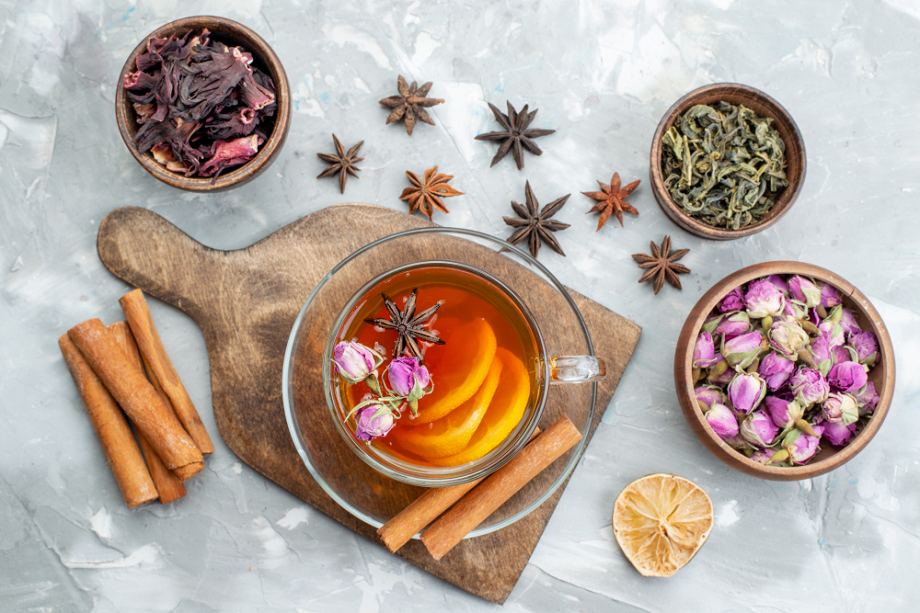
What will be the effect on herbal tea, flower tea and rooibos tea?
According to FSSAI, products like herbal tea, flower tea, and rooibos tea do not qualify as tea; calling them tea is misbranding. Such products will fall under the Proprietary Food or Non-Specified Food Rules, 2017. This means that these products cannot be sold without removing the word "tea" from their names.
Strictness regarding packaging and labeling
Citing the Food Safety and Standards (Labelling and Display) Regulations, 2020, FSSAI said that the correct and original name of the product should be clearly written on the front of every packet.
If there is no tea inside the packet, then writing 'T' on the outside is misleading the consumer.
To whom will this rule apply?
This directive is not limited to tea companies. FSSAI has clarified that this rule will apply:
- Manufacturers
- Sellers
- Importers
- Packers
- E-commerce platforms (Amazon, Flipkart, etc.)
Everyone must ensure that the word tea is not used on any product not made from Camellia sinensis.
What action will be taken for breaking the rules?
FSSAI has warned that violations of these regulations could result in heavy fines, product sales bans, license cancellations, and legal action under the Food Safety and Standards Act of 2006. Food safety officers in states and union territories will monitor strict compliance with this order.
Now, if you buy an herbal drink, it will be sold by its original name, not as tea. It's the truth, not the name that matters.
Disclaimer: This content, including advice, provides general information only. It is in no way a substitute for qualified medical opinion. Always consult a specialist or your doctor for more information. NewsCrab does not claim responsibility for this information.
PC : NDTVINDIA