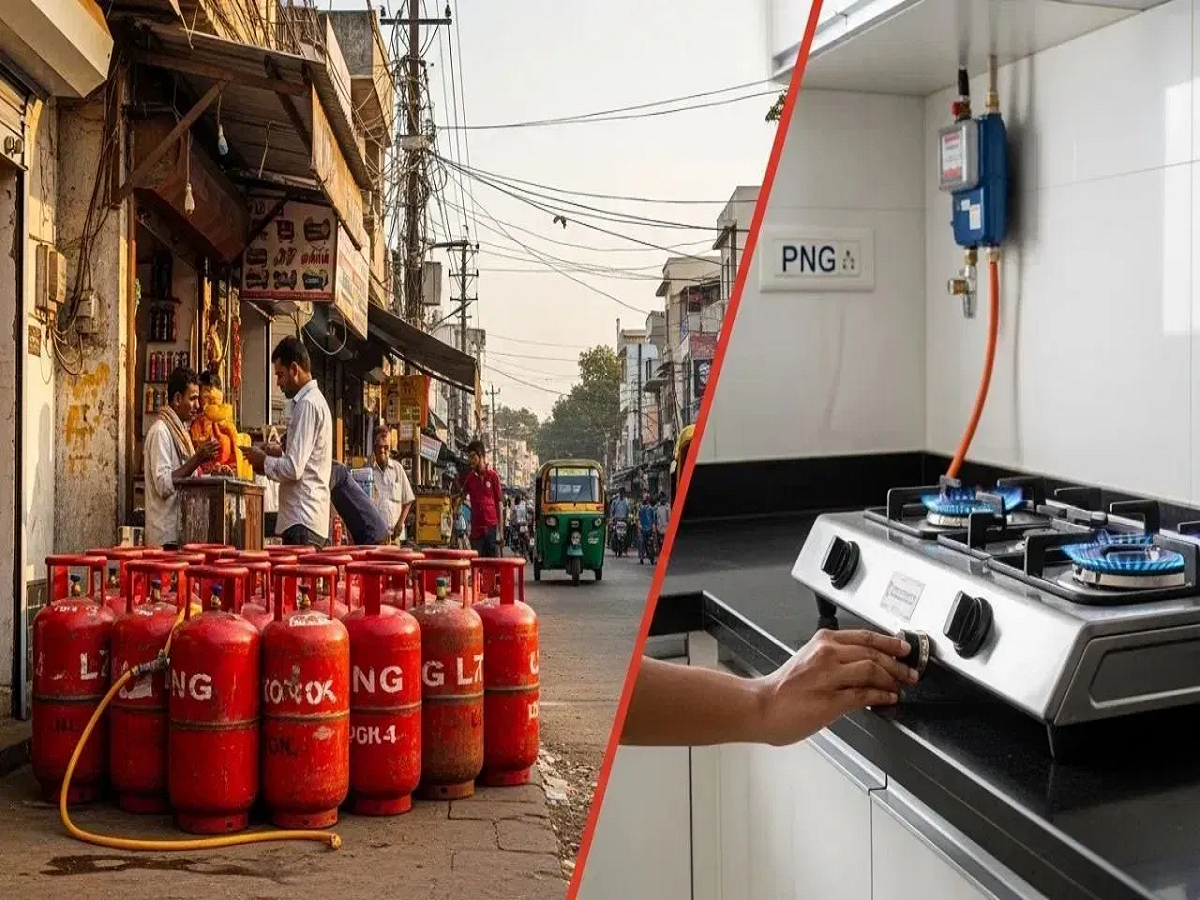
In a significant move to address rising demand for domestic cooking gas, the Ministry of Petroleum and Natural Gas has directed states to fast-track approvals for Piped Natural Gas (PNG) connections, aiming to reduce dependence on LPG cylinders.
Under the new directive, states have been asked to approve pipeline installation applications within 24 hours and clear all pending cases without delay. The Centre has also recommended waiving road restoration charges, which are typically levied after digging roads for pipeline installation. Additionally, each state will appoint a nodal officer to ensure smooth coordination and prevent administrative delays.
Focus on Reducing LPG Pressure
The government’s initiative comes amid increasing pressure on LPG supplies. Officials have clarified that while petrol and diesel availability remains stable, LPG demand has surged, though no distributor has reported a complete shortage. Domestic supply continues uninterrupted.
Crackdown on Black Marketing
Authorities have intensified action against illegal activities. Enforcement teams have conducted large-scale raids across the country to curb black marketing of LPG cylinders.
-
Around 600 cylinders were seized in Delhi
-
10 arrests were made in Uttar Pradesh
-
Extensive action reported in Jammu and Kashmir, Kerala, and Madhya Pradesh
According to officials, nearly 12,000 raids have been conducted nationwide, leading to the seizure of approximately 15,000 cylinders. Oil marketing companies are also carrying out regular inspections. Citizens have been advised to avoid panic booking and use online booking systems.
Alternative Fuel Measures
To ease LPG demand, several states—including Bihar, Chhattisgarh, Gujarat, Tamil Nadu, Karnataka, and others—have issued orders to increase kerosene allocation. A high-level committee is also reviewing supply challenges, while alternatives like coal are being promoted in certain sectors.
The government’s push for PNG expansion signals a long-term shift toward more reliable and continuous gas supply systems, aiming to reduce dependency on cylinders and improve energy accessibility across households.