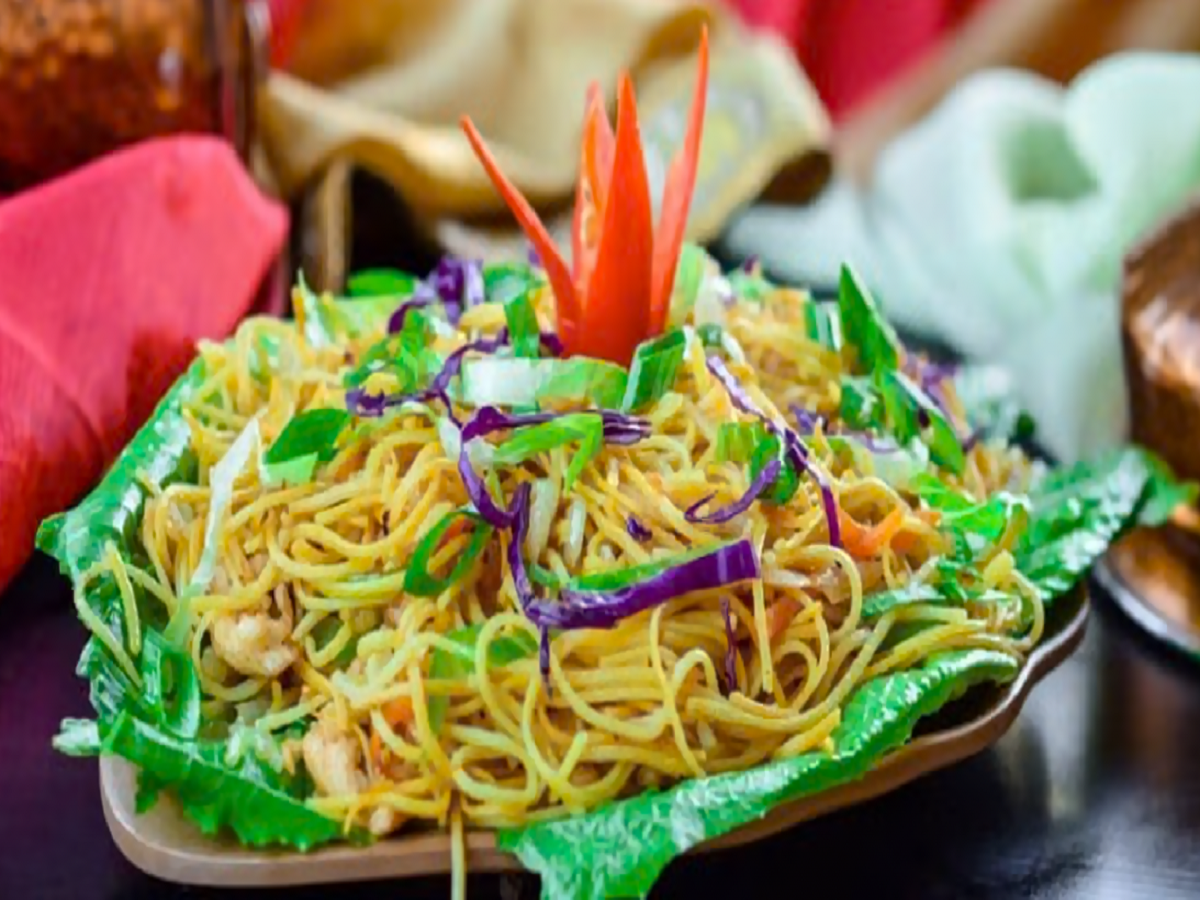
From instant noodles and pasta to macaroni and homemade noodle dishes, these foods have become popular among people of all ages. They are affordable, easy to prepare and delicious, making them a convenient option for busy days. However, eating them too frequently without maintaining a balanced diet may affect your overall health.
Many noodles are made from refined wheat flour, which contains less fibre and fewer nutrients than whole-grain alternatives. Instant noodles can also contain considerable amounts of sodium and fat, depending on the product and preparation method.
So, can eating noodles regularly affect your digestion, weight and blood sugar levels? Here are five potential health concerns to understand.
1. Digestive Problems and Constipation
One of the biggest concerns with frequently eating refined-flour products is their low fibre content. Dietary fibre supports healthy bowel movements and helps maintain normal digestive function.
If noodles replace fibre-rich foods such as vegetables, fruits, pulses and whole grains in your diet, you may experience constipation, bloating or irregular bowel movements.
However, noodles do not automatically cause digestive problems in everyone. The overall composition of your diet and your individual digestive health also play important roles.
What can you do? Add vegetables, beans, peas or other fibre-rich ingredients to your noodles. Drink enough water and include a variety of whole foods in your daily meals.
2. Unwanted Weight Gain
Noodles can be part of a balanced diet, but the way they are prepared and the portion size matter.
Large servings, excess oil, creamy sauces and high-calorie toppings can increase the total energy content of a noodle dish. In addition, meals that are low in protein and fibre may not keep you feeling full for as long as balanced meals.
Consistently consuming more calories than your body uses can lead to weight gain over time.
What can you do? Pay attention to portion sizes and include protein sources such as paneer, tofu, eggs or beans, along with vegetables. This can make your meal more filling and nutritionally balanced.
3. Blood Sugar Spikes and Insulin Resistance
Refined-flour noodles generally contain less fibre than whole-grain alternatives. Depending on the type of noodles, portion size and accompanying ingredients, they can raise blood glucose levels after a meal.
When blood glucose rises, the body releases insulin to help move glucose into cells. Repeatedly eating a diet dominated by refined carbohydrates, particularly alongside excess calorie intake and low physical activity, may contribute to a higher risk of metabolic problems.
However, eating noodles occasionally does not automatically cause insulin resistance. The risk depends on several factors, including overall diet, physical activity, body weight and genetics.
What can you do? Choose whole-grain noodles when available, control portions and combine carbohydrates with protein, healthy fats and vegetables to make meals more balanced.
4. Excessive Sodium Intake From Instant Noodles
Instant noodles deserve particular attention because their seasoning packets can contain substantial amounts of sodium. Consuming too much sodium regularly can contribute to high blood pressure, increasing the risk of cardiovascular and kidney-related complications.
The sodium content varies considerably between brands and flavours, so checking the nutrition label is important.
What can you do? Use less of the seasoning packet, add fresh herbs and spices for flavour, and compare sodium levels when choosing products. Remember that the noodles themselves and other added sauces may also contribute sodium.
5. Possible Effects on Heart Health
Frequently eating meals high in sodium, excess calories and unhealthy fats may contribute to risk factors associated with cardiovascular disease.
A diet that relies heavily on refined-grain products while providing insufficient fibre, fruits, vegetables and other nutrient-rich foods may also make it harder to maintain healthy cholesterol levels, blood pressure and body weight.
Research has linked certain dietary patterns high in refined grains with adverse cardiovascular outcomes. However, this does not mean that noodles alone directly cause heart disease.
What can you do? Build your diet around a variety of whole grains, vegetables, fruits, pulses, nuts and appropriate protein sources. Limit excessive salt and saturated fat, and maintain regular physical activity.
Are Instant Noodles Worse Than Homemade Noodles?
Not necessarily. The nutritional value depends on the ingredients, preparation method and portion size.
Instant noodles are often high in sodium and may be low in fibre and protein. Homemade noodles can also be nutritionally limited if they are made with refined flour and served with little protein or vegetables.
For a healthier option, choose whole-grain noodles where possible, add plenty of vegetables, include a protein source and avoid using excessive oil or salty sauces.
How Often Can You Eat Noodles?
There is no universal frequency that is safe or unsafe for everyone. Eating noodles occasionally as part of a balanced diet is generally different from relying on instant noodles for several meals every week.
The key is to avoid allowing convenient, refined-flour foods to replace the variety of nutrients your body needs.
Final Takeaway
Noodles are not inherently unhealthy, but frequent consumption of nutritionally unbalanced noodle meals can contribute to low fibre intake, excessive sodium consumption and difficulties managing calorie intake.
Rather than eliminating noodles completely, focus on how you prepare them, what you eat alongside them and how frequently they appear in your diet. Small changes, such as adding vegetables, including protein and reducing salty seasonings, can make your favourite meal more nutritious.
Disclaimer: This article provides general nutritional information and is not a substitute for personalised medical advice. People with diabetes, high blood pressure or kidney disease may need individual dietary guidance.