LIFESTYLE
He Sold Everything and Travelled 1,200 Miles for Love, Only to Discover His Dream Girlfriend Was AI-Generated
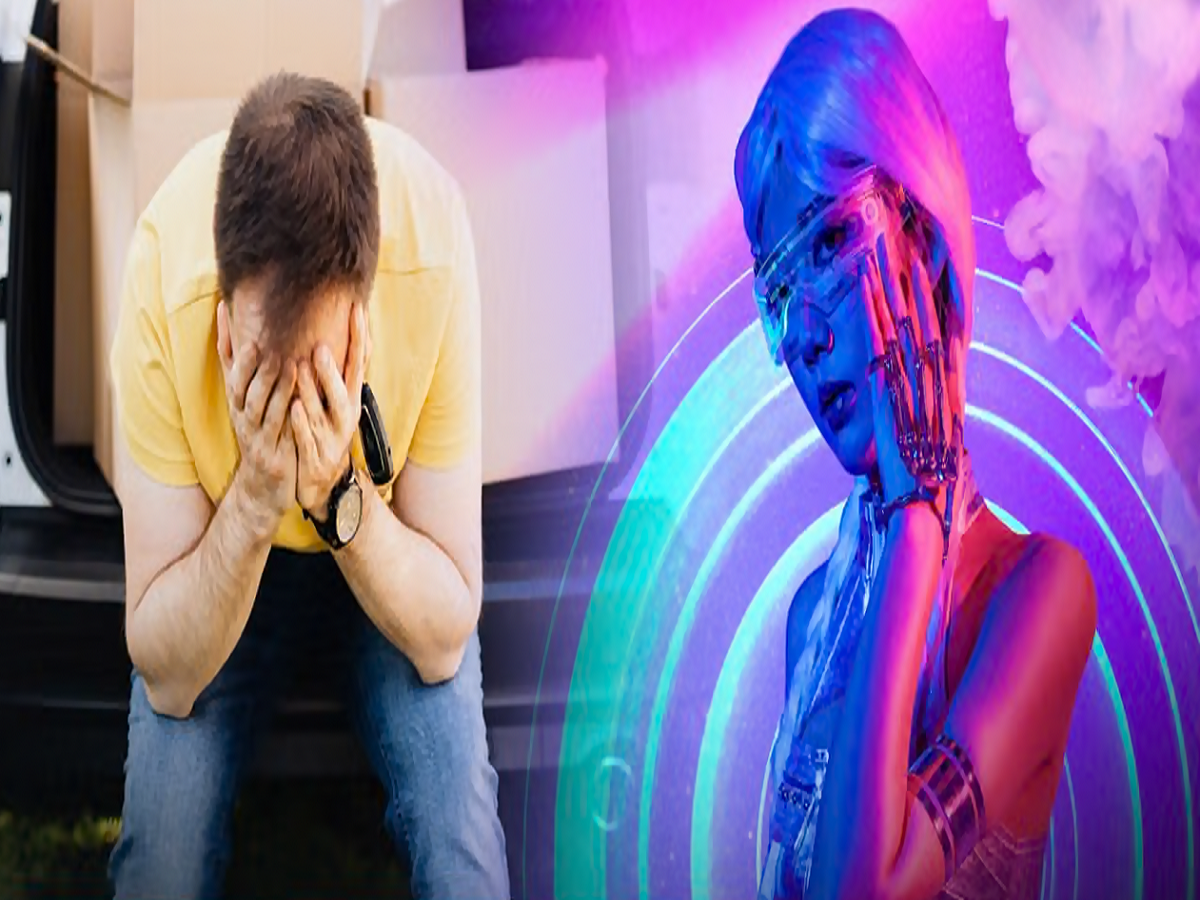
Imagine falling in love with someone online, making enormous sacrifices to meet them, and travelling hundreds of miles with dreams of building a future together, only to discover that the person you love does not exist. This is the heartbreaking experience of a 49-year-old Brazilian man whose search for love ended in an unexpected encounter with artificial intelligence.
Edymar Martins, a mason from Maranhão in northeastern Brazil, believed he had found his life partner through social media. After investing his emotions and money in the relationship, he decided to travel to Belo Horizonte to meet the woman he believed was waiting for him. Instead, he discovered that his online girlfriend was an AI-generated character.
He Sold His Belongings to Meet His Online Girlfriend
Martins reportedly discovered the social media profile of a woman named Jessica Oliveira in 2020. Believing she was a real person, he gradually developed feelings for her and began imagining a future together.
His attachment eventually led him to make a life-changing decision. On October 9, he reportedly sold everything he owned to finance a bus journey to Belo Horizonte, the capital of Brazil's Minas Gerais state.
He arrived on October 11, hoping to meet the woman he considered his future partner. The journey represented far more than a trip for him; it was an attempt to turn an online relationship into a real-life romance.
However, his hopes were soon shattered when he could not find the woman anywhere.
A Radio Station Revealed the Shocking Truth
Unable to locate Jessica, Martins approached a local radio station for assistance. He hoped someone could help him find the woman whose social media profile had captured his heart.
Instead, he received devastating news: the woman he was searching for was not a real person.
Martins reportedly said he was told that the story was fake and that the woman did not exist. The revelation left him devastated, particularly because he had sold his belongings and spent his money travelling to meet her.
For someone who had invested so much emotionally and financially, discovering that the relationship was built around an artificial identity was a painful experience.
Who Was the Woman He Fell in Love With?
The online persona was associated with a TikTok account called @JessicaFazendeira, which reportedly had nearly 300,000 followers.
Videos on the account featured a digitally created woman who portrayed herself as someone looking for a partner to live with her on a farm. In one video that was later deleted, the character reportedly described wanting a man to share her life with and suggested that she would provide financial support.
Such content could create the impression that the woman was a genuine person looking for a serious relationship.
However, the character was reportedly generated using artificial intelligence rather than representing a real woman.
The Account's Creator Denied Having a Personal Relationship With Him
After the incident attracted attention, the person behind the social media account addressed the controversy and acknowledged that the character was AI-generated.
The account's creator reportedly denied having spoken directly with Martins or personally inviting him to Belo Horizonte. According to the explanation given, the account was intended to generate sales leads rather than establish personal relationships.
The creator's statements highlighted the difference between an online character's public videos and the private relationship a viewer might imagine exists behind them.
For Martins, however, the distinction came too late. He had already travelled a considerable distance, spent his savings and sacrificed his possessions in the belief that he would finally meet someone he loved.
He Sought Help After Running Out of Money
After failing to find the woman, Martins reportedly ran out of money and approached Belo Horizonte's city authorities for assistance.
He explained to a social worker that he had travelled in search of companionship because he was tired of being alone. Authorities reportedly helped arrange his return home.
The incident had left him facing not only emotional disappointment but also financial difficulties after selling his belongings to fund the journey.
His experience demonstrates how online identities can have serious real-world consequences when people place their trust in profiles they have never independently verified.
Despite the Heartbreak, He Has Not Given Up on Love
Despite the painful experience, Martins has reportedly maintained hope that he will eventually find a genuine partner.
He was staying with a family member after the incident and expressed his desire to return to Belo Horizonte in the future in the hope of meeting someone with whom he could build a life.
His determination to continue looking for love shows how important companionship can be, even after a deeply disappointing experience.
The Growing Risks of AI-Generated Online Identities
Artificial intelligence has made it increasingly easy to create realistic-looking faces, videos, voices and online personalities. While these technologies have legitimate uses in entertainment and business, they can also make it difficult for social media users to distinguish between real people and fabricated identities.
This incident highlights several important lessons for anyone forming relationships online:
-
Verify identities: Video calls and consistent, independently verifiable information can help establish whether someone is genuine.
-
Be cautious of emotional promises: Claims about marriage, financial support or a shared future should not be accepted without verification.
-
Avoid major financial sacrifices: Never sell possessions, borrow money or spend your savings to meet someone whose identity remains uncertain.
-
Look for warning signs: Inconsistent stories, pressure to make sudden decisions and requests for money deserve particular caution.
-
Remember that realistic videos can be artificial: AI-generated content can appear convincing, so visual appearance alone is not proof of authenticity.
Final Takeaway
Edymar Martins's experience is a painful reminder that online relationships can sometimes create powerful emotional connections with identities that do not represent real people.
Technology can help people connect across distances, but it can also blur the boundary between reality and fiction. Before making important personal or financial decisions based on an online relationship, taking time to verify the other person's identity can help prevent serious heartbreak and financial loss.
For Martins, the journey ended very differently from what he had imagined. Yet his hope of finding genuine companionship remains, serving as a reminder that while technology can imitate human appearances, trust and meaningful relationships require much more than a convincing digital image.