BUSINESS
Electricity Bill Relief: PM Surya Ghar Scheme Offers Rooftop Solar Subsidy of Up to ₹78,000—Check Eligibility and How to Apply
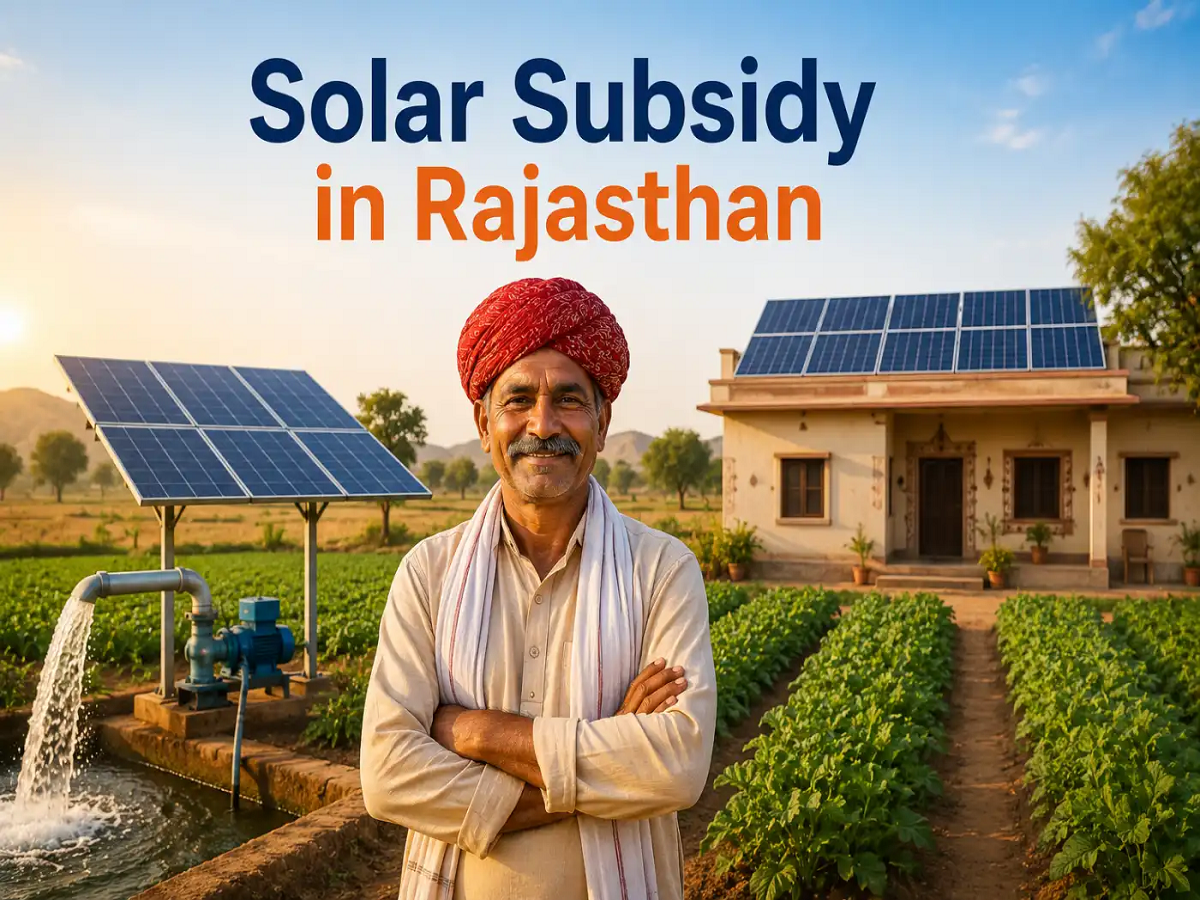
With electricity bills rising during periods of heavy air-conditioner use and other household consumption, rooftop solar panels are becoming an option for families looking to reduce their monthly expenses. The Government of India's PM Surya Ghar: Muft Bijli Yojana aims to make residential solar installations more affordable through financial assistance.
In an update published on August 4, 2026, the Ministry of New and Renewable Energy reported that the scheme had crossed 50 lakh beneficiary households. Nearly 19 lakh households had reported receiving zero electricity bills during at least one billing period after installing rooftop solar systems. Actual savings depend on electricity consumption, solar generation and the household's usage patterns. <Cite refs={["turn489448search1"]}/>
What Is the PM Surya Ghar Scheme?
Launched in February 2024, PM Surya Ghar: Muft Bijli Yojana encourages households to install solar panels on their rooftops. The scheme has a target of supporting rooftop solar installations in one crore residential households.
The programme aims to help households reduce their dependence on electricity purchased from the grid while promoting renewable energy.
An important point to understand is that the scheme does not automatically make every household's electricity free. The savings depend on the capacity of the solar system, the electricity consumed and the applicable billing arrangements.
How Much Subsidy Can You Receive?
Eligible residential consumers can receive central financial assistance for rooftop solar installations, subject to the scheme's conditions.
For general states, the standard central subsidy structure is:
| Rooftop solar capacity | Central subsidy |
|---|---|
| 1 kW | ₹30,000 |
| 2 kW | ₹60,000 |
| 3 kW or above | Up to ₹78,000 |
Different subsidy rates may apply in special-category states and regions. The final amount depends on the applicable guidelines and the installed system's eligible capacity.
The subsidy is intended to reduce the upfront cost of installation. Households should compare the total quotation, equipment quality, installation charges and expected electricity savings before deciding how much capacity to install.
Who Can Apply for the Scheme?
The scheme is intended for residential electricity consumers who meet the prescribed requirements.
Generally, applicants should have:
-
A residential electricity connection with the local distribution company (DISCOM).
-
A suitable rooftop or other eligible installation space.
-
A grid-connected rooftop solar system installed according to the scheme's technical requirements.
-
An installation arranged through the prescribed process and eligible vendor network.
Commercial and industrial electricity consumers are not eligible for the residential subsidy under this scheme. Applicants should check the official portal for the complete eligibility criteria before purchasing equipment.
How to Apply for PM Surya Ghar Online
The application process begins on the scheme's official national portal.
-
Register using your state, electricity distribution company and consumer account details.
-
Submit the rooftop solar application and wait for the required feasibility approval, where applicable.
-
Select a registered vendor through the portal and arrange installation.
-
Complete the required inspection, metering and commissioning procedures.
-
Submit the bank account details and other documents requested for subsidy processing.
The subsidy is generally transferred to the beneficiary's bank account after the required installation and verification procedures are completed. Keep your application reference, electricity consumer details and installation documents safe.
Can You Get a Zero Electricity Bill?
Yes, some households have reported zero bills after installing rooftop solar systems under the scheme. However, this is not guaranteed for every consumer.
The outcome depends on factors such as:
-
The amount of electricity generated by the solar panels.
-
The household's monthly electricity consumption.
-
Available sunlight and rooftop conditions.
-
Electricity import, export and net-metering rules applicable in the state.
-
Fixed charges and other components of the electricity bill.
For example, a household that generates enough solar electricity to offset most of its consumption may see a substantial reduction in its bill. However, fixed charges or electricity consumed beyond the system's output may still result in an amount payable.
Is Financing Available for Rooftop Solar?
The government has also highlighted concessional financing measures to make installations more affordable. An official update dated July 28, 2026, described collateral-free loans through nationalised banks at a concessional interest rate, with the reported rate at that time being 5.75% per annum and a tenure of up to 10 years. Actual loan availability, rates and terms should be confirmed with the participating bank. <Cite refs={["turn489448search2"]}/>
Before taking a loan, calculate the monthly repayment alongside the expected reduction in your electricity bill. Savings vary from household to household, so a solar installation should not be assumed to pay for itself within a fixed period.
Important Precautions Before Installing Solar Panels
To avoid unnecessary costs or fraud, remember these points:
-
Apply through the official government portal.
-
Choose a vendor listed through the prescribed scheme process.
-
Ask for a written quotation covering panels, inverter, installation and other charges.
-
Check the warranty, equipment specifications and after-sales service.
-
Do not believe claims that every household is guaranteed completely free electricity.
-
Never share your banking PIN or OTP with someone claiming to release your subsidy.
Where Can You Get Official Information?
For eligibility, application status, registered vendors and the latest subsidy rules, visit the official PM Surya Ghar portal at https://www.pmsuryaghar.gov.in/.
You can also check announcements from the Ministry of New and Renewable Energy at https://mnre.gov.in/ and the Press Information Bureau at https://www.pib.gov.in/.
Final Words
PM Surya Ghar: Muft Bijli Yojana offers eligible households a way to lower the cost of rooftop solar installation through government subsidy support. With more than 50 lakh households reported to have benefited by August 2026, the programme has become an important option for residential consumers considering solar energy. <Cite refs={["turn489448search1"]}/>
Before applying, compare installation costs, assess your household's electricity usage and verify the latest scheme requirements. A well-planned system can reduce electricity expenses over time, but the actual benefit depends on the home's energy needs and the quality of the installation.