BUSINESS
EPFO Update: Planning to Withdraw Your PF Money? Know These Important Rules Before Making a Claim
The Employees' Provident Fund (EPF) is one of the most important retirement savings schemes for salaried employees in India. Every month, a portion of an employee's salary is deposited into the provident fund account, while the employer also makes a contribution. Over time, these savings accumulate with interest and can provide financial support after retirement.
However, many employees are unsure about when they can withdraw their PF money, how much they are eligible to receive and whether tax will be deducted. Understanding the withdrawal rules is important, particularly for people changing jobs or facing financial emergencies.
1. Can You Withdraw Your Entire PF Balance After Leaving a Job?
Employees who leave their jobs often wonder whether they can immediately withdraw their entire provident fund balance.
Under EPFO rules, complete withdrawal is generally permitted in specified circumstances, including retirement and certain periods of unemployment. Employees who remain unemployed for at least one month can withdraw up to 75% of their eligible EPF balance under the applicable provisions. The remaining amount can generally be withdrawn after two months of unemployment.
However, employees who change jobs are generally advised to transfer their existing PF balance to their new employer-linked account rather than withdraw it. This helps maintain retirement savings and preserves continuity of service for relevant benefits.
2. PF Withdrawal Is Also Allowed for Specific Needs
EPFO allows eligible members to make partial withdrawals for certain purposes without closing their provident fund accounts.
These include:
-
Medical treatment for the member or eligible family members.
-
Marriage of the member or eligible children and siblings.
-
Education expenses for eligible children.
-
Purchase or construction of a house, subject to prescribed conditions.
-
Repayment of a housing loan, subject to eligibility requirements.
The amount that can be withdrawn depends on the purpose, membership period and applicable EPFO conditions.
3. How Can You Withdraw PF Online?
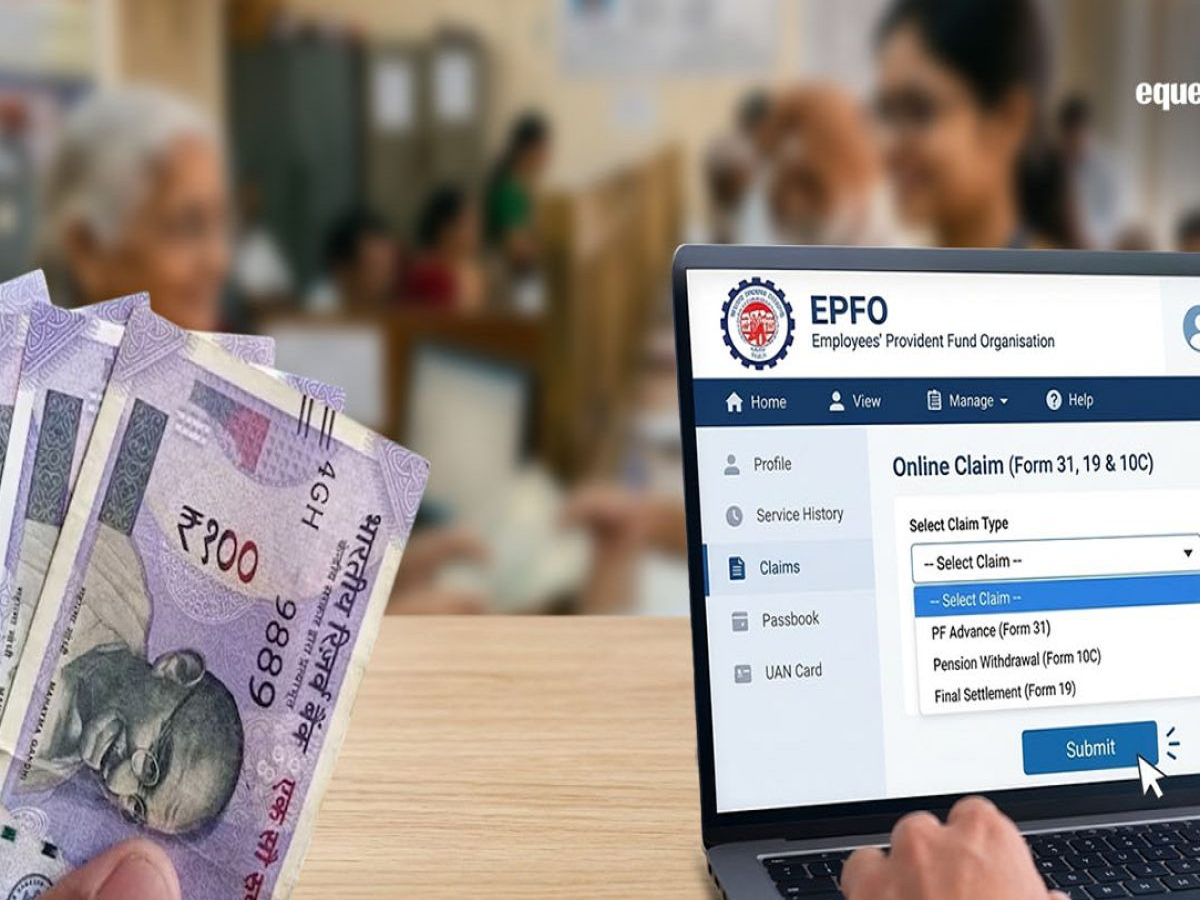
Employees with an activated Universal Account Number (UAN) can submit eligible withdrawal claims online through the EPFO member portal.
The general process involves logging into the UAN Member e-Sewa portal, checking that personal and bank details are correct, and selecting the relevant online claim option.
Members must also ensure that their Aadhaar, bank account and other required KYC details are properly updated and verified. Depending on the type of claim, additional information or documents may be required.
4. Will You Have to Pay Tax on PF Withdrawal?
PF withdrawal can have tax implications depending on the employee's total period of continuous service and the circumstances of withdrawal.
Generally, withdrawal of accumulated EPF money after completing five years of continuous service is tax-exempt, subject to applicable provisions.
If an employee withdraws the accumulated balance before completing five years of continuous service, the amount may become taxable. Certain exceptions apply, including situations involving termination due to ill health or closure of the employer's business.
TDS may also apply when the withdrawal amount crosses the prescribed threshold and the relevant conditions are met. Employees should therefore check the tax treatment before submitting a claim.
5. Why Is Transferring PF Better When Changing Jobs?
Withdrawing PF every time an employee changes jobs can interrupt long-term retirement savings. Transferring the balance to the new employer-linked account allows the money to continue accumulating interest.
It can also help maintain continuity of service, which is important for determining eligibility for certain tax and retirement benefits.
Employees should ensure that their UAN remains linked to their employment records and that the previous PF account is properly transferred.
What Should Employees Remember?
Before withdrawing PF money, employees should identify the purpose of the withdrawal and check their eligibility under the applicable EPFO rules. Partial withdrawal may be sufficient for an immediate financial requirement, while transferring the balance may be more beneficial when moving to another job.
Since provident fund savings are designed to support long-term financial security, withdrawing the money without understanding the rules could affect future retirement planning.